Why Wendy’s is struggling in US burger market and has become a potential takeover target for Nelson Peltz | Explained
Wendy’s is losing customers to rivals as sales fall, costs rise and its recovery plans face pressure. Nelson Peltz’s Trian Fund has now made a $1.4 billion offer to take the burger chain private, putting its future under fresh scrutiny.
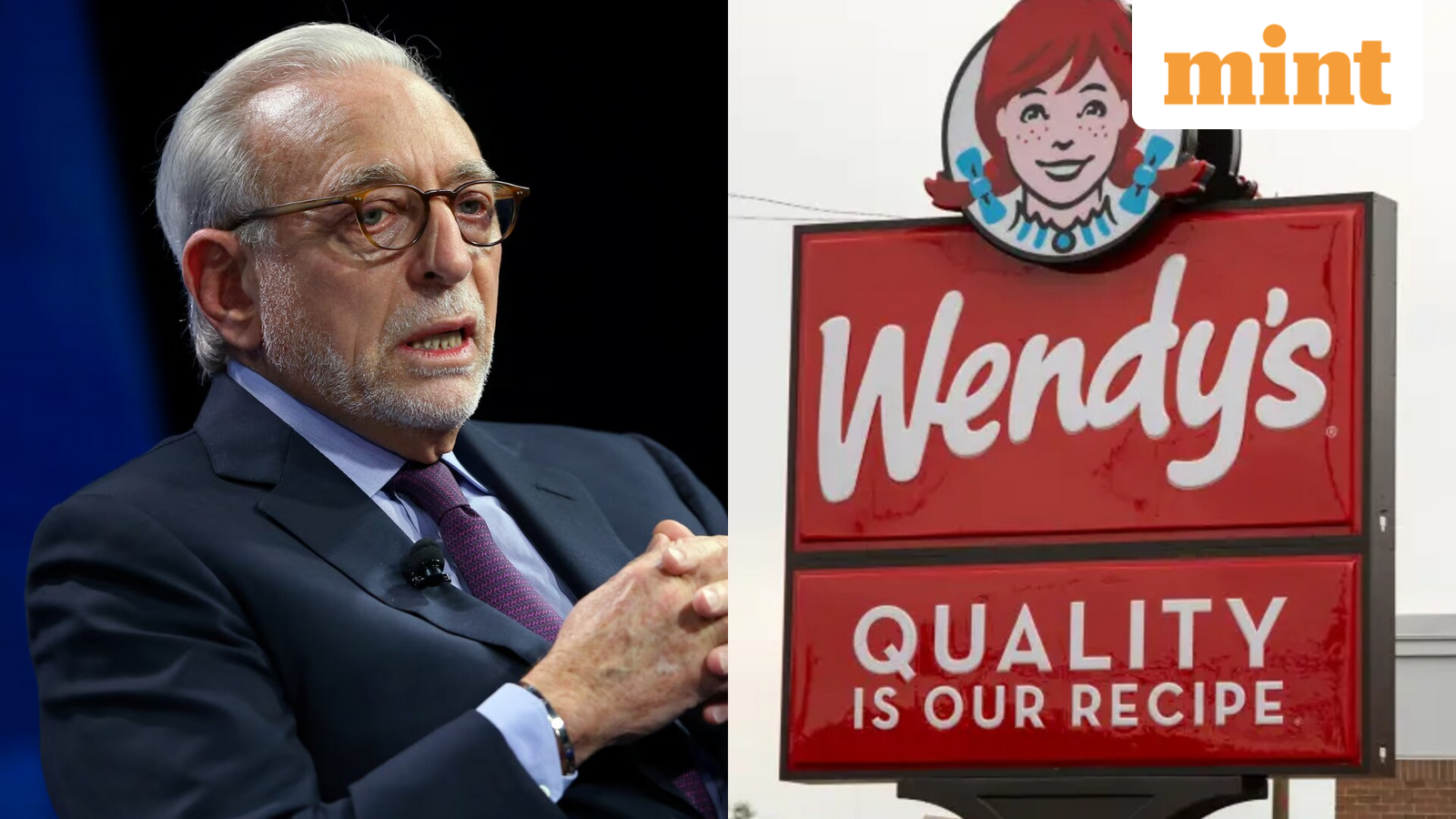
Wendy's, a once prominent player in the American burger industry, is currently facing substantial challenges that have led it to become an attractive target for acquisition. The fast-food chain, renowned for its square-shaped burgers and Frosty desserts, has struggled to keep up with competitors such as McDonald's and Burger King. This struggle has caught the attention of billionaire investor Nelson Peltz, whose firm, Trian Fund Management, along with other partners, has made an aggressive bid to take Wendy's private.
The unsolicited and non-binding proposal, presented by Peltz's investment group, is valued at approximately $1.4 billion and values the company at $7.35 per share in cash. However, this offer is not a completed takeover agreement, and Wendy's board has formed an independent committee to evaluate the proposal. There is no assurance that the deal will go through.
Wendy's has been grappling with declining sales, reduced customer traffic, rising food costs, and mounting pressure on its franchise business. The company's struggle to find a clear direction after multiple changes in its leadership has further exacerbated the situation. Founded in 1969 by Dave Thomas, Wendy's was once the second-largest burger chain in the US, behind McDonald's. However, it has since slipped behind Burger King, which has been working to enhance its restaurants and menu.
In its most recent reported quarter, sales at established US Wendy's restaurants fell by 7%, marking the sixth consecutive quarterly decline. Customer visits to the chain's US outlets dropped by 12.5%. The company is also facing pressure from rising costs, particularly the impact of increasing beef prices on its profits, as well as the effects of inflation on customers' spending habits.
Lower-income consumers, a crucial customer group for fast-food companies, have curtailed their restaurant spending due to price increases. Wendy's has also faced criticism regarding its value offerings and the overall quality of its restaurant experience. The company's recent promotions and new menu items have not met the expectations set by the management.
Wendy's CEO, Bob Wright, has admitted to the company's quality differentiation eroding and its value proposition weakening. He has also stated that the organization has not consistently delivered the customer experience Wendy's customers have come to expect. Trian Fund Management, which already holds a significant stake in Wendy's, around 16.3%, has made this aggressive bid alongside Flynn Group, BlueFive Capital, and Sixth Street Partners.
The group is offering $7.35 in cash for each share of Wendy's not already owned, representing a premium of nearly 19% over the company's closing share price on October 27. Peltz believes that giving Wendy's a private structure would allow its owners to concentrate on improving operations without the pressure of public-market investors and quarterly financial results.
Written by urgent.news from Live Mint's reporting — not their text. Machine-written — may contain errors; check the original before relying on it.