Why Sri Lanka’s recent blackout has lessons for India’s rooftop solar push
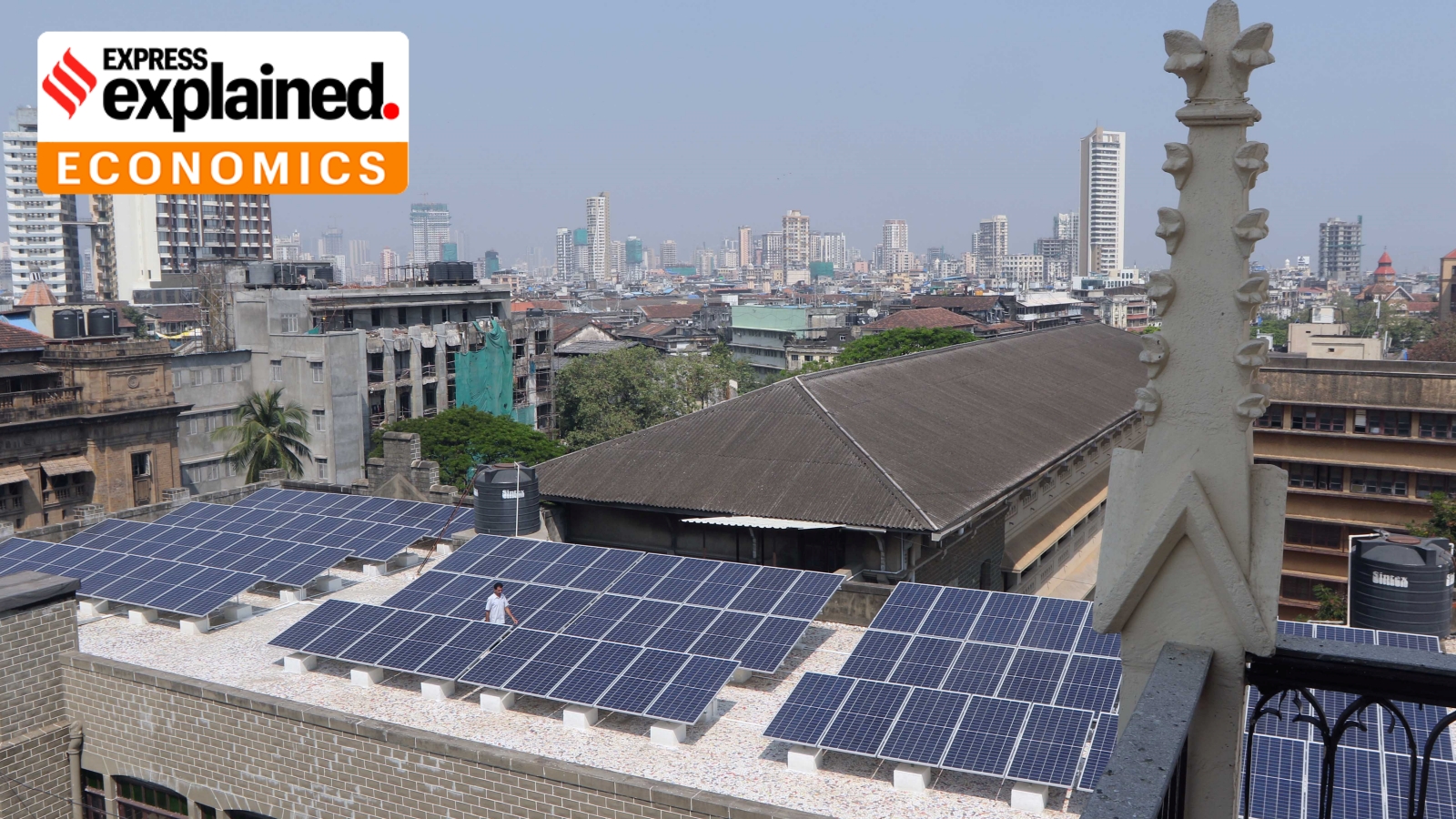
On October 17, Sri Lanka experienced a nationwide blackout that plunged 23 million people into darkness for over five hours. As authorities worked to restore power, the National System Operator (NSO) issued an unusual directive: rooftop solar operators were asked to switch off their systems. This incident has raised concerns about the integration of rooftop solar into power grids, a challenge that is also relevant for India.
Currently, India's rooftop solar capacity stands at 33.41 gigawatts. The blackout in Sri Lanka occurred due to a sudden loss of generation from non-dispatchable generation sources, such as rooftop solar and wind power, which cannot be easily controlled by grid operators. When these sources experience a sudden drop in output, it can cause a drop in grid frequency, potentially leading to a blackout.
In Sri Lanka's case, the frequency dropped from 49.906 Hz to 48.75 Hz within two seconds, suggesting that the rejection of non-dispatchable generation sources may have triggered the disturbance. This incident highlights the challenges India faces as it rapidly expands its rooftop solar capacity and the need for careful management to ensure grid stability.
Brief written by urgent.news from The Indian Express's own syndicated text. Machine-written — may contain errors; check the original before relying on it.