When dementia strikes a family — Hazwani Ahmad Yusof @ Hanafi
NOVEMBER 1 — Watching someone you love slowly lose their memory is an experience that stays with you. A familiar f...
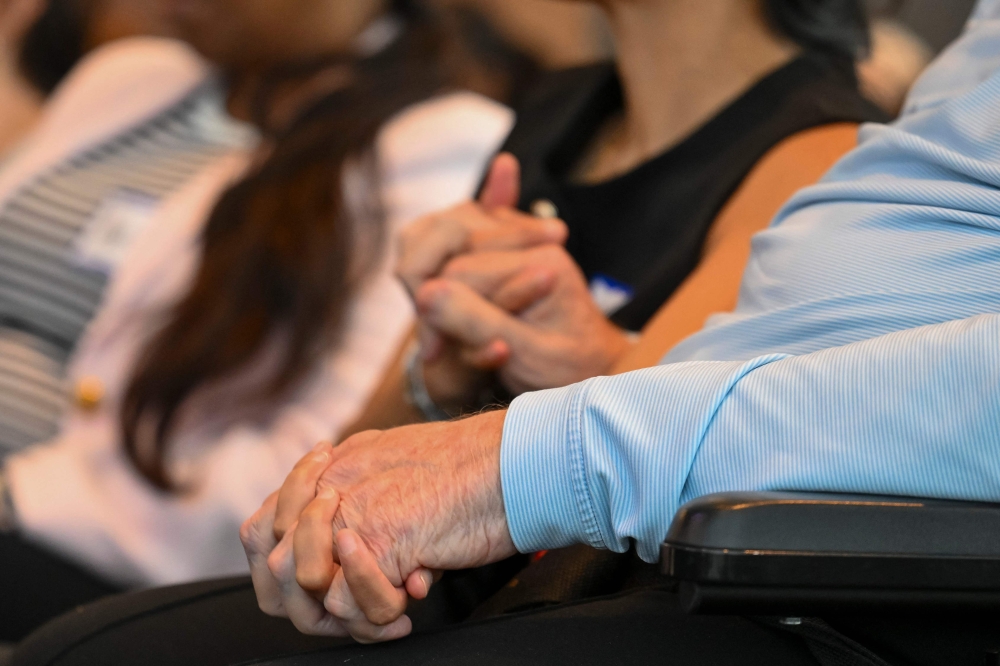
November 1 — Witnessing a loved one gradually lose their memory due to dementia is an experience that resonates deeply. Familiar faces can become challenging to recognize, and simple everyday tasks may grow increasingly perplexing. Conversations may require repetition, and family members must inevitably take on the role of full-time caregivers.
This is a reality I have personally witnessed in my family, as dementia has affected several members. Behind every individual living with dementia, there is often a family quietly striving to cope with the associated sadness, uncertainty, and emotional exhaustion. For caregivers, the greatest challenge often lies not in the physical demands but in witnessing their loved one's struggle to manage daily life independently.
These experiences lead me to ponder one critical question: Can we take proactive steps to safeguard brain health before memory problems become severe? Protecting the brain before problems begin
Dementia is not merely a natural consequence of aging. It is a condition that impacts memory, cognitive function, and the ability to perform daily activities. While there is currently no cure for most forms of dementia, there is growing scientific interest in identifying ways to support brain health and mitigate the risk of cognitive decline.
Exercise has emerged as a promising area of focus. Although commonly associated with stronger muscles, healthier hearts, and better weight management, physical activity may also play a crucial role in maintaining memory, concentration, and other thinking abilities as we age. Engaging in activities such as walking, cycling, and simple strengthening exercises may offer benefits that extend beyond physical fitness.
However, a crucial question remains: Why do some individuals benefit more from exercise than others?
As a researcher in exercise science and genetics, I am particularly interested in understanding the reasons behind individual variations in response to physical activities. Two people may follow the same exercise program but experience different outcomes. Factors such as age, health conditions, lifestyle, and genetic makeup can all influence how the body reacts to exercise.
Could these differences also affect the brain's response to exercise? This question has become a central focus of my research. Imagine a future where older adults receive personalized exercise recommendations based on their unique needs rather than adhering to a one-size-fits-all program. For some, regular walking may be an appropriate activity.
Others may benefit more from cycling, muscle-strengthening exercises, or challenges that engage both movement and mental acuity. The goal is not to discover a miracle cure but to enhance our understanding of how scientific insights can help individuals maintain their independence and quality of life for a longer period.
My interest in dementia stems from earlier studies supported by Malaysia’s Fundamental Research Grant Scheme (FRGS). My research team explored the relationship between genetics, exercise, and brain function, ultimately leading to a new research initiative called ExeCogim. This project aims to investigate whether genetic information can assist researchers in developing more personalized exercise approaches to support brain health among older adults.
Recently, ExeCogim received RM174,400 under the Ministry of Higher Education’s GET Transformative Phase II Grant 2026. This funding presents an important opportunity to explore how scientific findings might eventually translate into benefits for society. However, ExeCogim remains a research initiative, and further studies are necessary to determine whether personalized exercise programs based on genetic information offer meaningful advantages.
Scientific progress demands patience, rigorous testing, and reliable evidence. Addressing dementia requires the collaboration of researchers, healthcare professionals, caregivers, technology developers, and organizations supporting older adults. Crucially, public awareness is essential. We should promote healthy lifestyles, regular physical activity, and heightened attention to brain health as people age.
Persistent memory difficulties should be assessed by healthcare professionals rather than being dismissed as a normal part of aging. For families already caring for someone with dementia, understanding, patience, and emotional support are indispensable. My personal experiences with dementia among family members have only reinforced my resolve to seek better answers.
While I cannot alter the challenges my own family has faced, nor can I guarantee that our research will prevent dementia, these experiences have fueled my determination to uncover more effective solutions. Ultimately, growing older should not merely entail living longer. It should mean living well, preserving our independence, and safeguarding the cherished memories that bind us to the people we love.
Written by urgent.news from Malay Mail's reporting — not their text. Machine-written — may contain errors; check the original before relying on it.