Waze debate should lead to better security test for every app
LETTER: Think about how many applications we use every day. We rely on them to pay bills, order food, book rides, communicate with colleagues and access government services.
In today's digital age, we rely heavily on various applications for our daily tasks. From financial transactions to communication and government services, we willingly share our personal data due to the convenience these apps provide. However, this sharing of data raises concerns about privacy and security. As a Computer Science lecturer, I emphasize to my students that individual pieces of data may seem insignificant, but when combined, they can reveal detailed information about someone's life.
Security in software development cannot be determined solely by a company's name or origin. It requires thorough testing, including an examination of the data collected, its necessity, storage methods, accessibility, and the developer's response to issues. Navigation apps should also adhere to these stringent security standards.
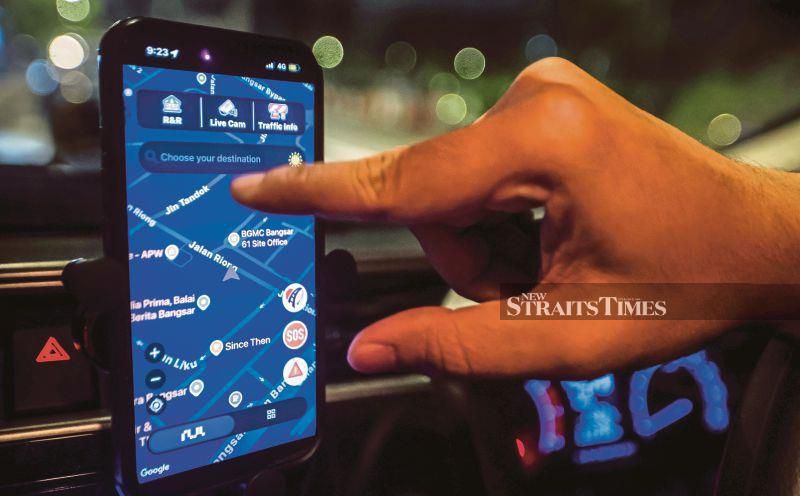
The Malaysian government has promoted alternatives like TuJu, a locally developed navigation app, as a way to support local technology. Nevertheless, this Malaysian app must meet the same security criteria as any international product.
The recent Waze debate exemplifies how such discussions can lead to more effective security tests for all apps. A government application handling confidential records should undergo more rigorous checks compared to a basic calculator app. Security practices evolve, and what is deemed secure today may need reassessment tomorrow. This is an inherent aspect of cybersecurity, rather than an indication of untrustworthy technology.
While we invest in teaching Malaysians digital skills and promoting digital literacy, it is equally crucial to understand what happens behind the screen. Many people use online banking, e-wallets, and shopping platforms without questioning why an application requires access to unrelated information. Digital literacy should encompass practical discussions about these everyday decisions.
The Waze debate might eventually fade from the headlines, but the questions it raises should remain relevant. We need a consistent approach to evaluate the technology we depend on, regardless of its origin. Malaysia should learn that digital trust cannot be built on popularity, nationality, or promises alone. It must be supported by evidence, rigorous testing, and accountability.
The most pressing question is not simply which app will guide us on the road, but whether we possess sufficient knowledge about the technology guiding our increasingly digital lives.
Written by urgent.news from New Straits Times's reporting — not their text. Machine-written — may contain errors; check the original before relying on it.