Voice cloning scams: How to protect yourself from audio deepfakes
Take these steps to avoid falling for phone scams, as sophisticated AI tools become cheaper and more accessible.
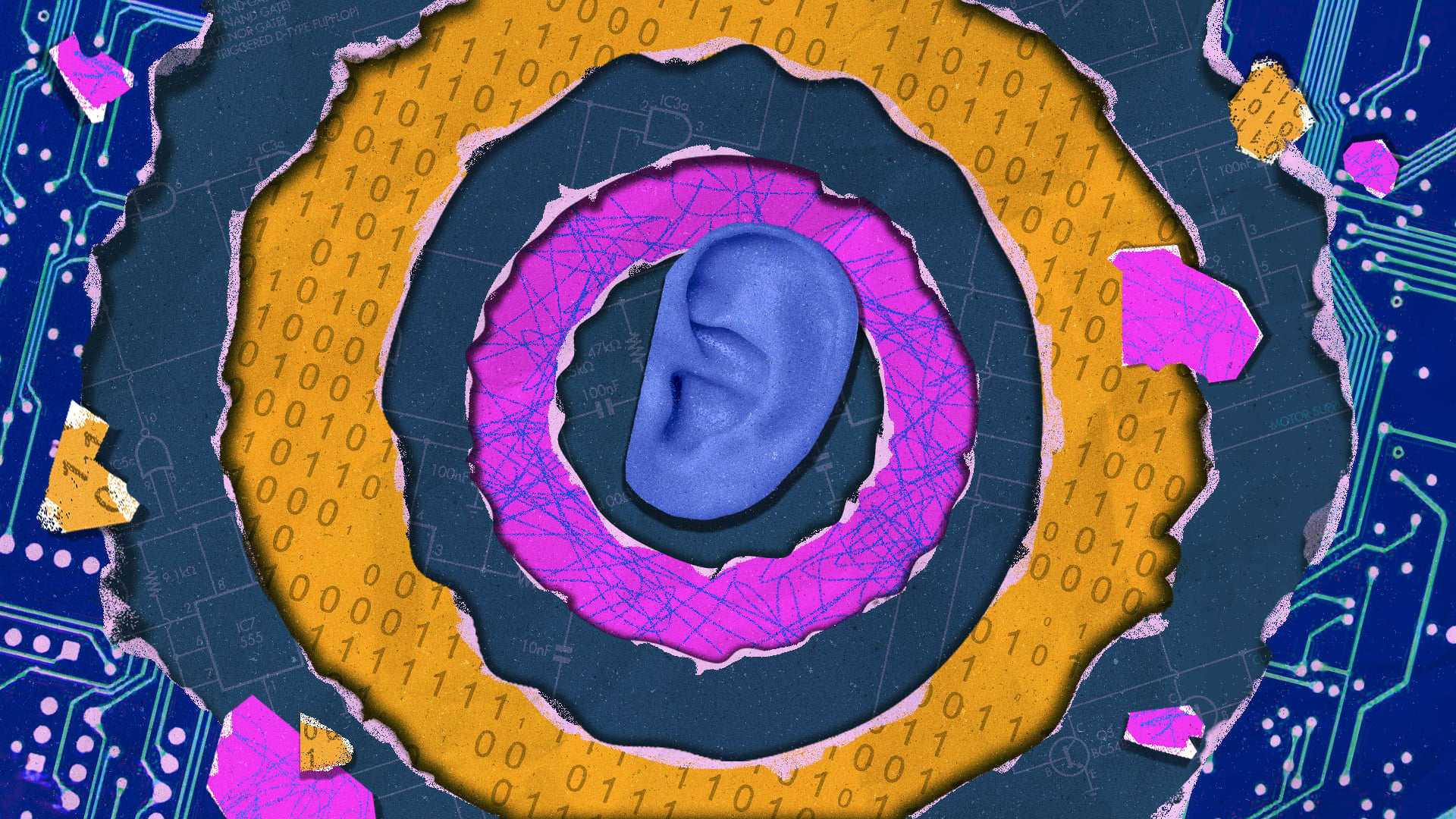
A new form of scam involves imitating the voices of loved ones to trick victims into providing personal information or money. These audio deepfakes are becoming more common as sophisticated AI tools become more accessible. Scammers can clone a voice with minimal effort and use it to impersonate family members, friends, or colleagues.
To protect yourself, be aware of the threat and have a plan. Save verified contact information for important callers and establish a code word with your loved ones to confirm identities. Be skeptical of requests for money, passwords, or sensitive information, and never share codes or sensitive data via phone. If you suspect a scam, hang up and call the caller back using a trusted contact number.
Written by urgent.news from Mashable's reporting — not their text. Machine-written — may contain errors; check the original before relying on it.
This story
This is one outlet's version. Read the fullest account.
- How to protect your business from digital banking scams and fraud techcentral.co.za