Upper West GJA Awards: Stakeholders call for improved media welfare, ethical standards
The second edition of the Upper West Regional Ghana Journalists Association (GJA) Awards concluded in Wa with a resounding call from media leaders, traditional rulers and corporate partners to prioritise the welfare, sustainability and ethical standards of journalists operating in the region.
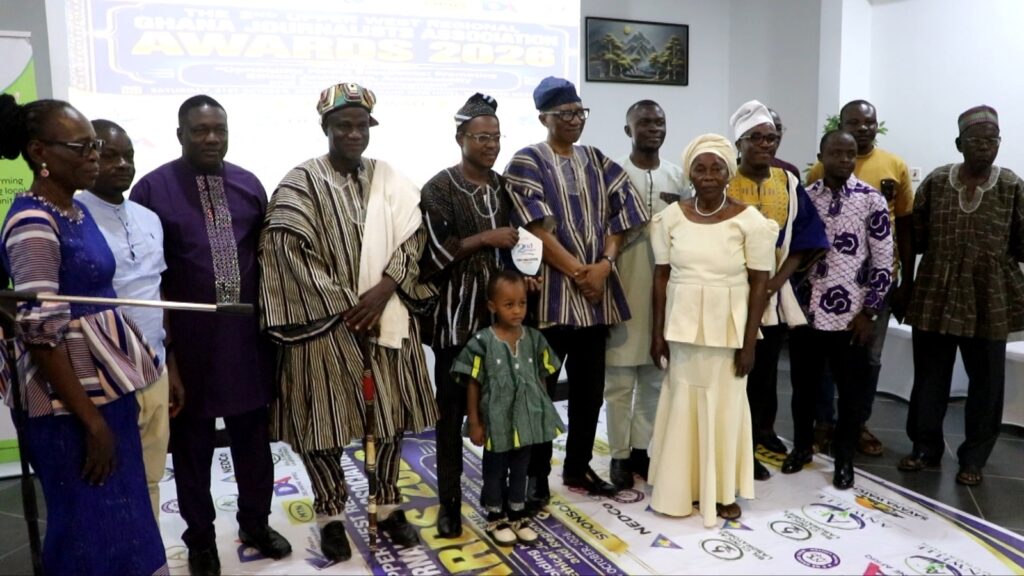
The second edition of the Upper West Regional Ghana Journalists Association (GJA) Awards, held in Wa, concluded with a strong call from media leaders, traditional rulers, and corporate partners to prioritize the welfare, sustainability, and ethical standards of journalists in the region. The event, themed "Upholding Media Excellence, Promoting Ethical Journalism, Accountability and Regional Development," brought together key stakeholders to celebrate journalistic achievements while addressing the significant economic and operational challenges faced by practitioners in northern Ghana.
Major Albert Banoba Don-Chebe, former Director-General of the Ghana Broadcasting Corporation (GBC) and Chairman of the event, emphasized the critical role of a free press in upholding democracy. He stressed that the media serves as watchdogs and guardians of societal progress, acting as the foundation of any democratic society. He further highlighted the importance of regular recognition for journalists, acknowledging the often unappreciated labor they perform in underserved communities.
Prosper Kuorsoh, the Upper West Regional GJA Chairman, echoed these sentiments, underscoring the vital role of rural journalism. He noted that journalists act as crucial liaisons between policymakers and rural communities, amplifying the voices of vulnerable individuals, from farmers in Kunfabiala to pupils in remote learning areas.
Despite the critical importance of the media, speakers consistently highlighted the stark economic realities and welfare challenges facing journalists in the Upper West Region. Kuorsoh candidly discussed the difficulties in mobilizing resources for the event, criticizing corporate bodies and institutions that seek free media coverage but refuse to invest in media sustainability.
"The media cannot champion accountability while being starved of support," Kuorsoh asserted. He added that the media that promotes businesses today is the same media that holds them accountable tomorrow. Without proper support, journalists cannot maintain the balance between promoting business interests and holding those entities accountable.
A representative of the Wa Naa and the Wa Traditional Council provided a traditional perspective on local journalism. Many media outlets, particularly local radio stations, are often seen as performing voluntary service. The representative noted that these stations struggle to meet basic operational needs, reflecting the challenging economic environment that journalists in the region face.
Written by urgent.news from MyJoyOnline Ghana's reporting — not their text. Machine-written — may contain errors; check the original before relying on it.