The Syntax of Hybridity: Calques, Sociolects, and the Structural Evolution of Miami English
The linguistic map of the Western Hemisphere has long resisted static boundaries, but nowhere is the friction of language contact more structurally visible through English in Miami and broader in South Florida. For over six decades, continuous demographic influxes from across Latin America have transformed Miami from a standard Sunbelt municipality into a complex bilingual […]
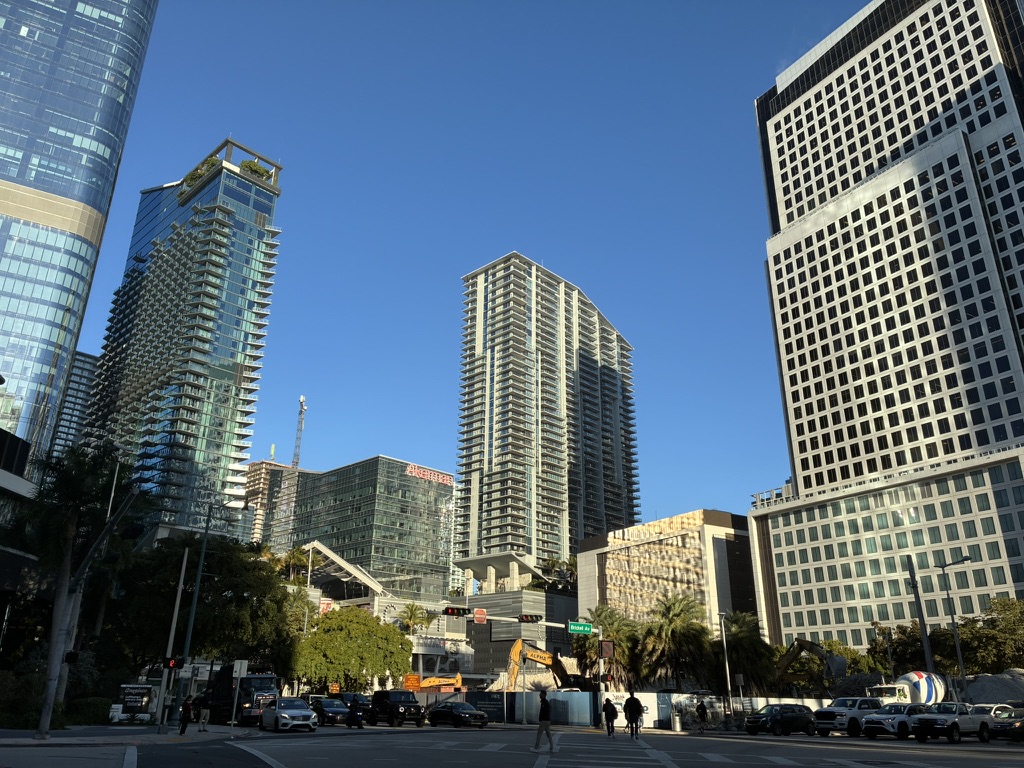
The linguistic landscape of the Western Hemisphere has remained fluid, but the interaction of languages is most evident in Miami and across South Florida. Over six decades, waves of immigrants from Latin America have evolved Miami from a typical Sunbelt city into a multifaceted bilingual community. While Spanglish and casual code-switching are well-known, a more profound change is taking place: the birth of what linguists refer to as "Miami English," a regional variation that disputes conventional concepts of dialect, accent, and linguistic dominance.
At the heart of this phenomenon is the work of Dr. Phillip M. Carter, a linguistics professor at Florida International University (FIU). His research indicates that prolonged exposure to a Spanish-speaking setting has altered the English vowel system, syntax, and vocabulary of local speakers. This linguistic evolution is not merely about non-native mistakes or temporary immigrant slang; rather, these changes have become entrenched through generations of native English speakers.
The process involves the adoption of calques—word-by-word translations from Spanish that maintain the original syntax and use English words. Over time, these phrases, such as “get down from the car” (bajarse del carro) or “make the line” (hacer la fila), become part of the everyday speech of second and third-generation Miamians, including those with no Latin American heritage.
Unlike in many other U.S. cities where Spanish became associated with lower social classes, in Miami, it became a dominant language in commerce, government, and elite circles after the 1959 migration. This shift has allowed Spanish structures to influence the mainstream English, challenging the usual pattern of linguistic assimilation.
Not all linguists agree on Miami English’s status. While Dr. Carter advocates for its full recognition as a distinct dialect, others, like Dr. Andrew Lynch from the University of Miami, consider it primarily a sociolect—a form of speech tied to a particular social group, mainly second and third-generation Hispanic Americans who consider English their primary language.
For Miami English to be fully acknowledged as a regional dialect, the next generations must continue to integrate Spanish linguistic elements into their spoken English. This analysis not only helps destigmatize non-standard speech but also highlights the dynamic nature of language in the face of cultural and demographic changes, showcasing how migration reshapes local identity and linguistic norms in South Florida.
Written by urgent.news from Colombia One's reporting — not their text. Machine-written — may contain errors; check the original before relying on it.