The fall secret to a spectacular spring: An expert guide to planting bulbs
How to plant bulbs for nonstop spring blooms.
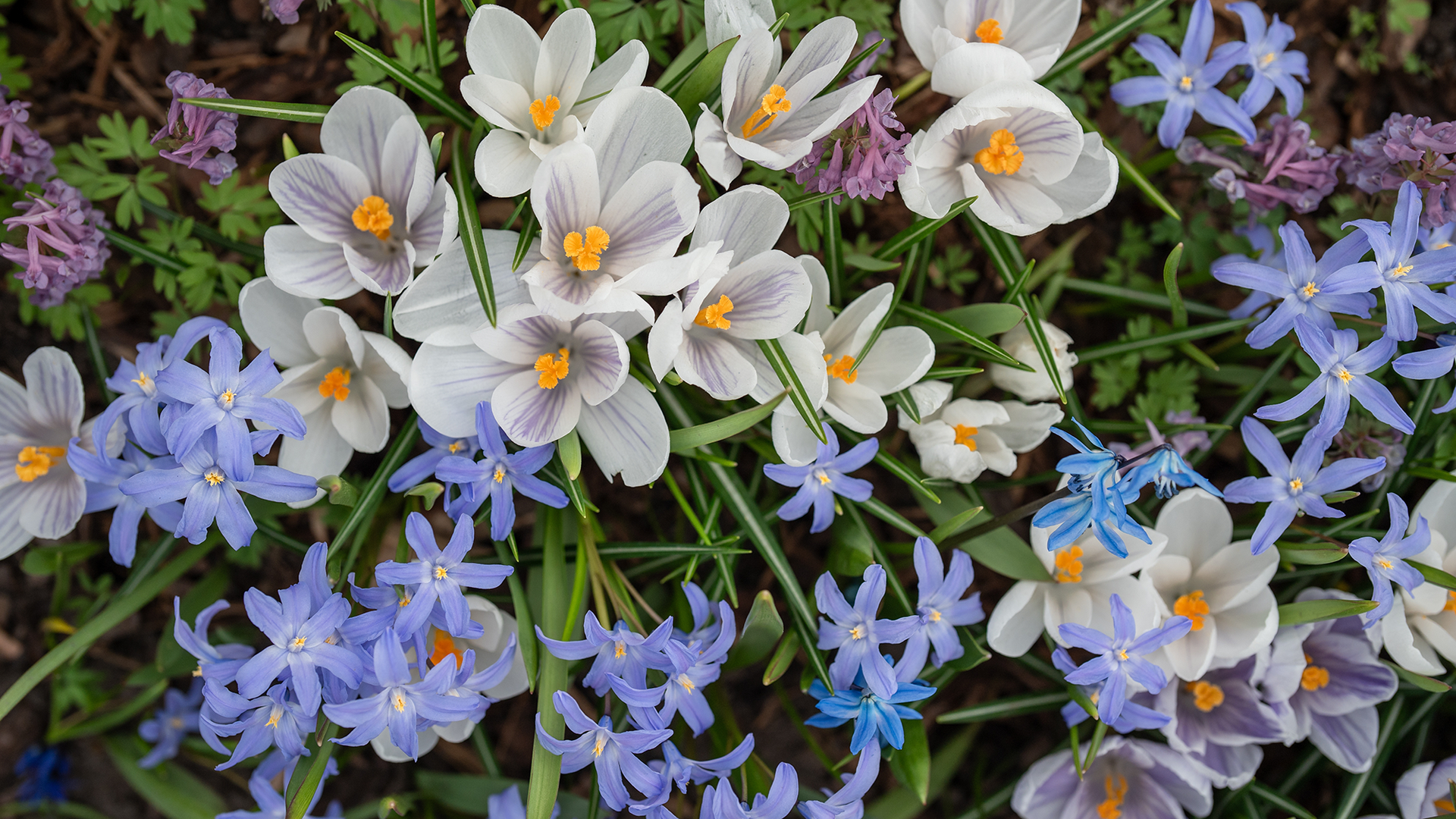
As the leaves fall and winter sets in, many people assume that gardening is put on hold until spring arrives. However, this is not the case. In fact, the key to a stunning spring garden begins in the fall. The secret lies in planting bulbs, which require a period of cold to initiate flowering – a process called vernalization.
Most spring bulbs need a chilling period to develop a strong root system before they can bloom in the spring. Planting bulbs in the fall allows them to establish roots before the ground freezes, ensuring they bloom fully in the spring. The timing of planting varies depending on the region, typically between September and November in colder climates and until November or December in warmer regions. It is advised to plant bulbs about six weeks before the average hard freeze in the area.
When choosing bulbs, select ones that are firm, heavy, and free of spots or mold. Avoid planting bulbs too early, as warm weather can cause them to sprout prematurely and be damaged by frost or cold snaps. Stick to planting when night temperatures consistently drop between 40-50°F.
There are several types of bulbs that can be planted in the fall, including daffodils, crocuses, snowdrops, muscari, alliums, and fritillaries. Native species of bulbs are also recommended as they are well-adapted to the local environment and provide essential food sources for local pollinators.
To achieve success, planting bulbs in groups of at least three to five creates a more natural look, while larger drifts of bulbs look more impressive. Bury the bulbs at a depth of three times their height, with the sprouting end facing upwards. Water the bulbs thoroughly after planting and allow the soil to settle around them.
Container planting can be an option for those with heavy soil or poor drainage, but it is crucial to ensure that the soil doesn't dry out or the pots become waterlogged during winter. For a continuous display of blooms, experiment with lasagna planting, which involves layering bulbs by bloom time. The biggest mistake to avoid when planting bulbs is improper drainage, as waterlogged soil can cause them to rot.
Written by urgent.news from Tom's Guide's reporting — not their text. Machine-written — may contain errors; check the original before relying on it.