The Drawing Power of Bogota’s Market Kitchens Among Tourists
Bogota’s market squares have always been understood as places where residents of the capital go to buy all kinds of fresh products that come from the countryside. Amid this commercial exchange, the restaurants found in these places appear to be secondary settings where, as an additional activity, visitors can also sample a large portion of […]
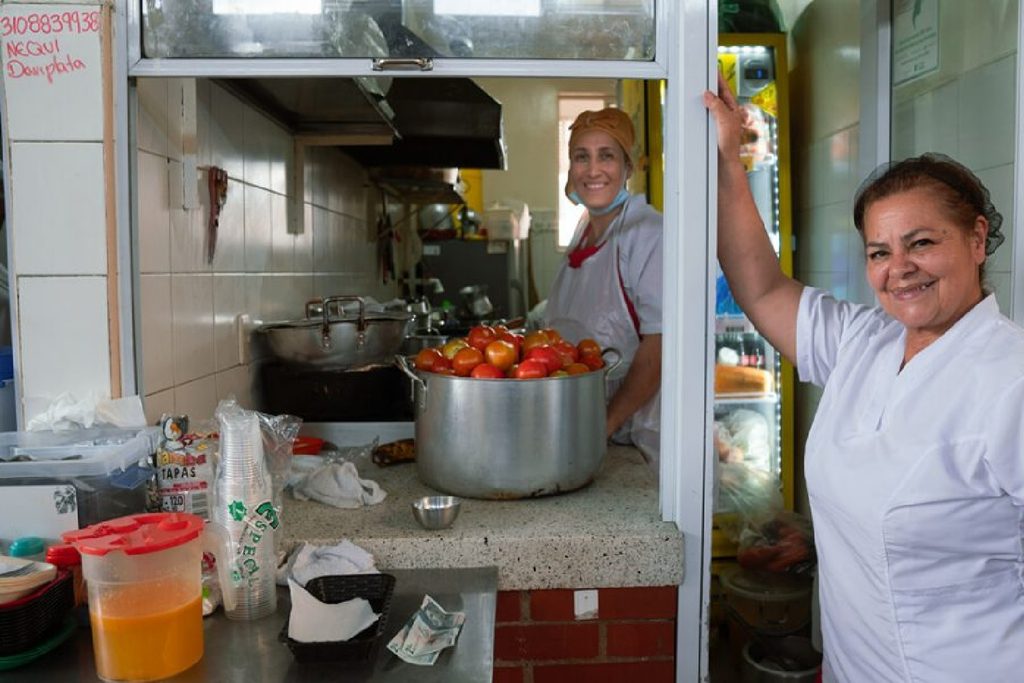
Bogota's market squares are well-known as bustling hubs where residents purchase fresh produce from the countryside, and they are also becoming popular tourist destinations to experience the region's traditional cuisine. This shift has been highlighted by the Living Heritage Inventory project, initiated in 2024 with the 19 markets in the District System.
Historically, markets have been involved in food production, marketing, and distribution - from pre-Hispanic times to present-day supply dynamics. These spaces serve as a platform for preserving and reinterpreting gastronomic heritage, bringing together product knowledge, techniques, family histories, and relationships between the countryside and the city.
The inventory has revealed that culinary knowledge and food-processing techniques, trade and supply practices, medicinal plant care, community services, and artisanal production activities are central to these market practices. Restaurants, traditional eateries, cafes, fruit shops, and traditional kitchens all play a part in this ecosystem, each contributing their unique skills and expertise.
Foreign tourists, drawn to the diverse flavors of Colombian gastronomy, often seek out these market squares, finding more than just groceries. Instead, they are looking to immerse themselves in the city's rich culinary culture. Angela Garzon, the Director of Bogota District Tourism Institute, mentioned that the city received over 14 million visitors in 2025, with approximately two million being foreigners who visit the market squares specifically for the food.
Women have played a significant role in this network, leading food preparation and marketing activities, maintaining community support, and passing down culinary and commercial knowledge. The restaurants and eateries in these markets buy ingredients from neighboring stalls, providing sustenance for workers in other occupations, and maintaining relationships with farmers and suppliers. This internal network of economic and social circulation helps sustain the market as a whole.
These market spaces can also be seen as emotional and gustatory archives of the city. Familiar recipes, dishes that evoke different regions of the country, and experiences passed down through generations contribute to preserving family, territorial, and community memories. Moreover, practices such as reducing waste, donating food, and offering meals at affordable prices tie these occupations to access to culturally appropriate food and food security for communities.
In summary, Bogota's market squares are not only about buying fresh produce but also serve as vital centers for culinary heritage, social interaction, and economic activity. As research continues, it becomes clear that these spaces are deeply intertwined with the city's rural heritage, daily life, and the broader community fabric.
Written by urgent.news from Colombia One's reporting — not their text. Machine-written — may contain errors; check the original before relying on it.