The DOJ Heads to the Polls
Election officials are suspicious of the department’s plan to send 1,000 monitors to polling places across the country.
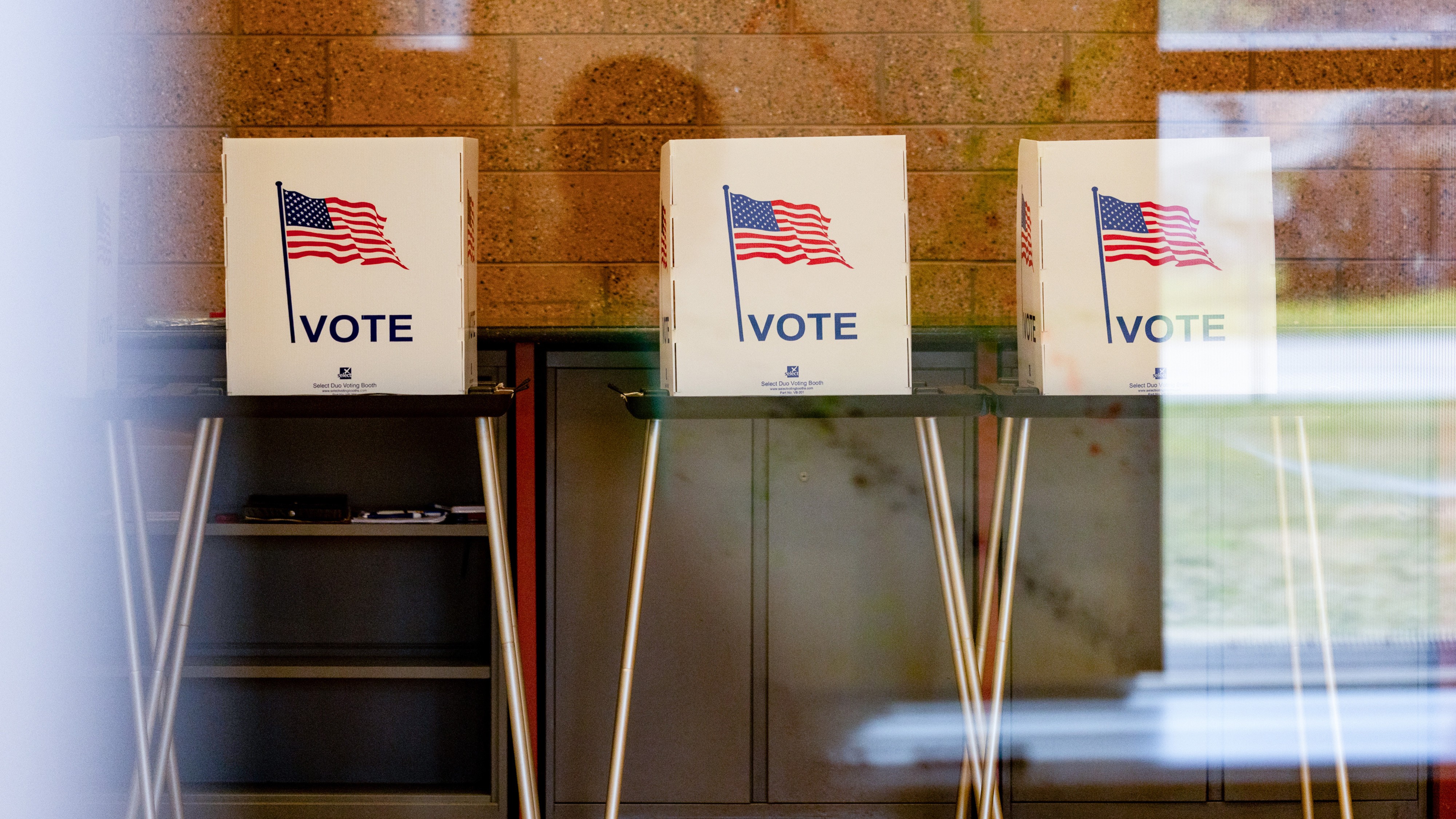
For over six decades, the Department of Justice (DOJ) has dispatched its attorneys and staff to polling sites nationwide to safeguard Americans' right to vote without facing discrimination or intimidation. They observe whether Black voters are unjustly hindered, ensure wheelchair accessibility, and provide assistance to those unable to read ballots due to blindness, limited English proficiency, or lack of skill.
When the federal agents arrived in Tucson, Arizona, a region home to Spanish speakers and retirees, local officials regarded them as allies in protecting voting rights. However, ahead of the primary election in July, Constance Hargrove, Pima County Elections Director, expressed apprehension. She questioned whether the DOJ's six representatives, mostly criminal prosecutors, would merely observe or attempt to undermine the election results.
Hargrove cautioned the monitors, reminding them not to bring weapons to vote centers. On Primary Day, the monitors appeared to operate normally. Yet, she remains concerned about the upcoming nationwide deployment of 1,000 monitors for Tuesday's election. This increase is unprecedented, as past administrations, both Republican and Democratic, had sent far fewer monitors.
Moreover, the DOJ's history regarding elections under the Trump administration is contentious. They have investigated alleged voter fraud in Georgia, Arizona, and Wisconsin without finding substantial evidence of widespread voter fraud. Recently, DOJ instructed all state election officials to preserve their election materials. Hargrove emphasized that election officials should follow their training in case the monitors or anyone else disrupts the process by calling 911.
Hargrove's concerns mirror those of dozens of local and state election officials across the country. Some fear that the longstanding program, established during the civil-rights era to prevent intimidation, particularly of nonwhite voters, could be repurposed to advance the administration's attacks on the democratic process. They also worry that monitors might misconstrue their observations and share inaccurate information with DOJ, potentially undermining the election results.
Kiersten V. Pels, a spokesperson for the Justice Department, rejected these concerns, stating that there hasn't been an instance of a voter being intimidated by a DOJ monitor. Should local officials notice improper behavior from the monitors, they should report it to DOJ. According to Pels, the monitors' primary role is to observe potential violations of federal law and report concerns to the department, which will review them after the election and take appropriate action if necessary.
This year's program is overseen by Harmeet Dhillon, assistant attorney general for the Civil Rights Division. Critics have pointed out her association with election deniers and her support for legislation limiting mail-in voting. Dhillon's division has sued numerous state election officials seeking sensitive voter information, arguing that it is a federal crime to allow noncitizens to remain on voter rolls.
Dhillon described the monitor program as a means to increase voter confidence and troubleshoot issues. However, her division has sued state election officials seeking sensitive voter information, arguing that it is a federal crime to allow noncitizens to remain on voter rolls. Pels emphasized that monitors will not question voters about their citizenship status at the polls.
Written by urgent.news from The Atlantic's reporting — not their text. Machine-written — may contain errors; check the original before relying on it.