Southeast Asia’s EV boom sidelines local car parts suppliers
Southeast Asia’s electric vehicle boom risks leaving the region’s smaller companies behind, as Chinese automotive giants bypass local part-makers in favour of imported components and locked-in supplier networks. Local manufacturers across Indonesia, Thailand and Malaysia are facing a double squeeze: demand is weakening for parts used in petrol and diesel cars, collectively known as internal…
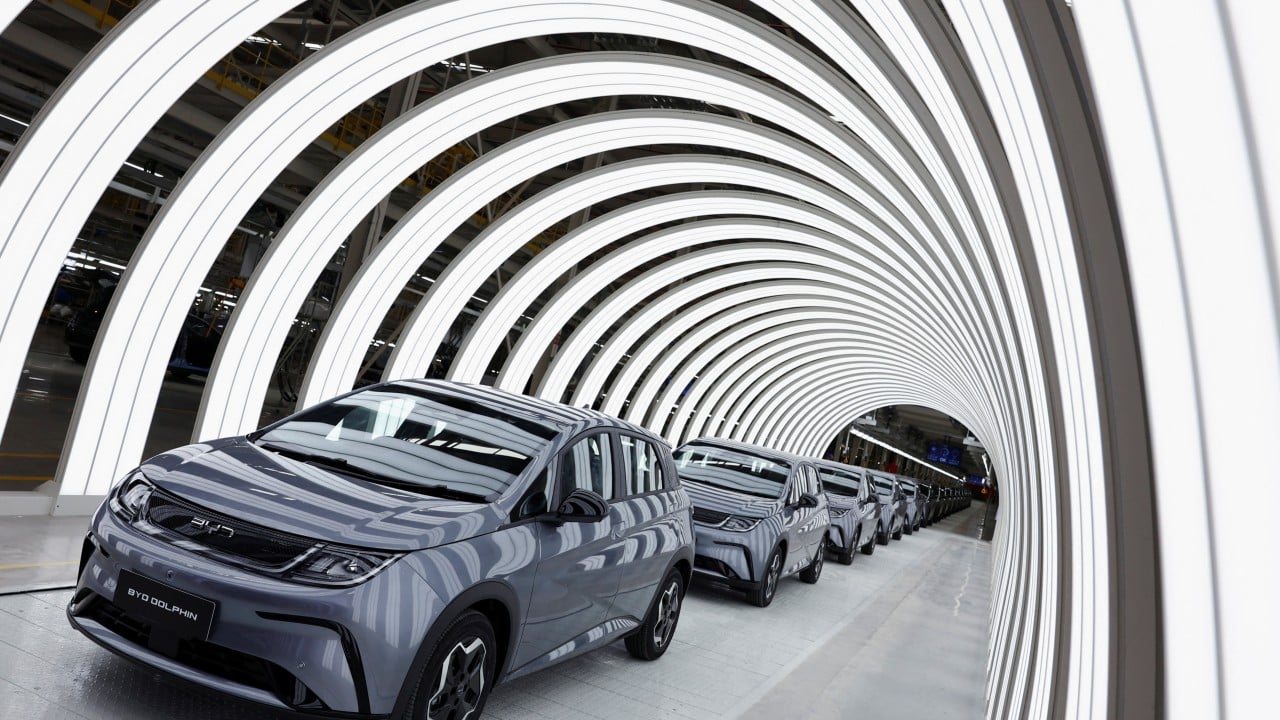
Southeast Asia's electric vehicle (EV) boom may leave smaller local car part suppliers in the region struggling to keep up. Chinese car manufacturers are bypassing local part-makers in favor of imported components and established supplier networks. In Indonesia, Thailand, and Malaysia, local manufacturers are facing a double challenge: decreasing demand for parts used in petrol and diesel cars, known as internal combustion engine (ICE) vehicles, along with high barriers to entry in the EV supply chains.
Analysts suggest that repair and servicing work, as well as hybrids that combine a petrol engine with an electric motor, could provide a lifeline. However, without better government support and improved access to Chinese manufacturers, the EV transition could weaken the established supply base in the region. Chinese EV investments have not generated much business for local component makers so far, according to Bhima Yudhistira Adhinegara, an Indonesian economist. The biggest barriers to entry are financing, technology, and access to manufacturers.
Similar concerns have emerged in Thailand, a long-standing backbone of Southeast Asia's auto sector. Krungsri Research, the research arm of Thailand's Bank of Ayudhya, reported in its 2026-28 industry outlook that local suppliers are struggling to enter Chinese EV supply chains. They either import major components or rely on existing Chinese suppliers, giving Thai vendors a disadvantage in both cost and proprietary hi-tech knowledge.
Hybrid vehicles, which combine a petrol engine with an electric motor, could offer a lifeline. Continued demand for ICE cars and hybrids could generate income to fund the switch to electric vehicles, but smaller Indonesian firms face financial strain due to sluggish domestic consumer spending and rising fuel costs. Bhima called on Indonesia's government to help smaller manufacturers connect with EV brands and assembly plants and to use local-content rules to ensure firms are brought into the supply chain.
In Thailand, Krungsri Research found that hybrid production supports demand for both conventional engine parts and electrical systems. Japanese hybrid manufacturers source substantial volumes of their parts from within the Southeast Asian nation. Thai manufacturers are diversifying away from the automotive sector entirely, with some urging local suppliers to repurpose for other industries, such as rail, medical equipment, aviation, and agricultural machinery.
Malaysia also attempted to link up with Chinese supply chains, bringing together domestic parts and technology suppliers with the Chinese carmaker Chery in May last year. Aiman Abdullah, managing editor of Motoring Malaysia, said domestic carmakers' electrification programs are gradually building up local engineering and manufacturing expertise, but suppliers still need clearer planning from both the government and carmakers to break into the EV market.
Written by urgent.news from South China Morning Post's reporting — not their text. Machine-written — may contain errors; check the original before relying on it.