Sam Altman meets with Samsung leadership to secure more RAM for data centers amid crushing shortages
OpenAI CEO Sam Altman met with around 50 Samsung executives in South Korea on October 31 to discuss AI's future, business opportunities and the technology's impact on corporate operations. The meeting comes as demand for memory chips grows alongside AI infrastructure spending, putting pressure on global DRAM supplies. Samsung and SK hynix together accounted for approximately 83% of global…
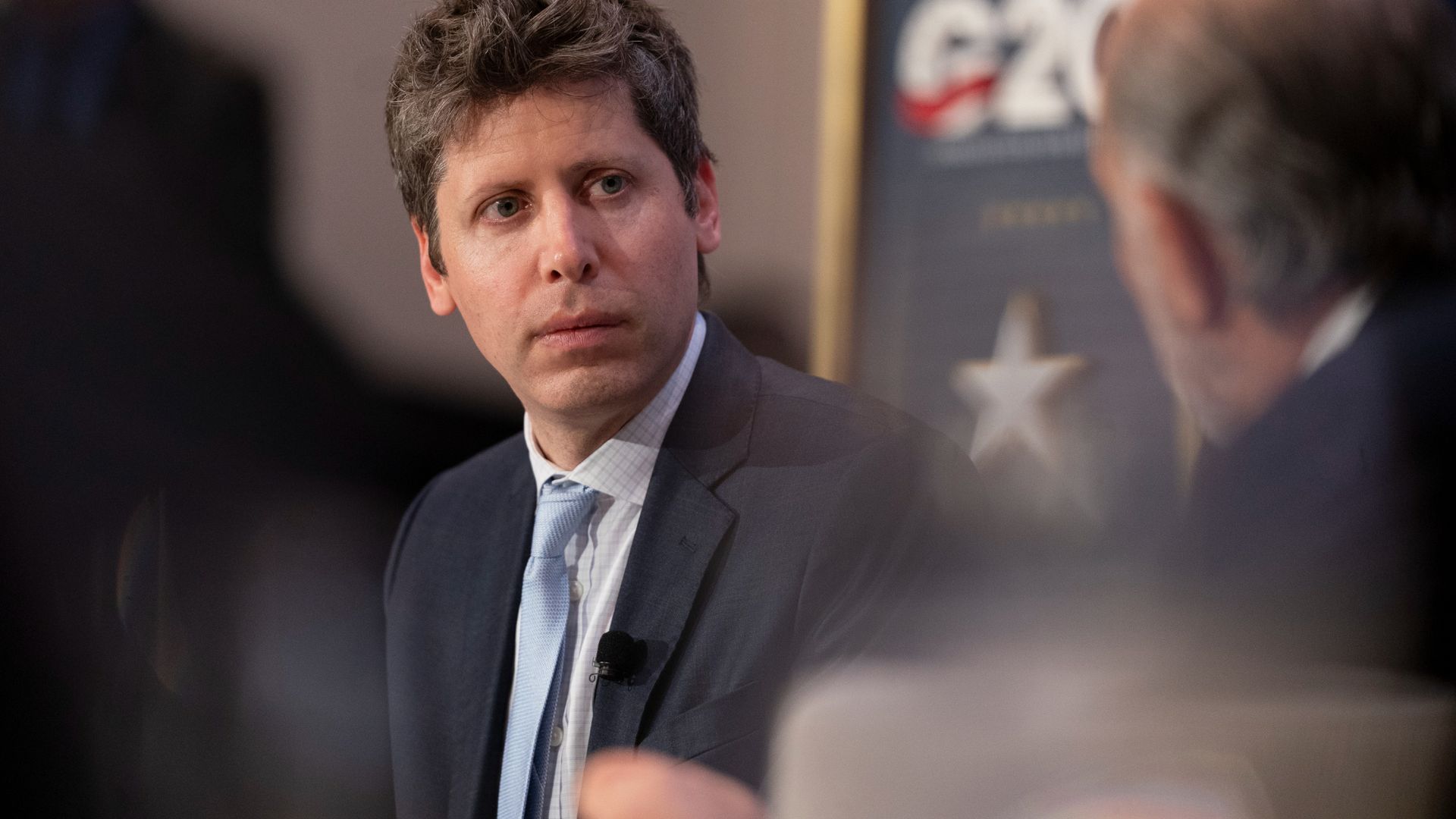
OpenAI CEO Sam Altman met with approximately 50 high-ranking Samsung officials in South Korea to discuss securing more RAM for data centers, as reported by Bloomberg. The CEO's visit followed his recent remarks on the uneven allocation of memory supply in the market. Altman contended that memory in personal computers often remains underutilized, advocating for data centers to better exploit memory resources through shared AI workload processing.
This perspective has faced significant criticism due to the heavy reliance of OpenAI's services, such as ChatGPT, on centralized computing infrastructure.
The gathering, held at Samsung's Resources Development Center in Yongin on October 30, involved leaders from Samsung's financial, electronics, and biotechnology divisions. Samsung Korea disclosed that the meeting aimed at reinforcing existing partnerships, including a letter of intent from October 2025 to collaborate on global AI infrastructure, particularly supplying memory semiconductors for OpenAI's Stargate project.
The CEOs and executives engaged in discussions about the trajectory of AI technology development, potential applications, emerging markets, and business opportunities stemming from this advancement. Samsung, however, focused more on AI transformation and future business prospects rather than confirming a new memory supply agreement.
During the meeting, Altman presented Samsung's AI Center head with a Codex Micro Keyboard, a tool designed for use with OpenAI's coding agent. This visit coincides with a surge in demand from AI centers, with AMD projecting a 177% increase in DRAM revenue in 2026, reaching approximately $416 billion. Trendforce estimates a 1-2% shortfall in DRAM supply versus demand this year, with the gap projected to widen in 2027.
The shortage may persist into 2028 due to the extended time required for new manufacturing capacity to come online, as warned by Micron.
Data center demand is competing against other sectors, including PCs, smartphones, and various electronics, for limited memory supplies, and may not yet be at its peak. High-bandwidth memory (HBM), a specialized type of DRAM essential for AI devices, has gained particular importance as companies deploy more powerful computing systems.
Samsung and SK Hynix, leading memory manufacturers, control about 63% of global DRAM revenues in the second quarter of 2026, with a dominant share in HBM, accounting for roughly 83% of global revenue. This influence has attracted attention from other technology leaders, with AMD CEO Lisa Su visiting South Korea earlier this month to explore additional HBM supplies from Samsung, emphasizing the importance of planning three to five years ahead with partners.
While Samsung and SK Hynix are upgrading Chinese factories to accommodate the growing demand for AI-related memory and storage products, their upgrades primarily involve NAND flash production rather than DRAM. Nonetheless, these adjustments underscore how manufacturers are adapting capacity as demand increasingly shifts towards data center hardware.
Written by urgent.news from Tom's Hardware's reporting — not their text. Machine-written — may contain errors; check the original before relying on it.