Rare damselfly spotted by restored chalk river
The Herts and Middlesex Trust says it is "thrilled" the new wetlands are helping species thrive.
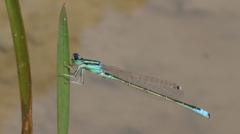
In a promising conservation success, a rare blue-tailed damselfly has been discovered in wetlands created through the restoration of a chalk river. The endangered insect, one of the oldest flying species on Earth, was observed alongside the River Ash near Hertford. The 4.3-mile stretch at the Easneye Estate was returned to its natural state last year.
The Herts and Middlesex Wildlife Trust emphasized the importance of habitat restoration for species under pressure. The scarce blue-tailed damselfly was spotted at two monitoring sites in late summer. A recent assessment revealed growing worries about the future of several damselfly and dragonfly species. The British Dragonfly Society's Red List reclassified the rare blue-tailed damselfly from Near Threatened to Endangered.
Eight species now face extinction, double the number identified in 2008. The River Ash, part of a global network of around 260 chalk rivers, has seen the addition of new gravel beds as part of the restoration project. Trout have already begun spawning in these beds. Monitoring before and after the restoration revealed an increase in river invertebrates, including mayflies and stoneflies.
Rivers, connected floodplains, and healthy wetlands are vital for biodiversity, providing essential habitats for wildlife and contributing to resilience against flooding and drought. The sighting of the scarce blue-tailed damselfly along the River Ash demonstrates the positive impact of these conservation efforts.
Written by urgent.news from BBC Science's reporting — not their text. Machine-written — may contain errors; check the original before relying on it.