Pump pressure: how rising fuel costs leave Hong Kong drivers running on fumes
Van driver Wong Siu-po, 48, felt life was becoming more difficult than ever as mounting fuel prices cost him an additional HK$5,000 (US$640) a month, about a third of his monthly income. With an 11-year-old daughter and an unemployed wife to support, he feels the pressure mounting. “I need to work three hours longer per day to make up for the loss of income,” he said. “I will cut down on air…
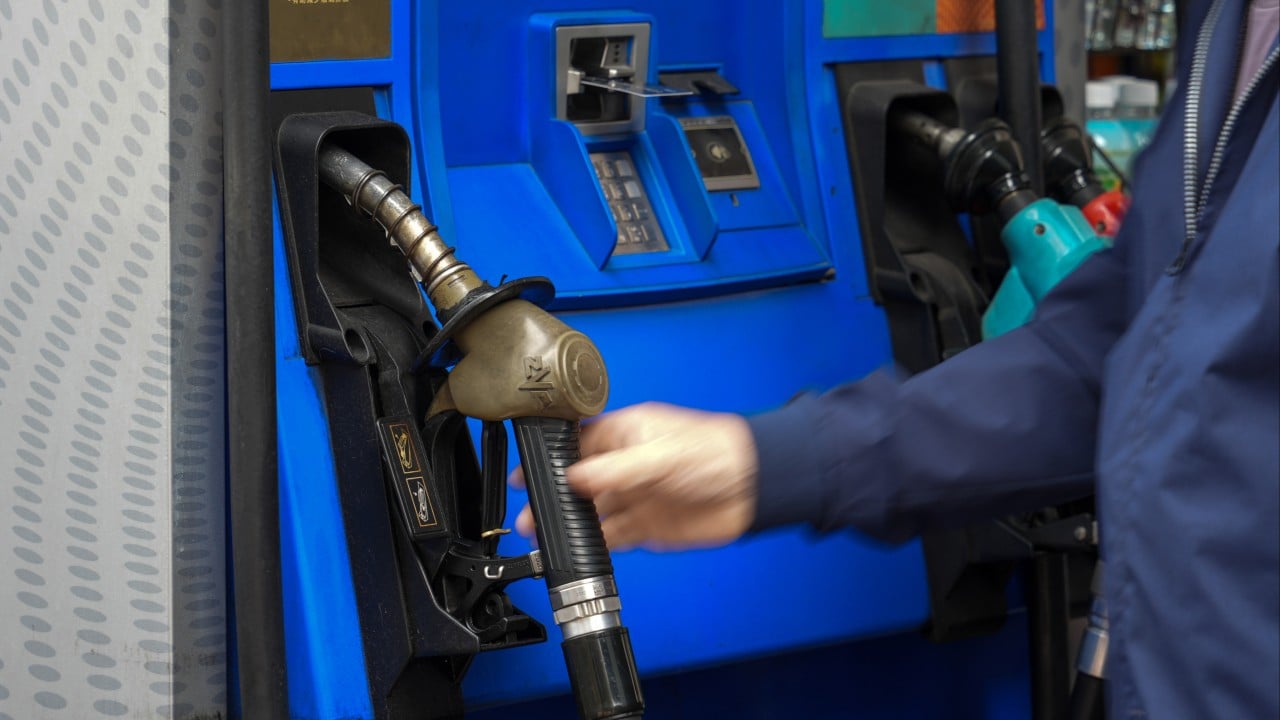
For Hong Kong drivers, mounting fuel prices are leaving them running on fumes, as soaring costs strain their livelihoods. Van driver Wong Siu-po, 48, expressed the mounting pressure, stating he must work additional hours to compensate for a monthly loss of around HK$5,000 due to higher fuel expenses. Nearly all commercial drivers surveyed felt government support was "inadequate" or "very inadequate" amid the fuel crisis driven by the Middle East war and global energy issues.
The poll of 770 respondents found that after a two-month subsidy ended in June, 98.7% reported higher monthly fuel costs, with over a quarter paying HK$5,000 or more extra per month. Many drivers resorted to working longer hours, dipping into savings, or cutting maintenance to cope with the increased expenses. Cow Lam, 38, a van driver paying a car loan of HK$6,000 monthly, noted the additional HK$3,000 per month in fuel costs, pushing his living expenses up by 40%.
A majority of respondents called for immediate relief, urging transitional support for recent fuel-car buyers with ongoing vehicle loans, clear electric vehicle replacement arrangements, increased purchase subsidies, low-interest loans, and leasing or installment payment options. The concern group's chairwoman, Michelle Tsang, emphasized the importance of securing cash flow for drivers to transition successfully.
Roughly 46.4% of drivers expressed intention to switch to electric vehicles, while 11.8% planned to switch within three years.
However, for those not intending to switch, 61% cited insufficient charging points at workplaces and overnight parking sites, and over 60% demanded more information about the net cost of switching to electric vehicles. Both drivers and passengers felt the impact on their daily lives. Low-income households, like single mother Rosaly, faced steeper electricity bills and reduced discretionary spending as they adjusted to the fuel crisis's ripple effects.
Written by urgent.news from South China Morning Post's reporting — not their text. Machine-written — may contain errors; check the original before relying on it.