Petrol pricing revised to shield consumers
Refineries to surrender price differential as levy
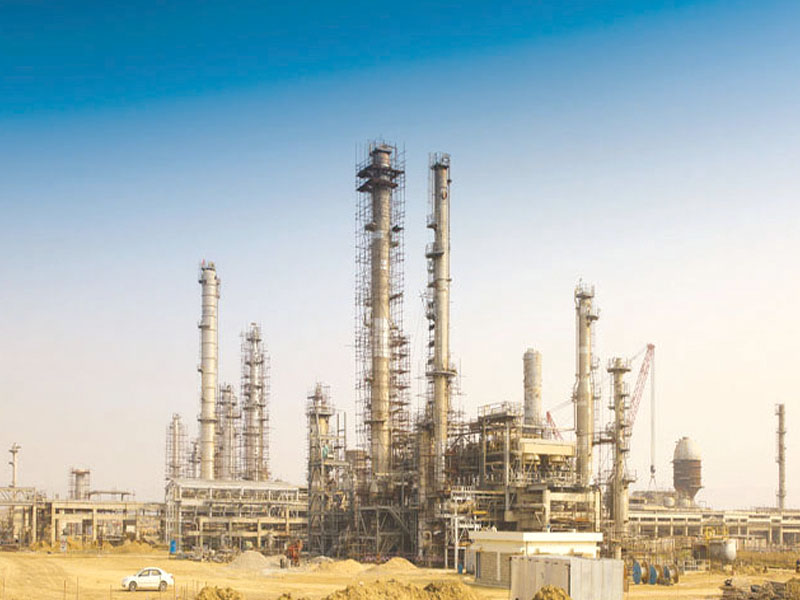
On October 30, Pakistan's federal government revised the petrol pricing mechanism to help shield consumers from the effects of rising fuel costs amid the ongoing Iran-US conflict. The Petroleum Division instructed refineries to transfer the gap between import and ex-refinery prices to the petroleum levy, with the savings passed on to consumers through reduced petrol prices. This change was implemented in response to price volatility and the war's impact on global oil markets.
Under the revised system, petrol's import price is calculated based on the actual import cost of the relevant Pakistan State Oil (PSO) shipment. If import cost data is unavailable for a given day, the premium, incidentals, and customs duty from the most recent available cargo can be utilized. For the next 30 days, refineries will use ex-refinery prices based on March 7, 2026, levels prior to the war, with no additional government taxes, duties, dealer commissions, or distribution costs applied.
Refineries must surrender the import price-ex-refinery price differential as petroleum levy under account C03901, with the resulting benefit directly returned to petrol consumers through lower retail prices. All refineries have been directed to deposit the differential amounts as per OGRA price and petroleum levy notifications. Additionally, refineries must submit daily reports of domestic petrol sales, payment receipts, and challans to the Petroleum Division and OGRA for verification and reconciliation.
The revised formula aims to prevent consumers from bearing the full impact of higher premiums and freight charges claimed by refineries, which could have led to substantial price increases. OGRA has instructed refineries to deposit adjustments exceeding Rs49 under the revised mechanism. The new pricing formula, announced on October 30, helped prevent a significant price hike.
Petroleum Minister Ali Pervaiz Malik announced at a convocation that over 12 to 13 million deserving individuals were receiving subsidized petrol at pre-war prices. He highlighted that the Strait of Hormuz disruptions have affected countries worldwide, forcing families to make difficult choices as governments struggle to acquire foreign exchange for costly oil, gas, liquefied petroleum gas, and other fuels.
The minister described the crisis as unprecedented in its scale and duration and emphasized Pakistan's role in shifting from blanket subsidies to targeted assistance supported by technology.
The minister stated that Pakistan avoided using public resources to subsidize fuel for affluent families with expensive vehicles and instead directed aid towards those in need. He assured the public that the government would provide transparency in the fuel pricing process, making relevant information available to the public. Consumers would not need to seek relief from the minister or the prime minister when international oil prices decline, as the benefits of lower prices should be automatically passed on to households.
Rewritten by urgent.news; may contain errors — check the original.
Source: tribune.com.pk