Orion capsule could splash down off Cape Town after launch abort
NASA has discussed contingency plans with South Africa’s NSRI and local trauma facilities in case an Artemis spacecraft makes an emergency splashdown off the Cape coast.
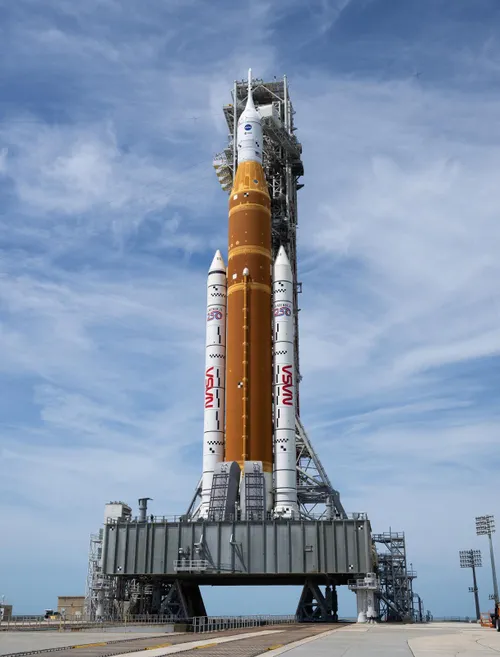
A surprise meeting between NASA and the National Sea Rescue Institute (NSRI) in Cape Town could prove vital if an emergency abort forces a crewed Orion capsule to splash down off the South African coast during a future Artemis mission. As part of contingency planning, NASA representatives visited the NSRI to explore how South African teams could assist with a maritime rescue.
NSRI Head of Operations Charl Maritz welcomed the unexpected contact, noting the organization's ongoing reputation for maritime rescue and safety. Despite the unusual nature of an astronaut rescue, Maritz emphasized the fundamental goal of saving lives in challenging conditions and coordinating an effective response. Discussions focused on the NSRI's potential role in locating, reaching, and recovering astronauts, as well as providing specialized rescue personnel at sea if necessary.
The NSRI, with its decades of maritime rescue experience and skilled volunteer crews, could aid in transporting astronauts and rescue teams back to shore for medical care. However, distance would be a significant factor, as the splashdown could occur up to 200 nautical miles from the coast, limiting the organization's range and endurance.
The briefing also addressed potential hazards, such as hydrazine fuel venting from the Orion spacecraft and decompression complications. NASA representatives toured local trauma facilities to assess South Africa's emergency medical capabilities and discussed the possibility of a formal statement of intent outlining how the organizations could collaborate if needed.
Both parties recognized the value of local knowledge and cooperation in preparing for unlikely emergencies, reinforcing the NSRI's mission to assist people when they need help the most, no matter the location.
Written by urgent.news from IOL's reporting — not their text. Machine-written — may contain errors; check the original before relying on it.