Niños que necesitan a sus padres para dormir: dos especialistas explican qué hay detrás y cómo actuar
¿Miedo, costumbre o una forma de buscar seguridad? ¿Cuándo conviene preocuparse? Las dificultades para dormir deben valorarse según la edad y las circunstancias de cada menor
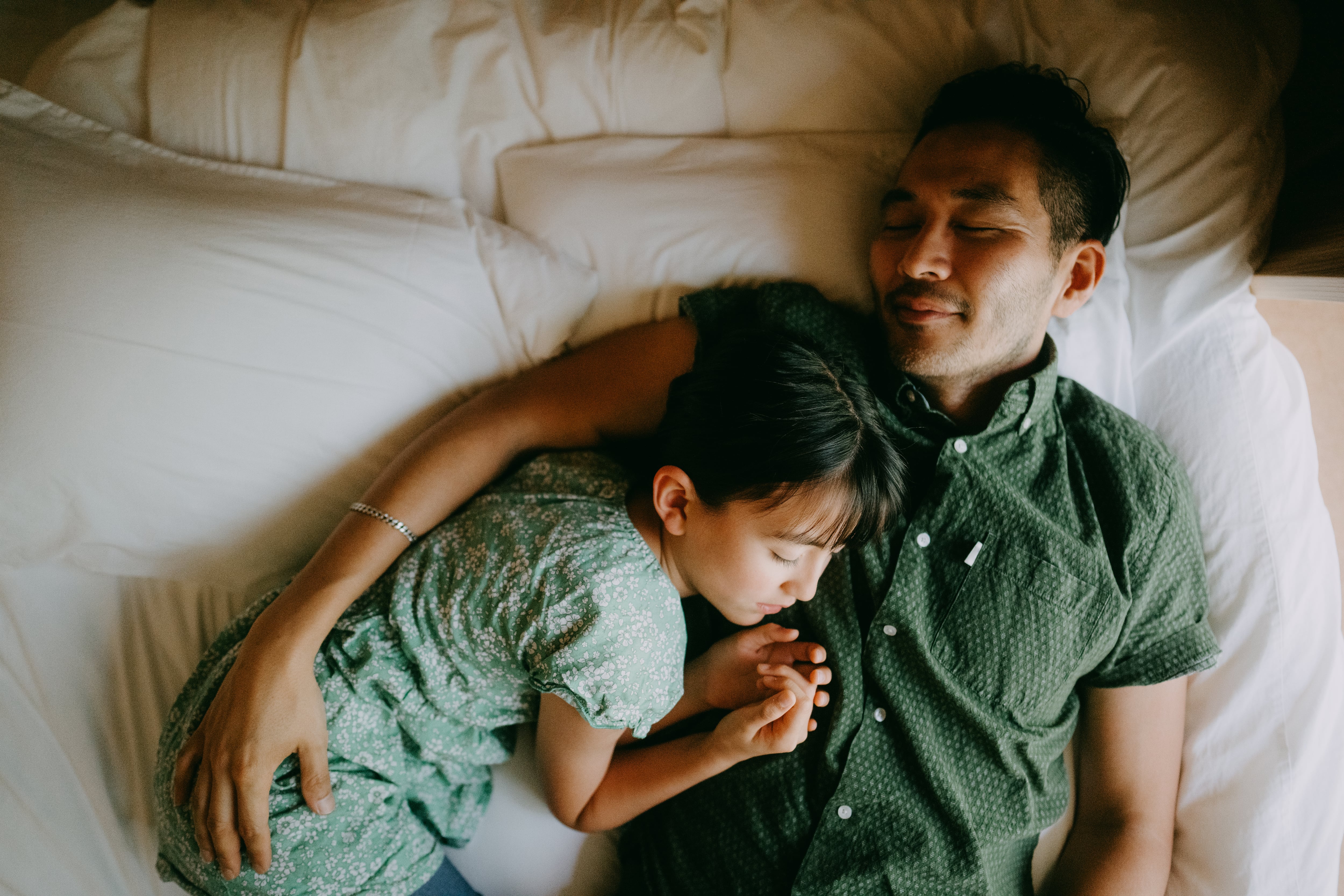
For children, the act of falling asleep often hinges on the presence of their parents. As bedtime approaches and parents prepare to leave the room, a simple sound or cry can halt their departure. Sometimes, merely sitting at the edge of the bed, holding a hand, or leaving the door ajar suffices. However, other times the farewell extends, with children returning hours later with small footsteps in the hallway or a call from their crib.
Some children, after months or even years of sleeping independently, find themselves needing companionship again when it's time to go to bed. This situation reignites one of the most common debates in parenting: how far to go in accompanying children, when to encourage them to sleep alone, and whether responding to their needs is providing security or overprotecting them.
What lies behind the desire for parental closeness during the night? Is it fear, habit, or a search for security? When should concerns arise?
Written by urgent.news from El Pais's reporting — not their text. Machine-written — may contain errors; check the original before relying on it.