McKinsey: "España debe encontrar su propia definición del lujo"
Gemma D’Auria, Corresponsable global de textil, moda y lujo en McKinsey, considera clave decidir como país qué se quiere representar en el sector, en un momento de grandes desafíos Leer
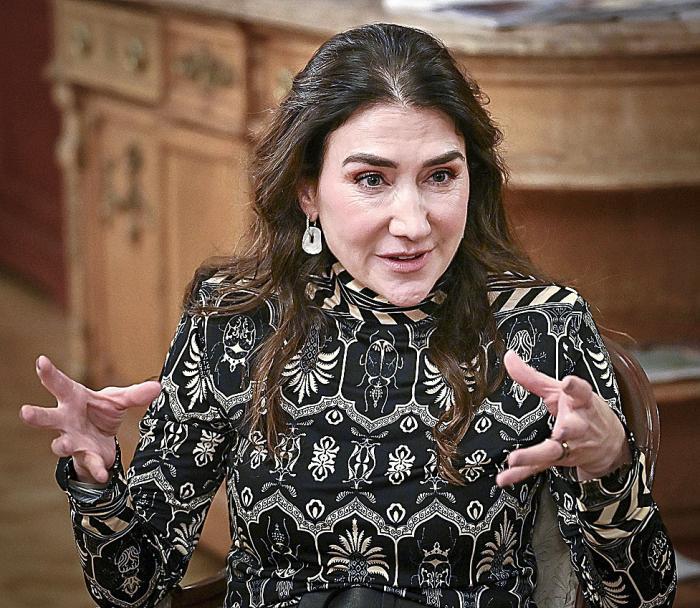
Gemma D’Auria, McKinsey’s global textile, fashion, and luxury leader, emphasizes the importance of determining what Spain wishes to represent in the luxury sector amid major challenges. She describes the current time as one of profound transformation for the luxury industry, with companies needing to adapt to geopolitical context, consumer demand changes, and maintain relevance.
Rising prices over the past five years, combined with geopolitical shifts, have made it difficult to gauge whether the sector has hit a ceiling, as luxury pricing can't be quantified easily. McKinsey expects price increases to moderate to a 2-5% range, as consumers become more cautious after a period of double-digit increases. The pandemic has also led to a growing loss of customer trust in brands, as quality and artisanal heritage alone no longer guarantee desire or sales.
Premium customers, spending between 5,000 and 50,000 euros annually, are delaying purchases, buying less, or turning to resale channels. This change signals an opportunity for brands to foster loyalty and attract new customers. China, traditionally a major market, is seeing an increasing preference for domestic luxury brands. McKinsey advises European brands to redefine their strategy to appeal to Chinese consumers by centering the brand experience around the customer.
Spain, according to D’Auria, holds several advantageous elements for becoming a luxury leader but lacks a unique, coherent narrative. While international events like Madrid’s Formula 1 attract global attention, Spain should strive to establish a global standard. Geopolitical conflicts and uncertainty have also become strategic factors in the luxury sector, prompting major groups to scrutinize their brand portfolios more rigorously.
The beauty segment, in particular, is experiencing a surge, driven by innovation, accessibility, and resilience. However, scaling a beauty brand remains challenging, even for those founded 20 years ago. McKinsey’s analysis indicates that only seven beauty brands have surpassed $1 billion in sales by 2025. To thrive, companies must maintain emotional connections with customers, preserve their identity, and innovate – including integrating technology and AI.
Written by urgent.news from Expansion ES's reporting — not their text. Machine-written — may contain errors; check the original before relying on it.