Malabar parotta: The story and technique behind Kerala’s iconic flatbread
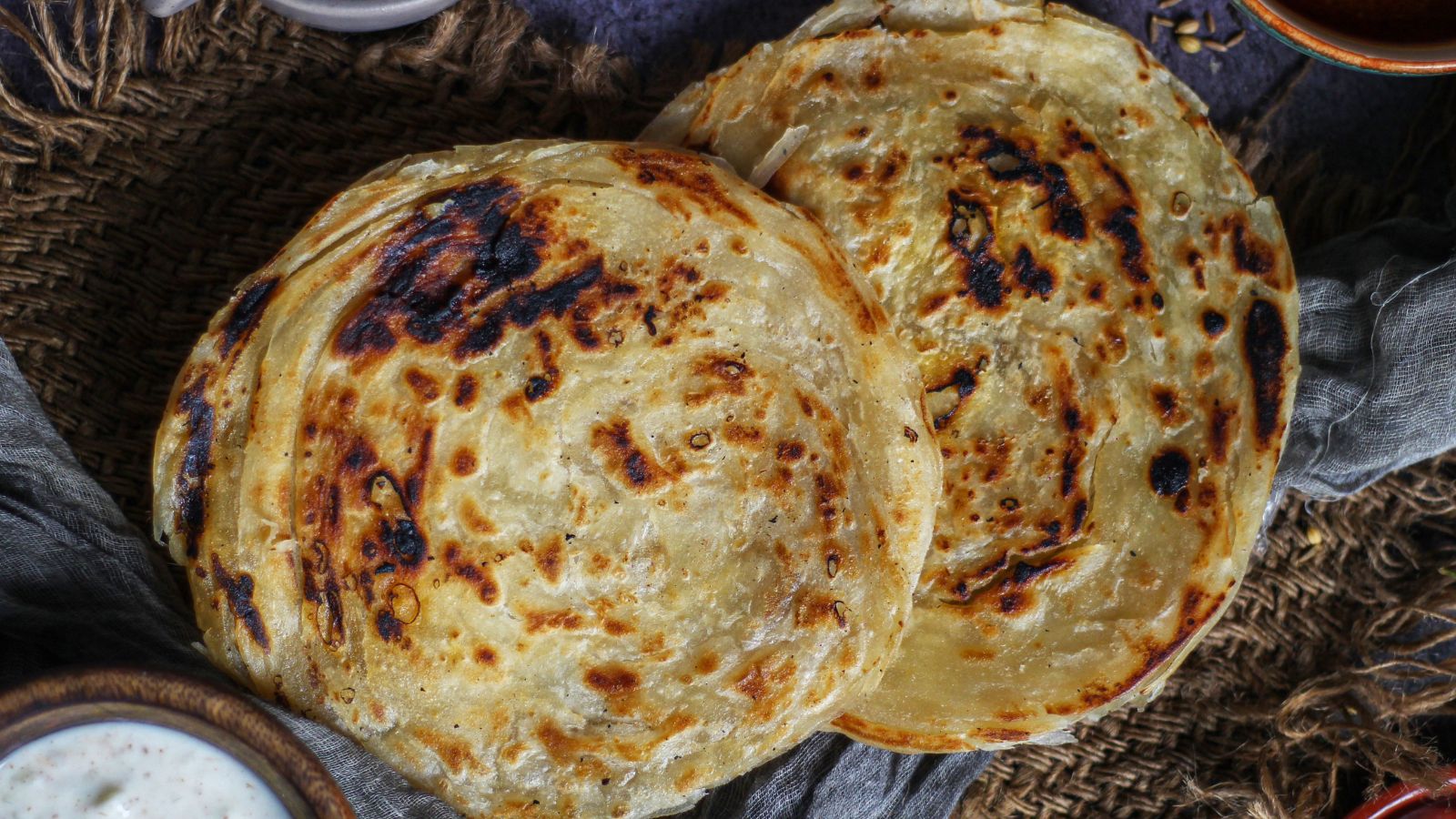
The Malabar parotta is a renowned flatbread from Kerala that boasts a flaky, soft texture achieved through multiple layers. Created with basic ingredients such as flour, water, salt, oil, and occasionally milk or egg, this South Indian delicacy undergoes a meticulous process to attain its signature layers. Before delving into the technique behind crafting these layers, a brief history of the Malabar parotta is essential.
A cherished element of Malabar's culinary heritage, the origins of the Malabar parotta remain somewhat elusive. Chef Amol Baool, an expert in the subject, notes that tracing the flatbread's roots is challenging. Stories suggest that the Malabar parotta shares similarities with numerous other flatbreads found in various parts of India and West Asia.
The diverse culinary influences originating from Kerala's trade connections along its coast played a pivotal role in shaping this dish. Furthermore, local cooks adapted it into a popular street food, refining its flavors and texture over time.
The technique behind the Malabar parotta's distinctive layers is the key to its popularity. According to Chef Baool, the process begins with a simple dough made from wheat flour, water, salt, and ample oil. The dough is kneaded until it becomes smooth and elastic, ensuring it can stretch without tearing easily. Once the dough is rested, it becomes pliable and can be stretched into an almost transparent, extremely thin sheet by using a sweeping motion on an oiled surface. This thin sheet is then generously brushed with oil and rolled out into a translucent ribbon.
The art of creating layers lies in stretching, folding, and coiling the dough. This method helps to distribute the oil evenly throughout the layers, resulting in the iconic flaky texture. The dough is folded into thin pleats or ribbons and then rolled into a spiral, resembling a coiled rope. A brief resting period allows the layers to firm up slightly.
The spiral is then gently flattened into a round disc, creating thin sheets of dough separated by a thin layer of fat. These sheets are then rolled out into individual round discs.
Cooking the parotta on a griddle is the final step. The parotta is cooked until it turns a golden hue, at which point the inside remains soft while the outside becomes lightly crisp. To enhance the flaky texture, gently clap the parotta between your hands. This action loosens the layers, allowing them to disengage from each other and flake apart when pulled apart.
The result is a crisp exterior with a soft, delicious interior and beautifully flaky layers—a testament to the skill behind the technique rather than the ingredients used.
Written by urgent.news from The Indian Express's reporting — not their text. Machine-written — may contain errors; check the original before relying on it.