LOCAL ELECTIONS 2026: What happens after the vote? Councils, coalitions and (maybe) controversies
When voting in the 4 November local government election is completed, if the pollsters have been proven correct, coalitions will dominate across South Africa’s 257 councils, including most of the eight metros. Here’s what happens once the voting ends and the stations close.
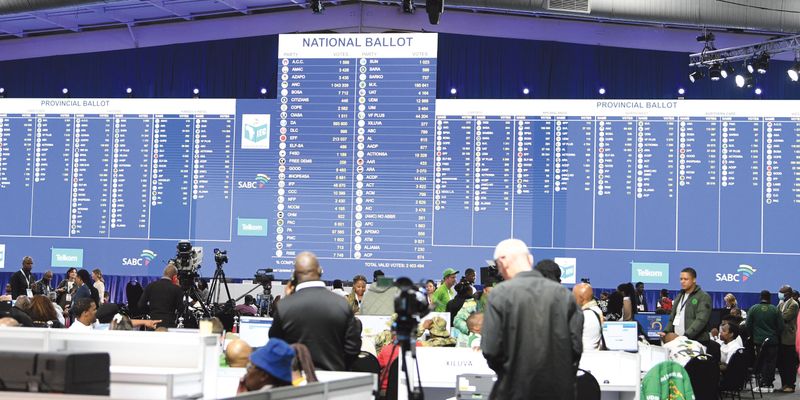
After the votes are cast in South Africa's 2026 local government elections, the next steps begin immediately. The Electoral Commission of South Africa (IEC) starts tallying the votes at each voting station as they close. Once all votes are counted, the IEC declares the results and has seven days to finalize the councillor lists for each municipality.
This process becomes more urgent this year as the Economic Freedom Fighters (EFF), MK Party, ActionSA, and the Good party provided only one name for proportional representation slots in several councils.
If one party wins with more than 50% of the votes, establishing the council is relatively straightforward. However, if no party secures a majority, coalition negotiations commence. This can be challenging due to political rivalries and tensions between parties. Under Section 23(4) of the Municipal Structures Act, municipal councils must appoint representatives to district councils within 14 days of the election declaration.
The African National Congress (ANC) is said to have its Top 7 officials make coalition decisions, while the Democratic Alliance (DA) might consider a broader range of skills, as seen in the 2024 national unity government negotiations. Ashor Sarupen, chairperson of the executive committee, and Geordin Hill-Lewis, leader of the DA, are expected to play crucial roles in the negotiations.
The first meeting of the newly formed council must be called by the municipal manager, designated by the municipal executive council if absent. A majority of councillors must be present for a valid meeting, and the speaker is elected without debate through a simple majority vote. In the absence of a municipal manager, the local government MEC designates someone to preside over the meeting. Once the speaker is elected, the mayor is selected, who appoints a mayoral committee to oversee various council portfolios.
If a council cannot be established under the Municipal Structures Act, the local government MEC can step in to rectify the situation or assume municipal responsibilities. Dissolution of the council, requiring written notice to the cooperative governance minister, provincial legislature, and the National Council of Provinces, is a last resort and triggers fresh elections under Section 25 of the Municipal Structures Act.
Written by urgent.news from Daily Maverick's reporting — not their text. Machine-written — may contain errors; check the original before relying on it.
This story
This is one outlet's version. Read the fullest account.
- LOCAL ELECTIONS 2026: The top four parties’ final campaign pitches dailymaverick.co.za