King Charles’ sorrow over slavery faces test as reparations movement gains ground
King Charles has since 2022 expressed sorrow for the suffering caused by slavery without crossing a line that Britain has long resisted: an apology.
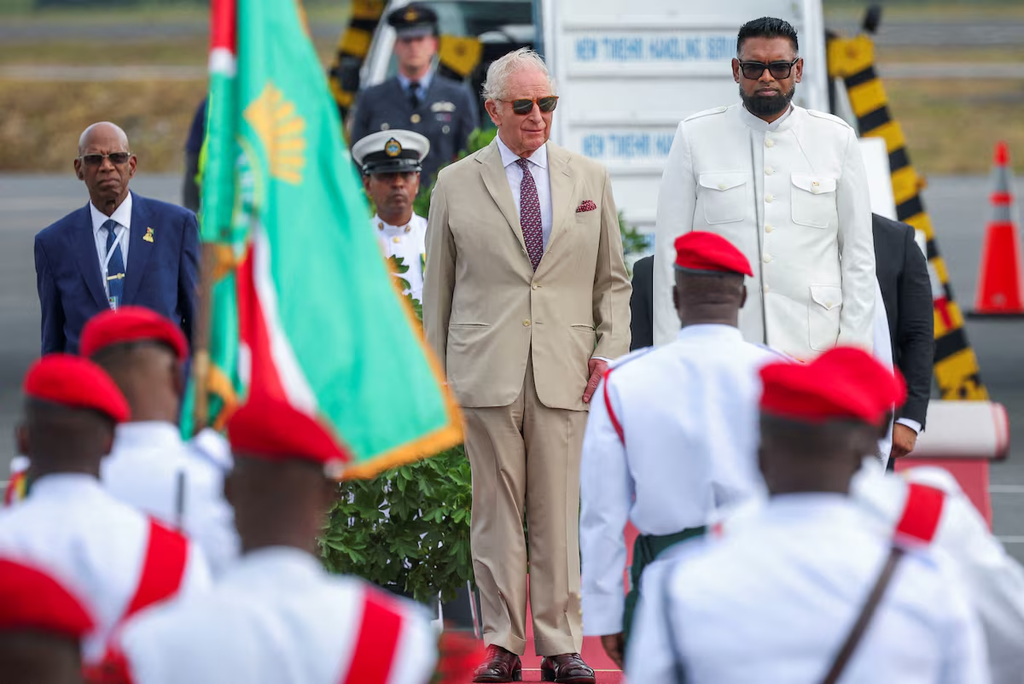
As the Commonwealth summit approaches in Antigua and Barbuda, King Charles III's words of sorrow over slavery face scrutiny amid a growing reparations movement. The Caribbean leaders, backed by the Caribbean Community (CARICOM), are expected to demand reparations during the gathering. Buckingham Palace has ruled out an apology for Britain, which has consistently resisted financial reparations for its involvement in the transatlantic slave trade.
However, Charles expressed acknowledgment of past suffering and injustices at a recent speech in the Bahamas.
Critics argue that mere words of remorse are insufficient. Niambi Hall Campbell-Dean, chair of the Bahamas' National Reparations Committee, demands action commensurate with the magnitude of the harm caused. Protesters gathered in Georgetown, Guyana, ahead of the king's arrival, emphasizing that no apology can undo the stolen legacy.
The transatlantic slave trade, spanning the 15th to the 19th century, resulted in the forced migration of an estimated 12.5 million Africans by European traders, with Britain transporting 3.2 million.
Historians like Alan Lester from the University of Sussex caution that opponents of reparations have oversimplified the concept, often arguing that it involves merely writing a check—a notion unlikely to be embraced by Western governments. Instead, Caribbean leaders propose debt relief, development finance, education, healthcare, and climate resilience measures to address the inequalities stemming from slavery and colonialism.
Royal commentator Afua Hagan believes that King Charles III finds himself in a challenging position. While expressing sorrow is possible, an apology holds greater weight in healing historical wounds. Buckingham Palace acknowledged Charles' support for research examining the monarchy's ties to slavery following a Guardian article about a historical document revealing connections.
A forthcoming book by independent researcher Desiree Baptiste will cite government records showing that profits from enslaved labor funded royal residences. The Royal Collection Trust, responsible for the king's artworks and objects, stated that ongoing research keeps its records "continually under review."
Written by urgent.news from MyJoyOnline Ghana's reporting — not their text. Machine-written — may contain errors; check the original before relying on it.