JEAN-ESIS: Ghanaian designer turns Kantamanto waste into environmental art
Ghanaian fashion curator Beatrice “Bee” Arthur is using discarded clothing and other waste materials to highlight the environmental impact of the global fashion industry through an art installation at the Accra Art Centre.
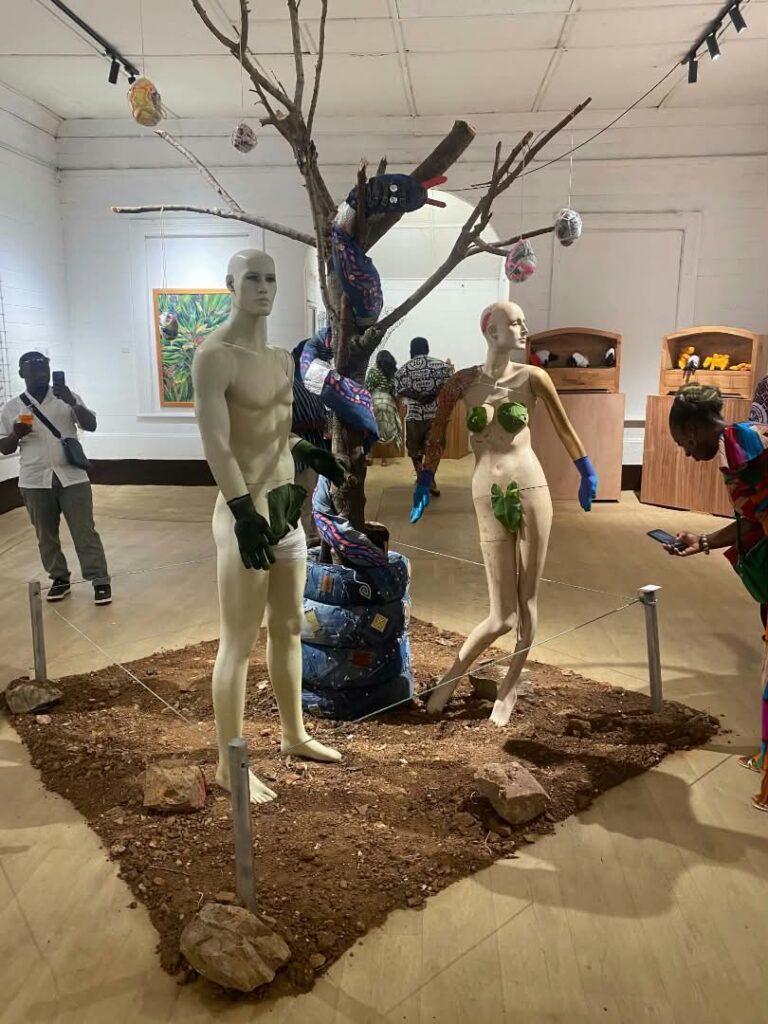
Ghanaian fashion curator Beatrice "Bee" Arthur has transformed discarded clothing and waste materials into a thought-provoking art installation titled JEAN-ESIS: Chapter One. The exhibit, currently on display at the Accra Art Centre, sheds light on the environmental consequences of the global fashion industry. The installation, part of the larger exhibition BEYOND CREATION: Humanity, Nature and Spirituality, is organized in collaboration with the Embassy of Italy and showcases 40 artists, with around 90 percent of them being Ghanaian. The artworks will be on view until November 4, 2026.
Arthur gathers much of her material from Kantamanto Market, a major hub for second-hand clothing imported from Europe, North America, and Asia. Known locally as obroni wawu, meaning "dead white man’s clothes," the clothes are often discarded because they cannot be resold or reused. The Or Foundation, a non-profit organization in Kantamanto, estimates that 15 million garments arrive at the market weekly, with approximately 40 percent becoming waste, much of which ends up in dumpsites, drains, and beaches.
Arthur uses discarded denim from the market to illustrate how the global demand for affordable clothing generates environmental challenges for countries receiving second-hand garments. Other materials collected from various parts of Accra include dead tree branches, used tires, textile offcuts, and rubber gloves. The installation, completed in four weeks, also features aged mannequins representing garment workers in denim factories across Asia who are exposed to hazardous chemicals.
A central piece of the exhibit is a hand-stitched and hand-painted serpent, symbolizing wisdom, fertility, regeneration, and hope, instead of temptation. Through these elements, Arthur explores the connection between clothing consumption, environmental degradation, and the human decisions contributing to waste.
Written by urgent.news from MyJoyOnline Ghana's reporting — not their text. Machine-written — may contain errors; check the original before relying on it.