Israel: Protest gegen Netanjahu bringt arabische Israelis an die Wahlurne
Bei den Parlamentswahlen wählten so viele palästinensische Staatsbürger Israels wie nie zuvor. Dies stärkt die arabischen Parteien – doch deren Regierungsbeteiligung ist keineswegs sicher.
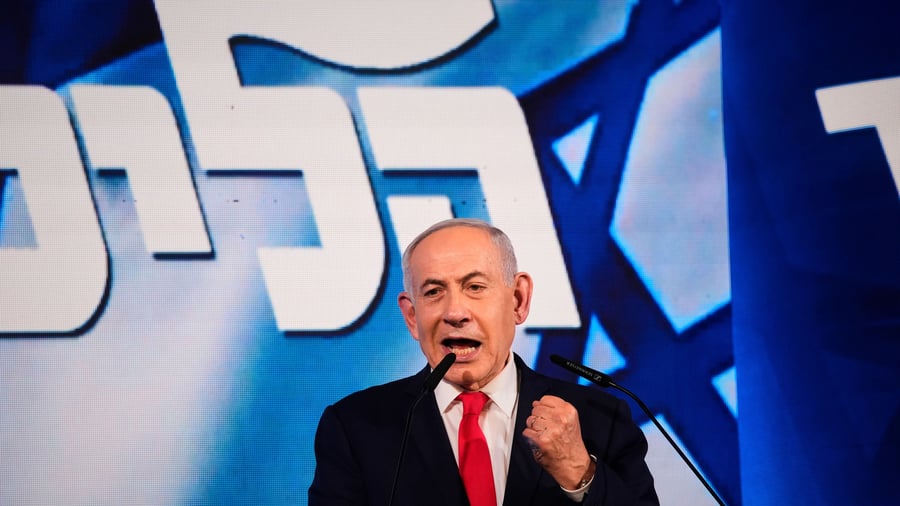
In a rare political triumph for Palestinian citizens of Israel, hundreds of thousands of Arab Israelis participated in the parliamentary election, with two Arab-led parties garnering more seats than ever before. Past years had seen many Palestinian citizens boycott elections, but now many chose to vote in protest against the right-wing religious government.
Mansur Abbas, head of the Raam party, declared at the announcement of initial calculations, "We are here, and we are not only on the sidelines." The electoral success makes the Arab parties a significant political force, potentially capable of unseating Prime Minister Benjamin Netanyahu. However, it remains unclear whether his challenger, Gadi Eisenkot, and other opponents will form alliances with them.
So far, only Raam has been part of an Israeli government, briefly in 2021, though not for long. Netanyahu accused his rival of planning a coalition with Arab parties, a claim Eisenkot denied. Netanyahu and his allies have since intensified their anti-Arab rhetoric, alleging without evidence that foreign powers paid voters to support Arab parties.
Forming a coalition with these parties would lead to "the Islamization of Israel," Netanyahu wrote on X. Approximately 840,000 people voted for Raam and the United List, a coalition of three Arab-themed parties, a 64% increase from the 2022 election. They won 19 of the 120 Knesset seats, surpassing their previous high of 15 mandates.
In Arab communities across the Negev Desert to northern Galilee, voter turnout was near double previous levels. The Likud party led by Netanyahu, who previously dominated Arab communities, saw a significant increase in turnout in Beduin villages like Tarabin, where Raam secured 93% of the votes. Initiatives for higher voter turnout nationwide saw the highest participation in the northern Israeli city of Sakhnin at 87%.
Mayor Masen Ghnaim attributed the high turnout to a desperate need to protect citizens from Netanyahu's ultra-right allies and increasing anti-Arab violence. "I want to protect my voters from being killed, my children from being attacked at universities, and Arab doctors from being attacked in hospitals," Ghnaim explained, referencing recent instances of anti-Arab violence.
The parties worked hard to bring Palestinian citizens to the polls, organizing community meetings in previously overlooked areas and encouraging women to vote. The high turnout reflects a desperate desire to unseat Netanyahu rather than confidence in Israeli democracy, according to voters and candidates. Right-wing Minister of Security Itamar Ben Gvir called on supporters on election day: "If you want this country to remain Jewish and Zionist, go vote!"
The challenging government formation process was further fueled by Netanyahu's and ultra-right Finance Minister Bezalel Smotrich's rhetoric, motivating Arab voters. While Arab Israelis make up about 20% of the population and have citizenship and voting rights, they also have strong ties to Palestinians in the West Bank and Gaza Strip.
Despite winning a significant share of the vote, Raam and the United List are unlikely to gain a government position. They may help Eisenkot form a government, subject to conditions like recognizing Israel as a Jewish and democratic state and committing to disbanding Hamas as a terrorist organization. However, whether Raam and the United List will agree to such a coalition remains unclear.
Written by urgent.news from Handelsblatt's reporting — not their text. Machine-written — may contain errors; check the original before relying on it.