Iran offers 48-hour Hormuz reopening plan as Trump signals progress in talks
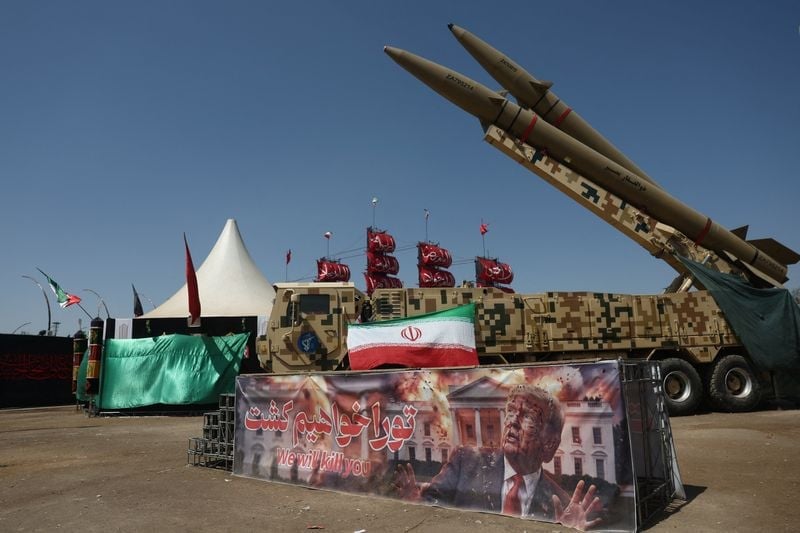
Iran has proposed reopening the Strait of Hormuz within 48 hours if Washington meets its conditions, marking a potential breakthrough in talks aimed at ending the ongoing conflict. Iranian Foreign Minister Abbas Araghchi revealed that Qatar's mediation had shortened Tehran's initial seven-day reopening proposal, with the revised plan requiring the U.S. to take action on the first day and shipping to resume on the second day.
During a press conference, President Donald Trump stated that the negotiations were "going fine" and that Iran appeared eager for a deal, though he added that the U.S. was not in any rush to conclude the talks. Secretary of State Marco Rubio echoed these sentiments, emphasizing that Trump had yet to decide whether to launch fresh strikes and that a diplomatic settlement was still possible.
Iranian officials have outlined several demands, including sanctions relief, the release of frozen funds, restoration of oil waivers, and recognition of a shipping route that includes Oman. Additionally, Iran seeks a reduced U.S. military presence in the region and an end to attacks on Lebanon. Iranian security chief Mohsen Rezaei acknowledged that a letter from Vice President JD Vance indicated a more conciliatory U.S. tone, but he insisted that Tehran would not reopen Hormuz without its conditions being satisfied.
The diplomatic opening coincides with escalating military warnings. Supreme Leader Mohammadi Khamenei ordered commanders to prepare an immediate response to any attack without geographical limitations, while Iranian officials threatened strikes against a broader range of targets. In a separate incident, Iran's navy reported that a tanker caught fire after striking mines east of Hormuz, though they did not specify the vessel or report on the crew's condition.
Meanwhile, U.S. Central Command stated that its blockade of Iranian ports had rerouted 144 commercial ships, underscoring the risks to shipping and potential disruptions to global energy supplies.
Despite these developments, the coming days may determine whether the proposed shipping arrangement can advance. The resolution of the disputes between Washington and Tehran will be crucial in preventing any further escalation and ensuring the stability of the region's vital waterway.
Written by urgent.news from Investing.com's reporting — not their text. Machine-written — may contain errors; check the original before relying on it.