Innocent People Are Being Accused of Shoplifting by Faulty AI-Facial Recognition Systems at an Alarming Rate
"It's the stuff of Kafkaesque nightmares." The post Innocent People Are Being Accused of Shoplifting by Faulty AI-Facial Recognition Systems at an Alarming Rate appeared first on Futurism .
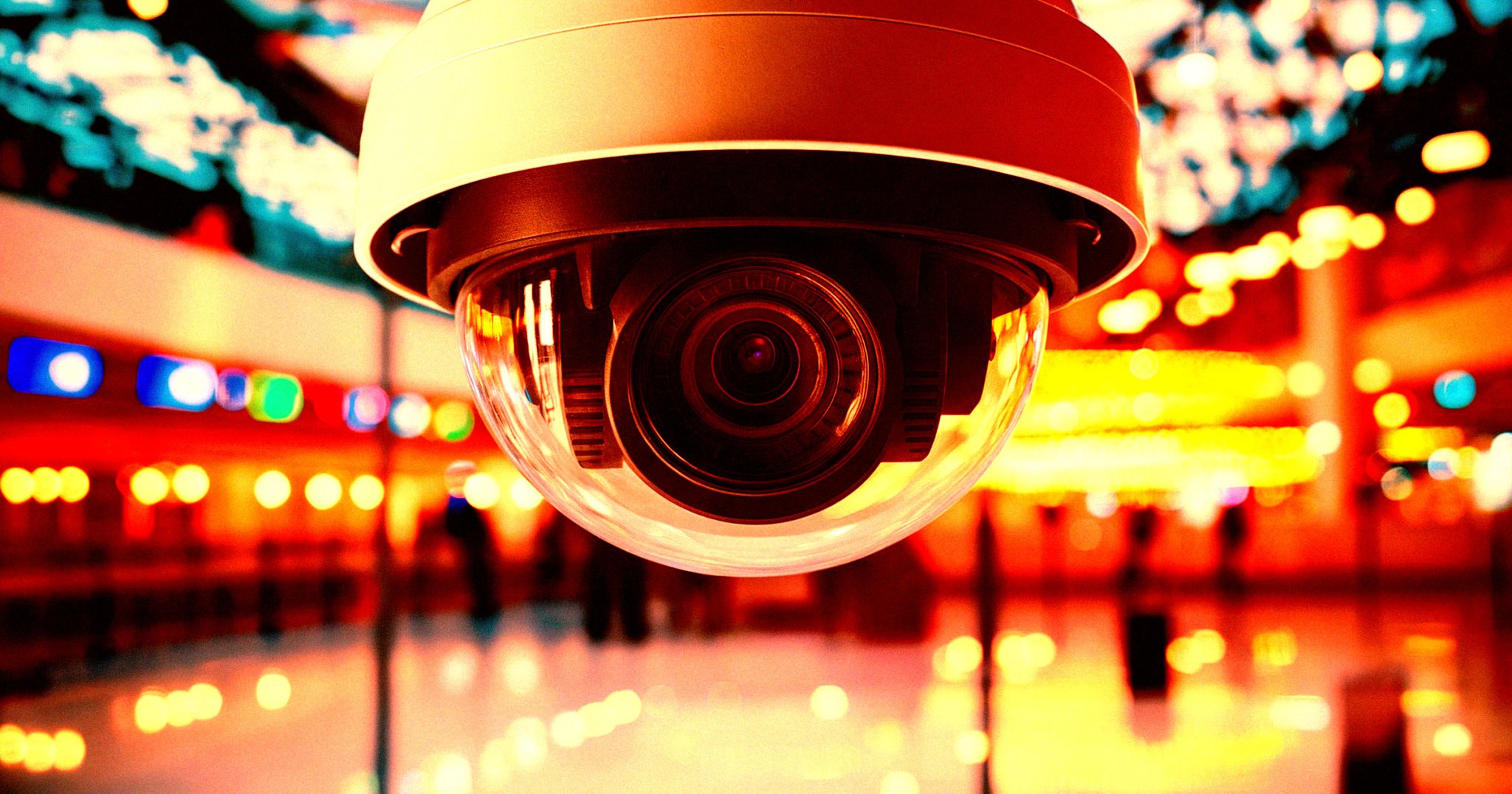
AI-facial recognition security systems, found in retail stores worldwide, are increasingly prone to making false-positive matches, resulting in innocent individuals being wrongfully accused of shoplifting. In the United Kingdom, these surveillance systems have led to a surge of customers being falsely accused of shoplifting, causing distress and feelings of violated privacy.
Mary, a woman who shared her experience with TechRadar, explained how her husband was socially isolated after being wrongly flagged as a shoplifter at a Home Bargains store for purchasing vitamins. The accusation forced them to leave the store, with no opportunity to refute the claim. The man expressed feeling scared to enter any shop afterwards.
Another individual reported being "shaking from head to toe" after his wife was removed from a Budgens chain store for allegedly stealing "loads of meat" days prior. However, they hadn't set foot in the store for months, complicating the situation further.
The article highlights the complexity and bureaucracy that innocent people face when falsely accused of shoplifting. In the UK, those wrongfully accused can file Subject Access Requests, or SARs, akin to US-Freedom of Information Act requests for private companies. While the option technically exists, the process is a significant undertaking for the hope of clearing one's name, requiring further personal information to be handed over to private companies.
Jack Coulson, head of advocacy at civil liberty group Big Brother Watch, described the situation as "the stuff of Kafkaesque nightmares," where individuals are trapped in a maze of bureaucracy and forced to hand over even more personal data to be told the accusation.
Written by urgent.news from Futurism's reporting — not their text. Machine-written — may contain errors; check the original before relying on it.