India can become the world’s start-up IPO hub; 25–30 AI unicorns by 2030: Peak XV’s Rajan Anandan
Govt support should combine grants for AI start-ups and researchers with long-term commitments, says Anandan
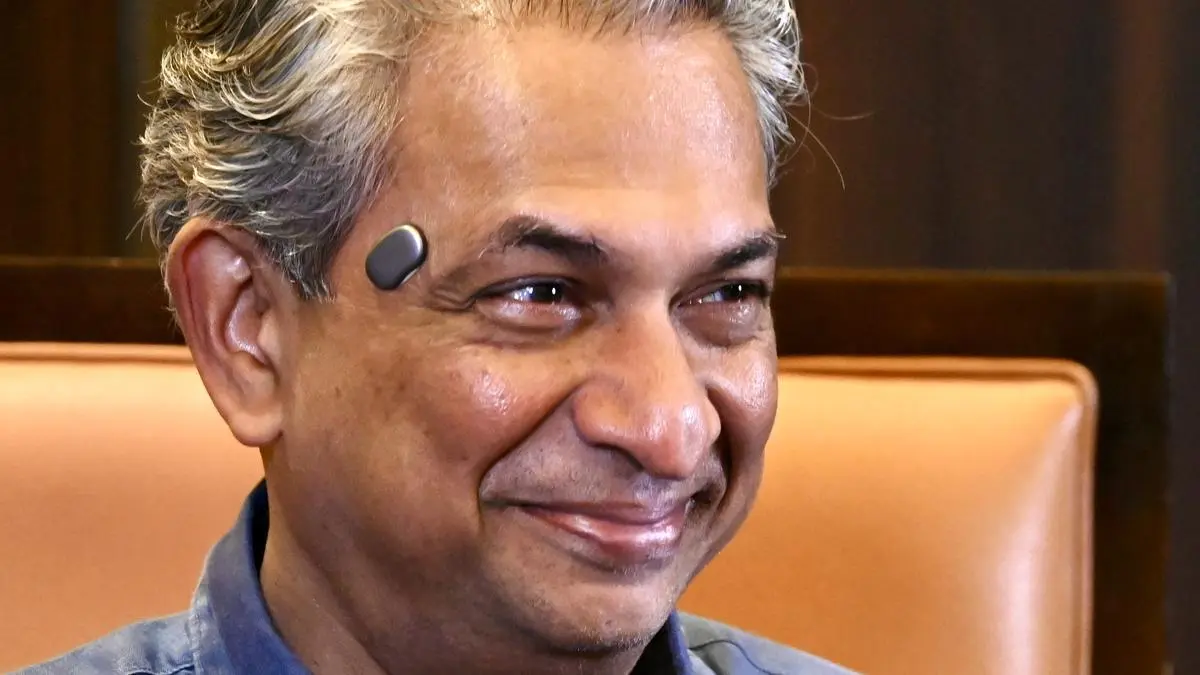
Rajan Anandan, Managing Director of Peak XV Partners, believes India has the potential to become the world's startup IPO hub. Despite the current market not being optimal, Anandan asserts India is currently the leading IPO market for startups globally. Since 2021, the market has seen a significant opening for startups, with Peak XV taking 38 companies public, including eight to nine IPOs in the last 18 months and six in calendar year 2025.
Anandan is optimistic about India's AI sector, predicting the country could have 25-30 AI unicorns by 2030. He emphasizes the importance of reasonable valuations, profitability, and consistent execution in driving these companies' growth. Anandan also discusses India's potential as a deep tech hub, particularly in Chennai, but acknowledges the need for more R&D funding.
He points out that India currently spends only 0.65% of its GDP on R&D, significantly less than China and the US. Anandan highlights the need for a larger pipeline of researchers to commercialize scientific advancements and expresses Peak XV's intention to expand their deep tech strategy into areas such as semiconductors, space tech, and AI.
Rewritten by urgent.news; may contain errors — check the original.
Source: thehindubusinessline.com