I audited my home for a 3-day blackout: 5 critical things I completely missed
How ready is your home for an extended power cut? 5 essential blind spots to check today.
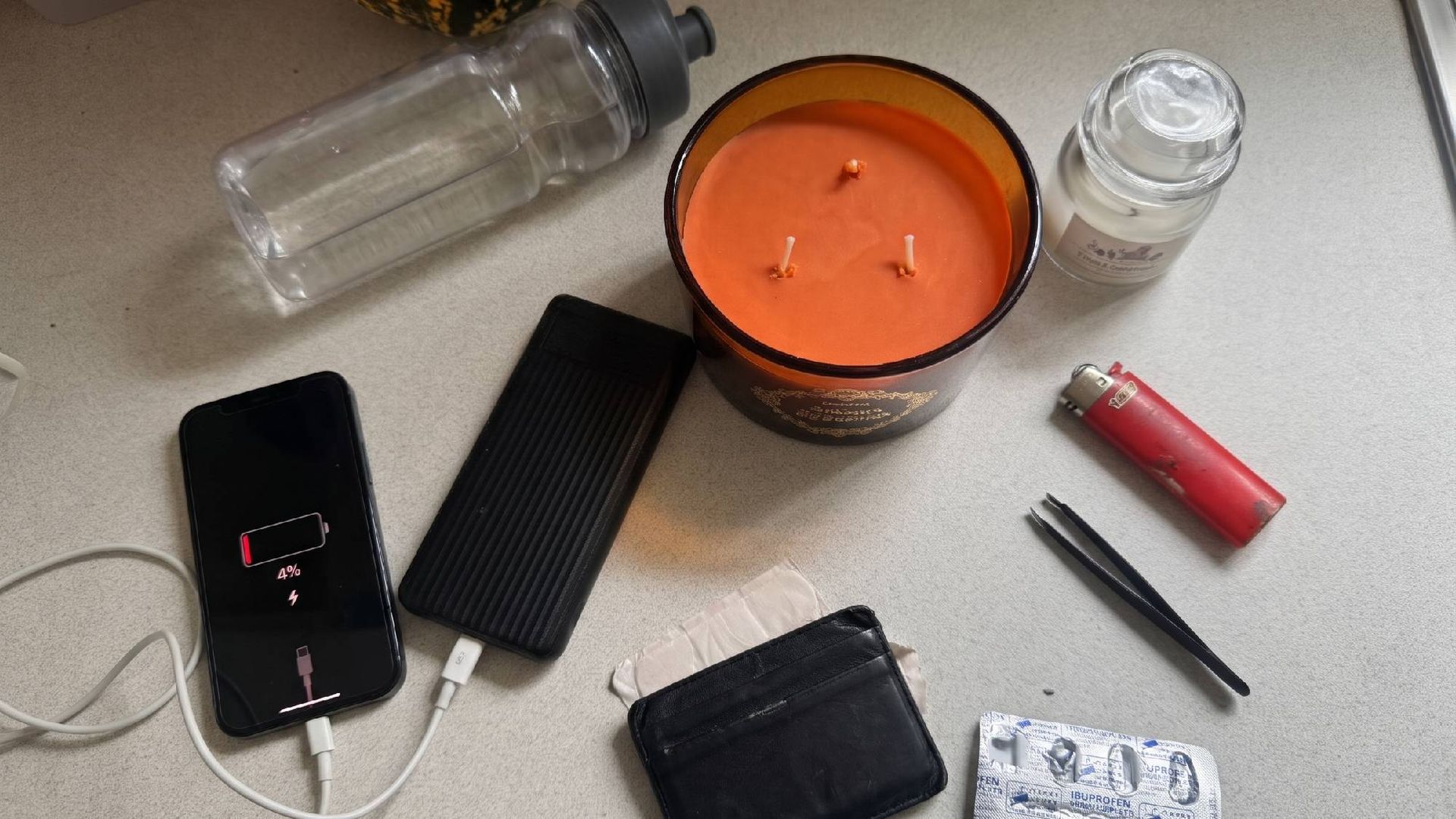
During an in-depth examination of my home to prepare for a possible three-day power outage, I discovered several critical gaps in my readiness. Here are the five key areas I overlooked:
1. Flashlights and lighting: My only "light" sources were a phone and a handful of candles. In a complete darkness scenario, a phone's flashlight drains its battery, leaving me without any illumination. Instead, it's recommended to use dedicated LED lights or magnetic lanterns for easy access in the dark. An emergency radio with a built-in dynamo can also serve as a manual charger for devices.
2. First aid kit inadequacy: My first aid kit contained only a few items, including bandages and ibuprofen. During a power outage, the need for medical assistance is likely to increase, and clinics may not operate at full capacity. It's advised to have a comprehensive, sealed multi-day medical kit containing sterile dressings, burn gel, antiseptic wash, and elastic wraps.
Check your prescription medications and set reminders to refill them before they run out, as pharmacies might not have electronic dispensary records during a power cut.
3. Cooking facilities: While my fridge was full, it could only maintain safe temperatures for about four hours before food safety becomes a concern. My pantry was stocked with dry pasta, lentils, and rice, which require boiling water and an electric stove. To avoid this issue, focus on storing ready-to-eat staples such as crackers, canned fish, peanut butter, and other non-perishable items that don't require heat or water to prepare.
4. Water supply: Municipal water relies on electric booster pumps, so during a power outage, pipe pressure drops and boil-water alerts might be issued. My water reserve was minimal, with only half a fridge filter carafe and a gym bottle. It's essential to store at least one gallon of water per person per day for drinking and basic hygiene needs.
For a 72-hour blackout, this equates to a minimum of 12 liters per person. Don't forget that water heaters can also store significant amounts of water (150-300 liters) and should be included in calculations.
5. Cash reserves: With power outages, card machines and digital payment systems go offline, leaving cash as the only viable option. My wallet contained no physical money. It's crucial to withdraw an emergency cash reserve, typically between $100 and $500 depending on your family size, to cover essential expenses if card systems remain offline for several days. If withdrawing all at once is not feasible, start setting aside leftover change to accumulate a reserve over time.
Written by urgent.news from Tom's Guide's reporting — not their text. Machine-written — may contain errors; check the original before relying on it.