How could a single gene-editing injection treat inherited eye diseases?
In the third of a four-part Health Matters wellness series on frontier medicine in Hong Kong, Fiona Sun examines how a local start-up is testing a gene-editing therapy that could tackle a group of inherited eye diseases at their genetic source and what it will take to turn it into a treatment patients can access. For 15 years, Professor Zheng Zongli has worked to make gene-editing therapies safe…
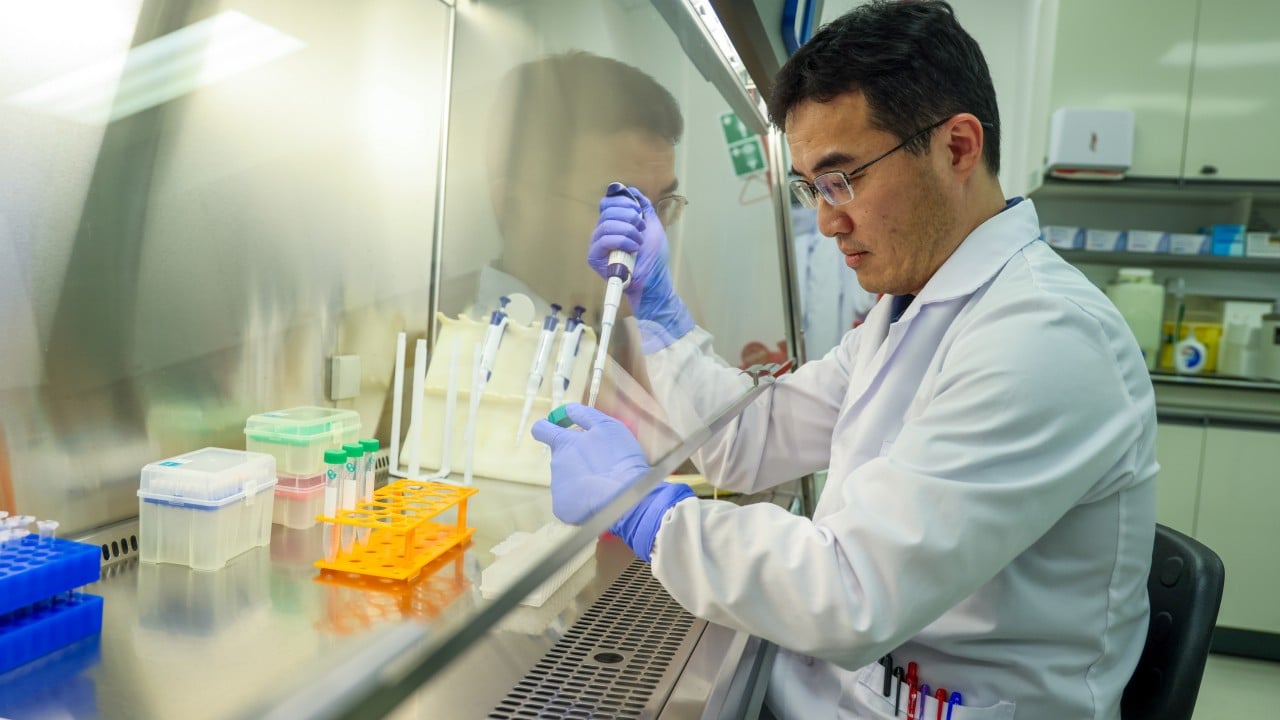
Professor Zheng Zongli and his team at GenEditBio are investigating a groundbreaking gene-editing therapy that could treat inherited eye diseases at their source. TGFBI-related corneal dystrophies, which affect about 0.2% of Asian populations, cause progressive clouding of the cornea and gradual vision loss. Existing treatments involve corneal transplants or lasers to remove damaged tissue, but neither can cure the condition.
Zheng's company is testing GEB-101, a single injection of a CRISPR-Cas genome-editing drug aimed at stopping the production of the harmful protein at its genetic origin. In monkey studies, GEB-101 achieved over 80% gene-editing efficiency, significantly reducing recurrence rates. The treatment has been tested on six patients in mainland China, all of whom reported positive outcomes.
The therapy's safety is a primary concern, with the gene-editing protein degrading within a day of use. GenEditBio has developed a proprietary delivery system to ensure effective and rapid degradation of the treatment.
Written by urgent.news from South China Morning Post's reporting — not their text. Machine-written — may contain errors; check the original before relying on it.