Here's Why Your Favourite Dish Never Tastes The Same At Every Restaurant
A diner ordering butter chicken, dal, ramen or a birria taco might reasonably expect familiarity: the same ingredients, the same established method, perhaps even the same name. Yet taste a version at another restaurant and the difference can be striking. The reason is simple, chefs say: recipes are frameworks, not mathematical equations. That difference is not necessarily inconsistency; it can be…
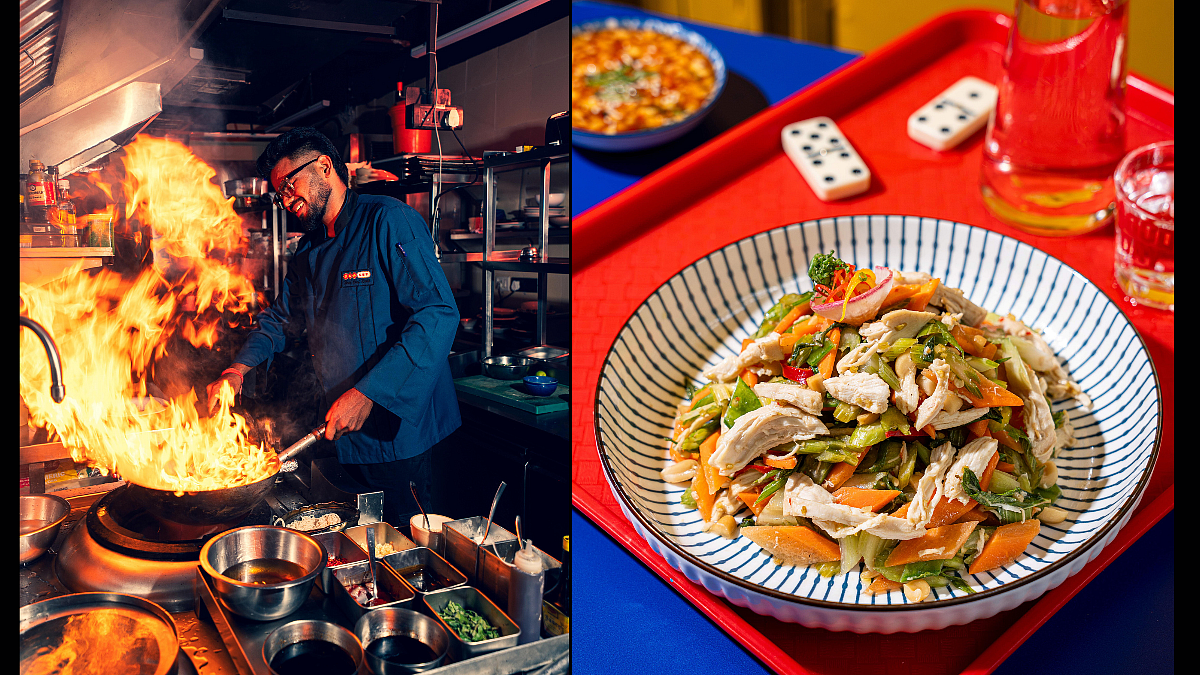
Feeling a favorite dish at different restaurants can be an unusual experience. Despite the same ingredients and established methods, the taste can be quite distinct. Chefs reveal that recipes are not exact formulas, but rather frameworks for execution. Chef Vishal Chandnani, culinary director at The Orchid Hotel Mumbai, likens a recipe to a guide, where taste hinges on factors like ingredient quality, seasoning, and cooking techniques.
Even minor adjustments in salt, oil, or spices can significantly alter the dish's balance. Heat control plays a crucial role too, as it can transform flavors and textures, making the culinary process more like a journey than a fixed route. At Hearth On The First in Mumbai, co-founders Chef Dhriti and Chef Sabby compare the recipe to a blueprint, emphasizing that differences arise from chefs' instincts, raw materials, and personal touch.
Factors such as cooking time, seasoning, and ingredient proportions all contribute to the final outcome. Chef Rinchen Angchuk, co-founder of YUME Culinary Hospitality LLP, adds that culinary and product knowledge are essential for chefs to understand how each ingredient contributes to the dish. He also stresses the importance of controlling oil, sugar, salt levels, and serving temperature.
Thus, two chefs following the same recipe can still produce divergent results. Ingredient selection is crucial, as chef Ameya Prachand of TAB - The American Buzz notes that even the choice of chillies can impact the birria sauce for tacos. Similarly, SEA SEE's Rinchen Angchuk points out that variations in soy sauce, basil, and chillies can affect the final taste.
Water quality and preparation methods also play significant roles, as heavy-bottomed pans or different cooking equipment can alter heat distribution. Ultimately, traditional dishes have a benchmark, but there is no universally correct taste. Chefs bring their personal touch, influenced by tradition, cultural background, and previous experiences. While there may be one defining taste of a dish, every chef's signature style makes it unique.
Written by urgent.news from Free Press Journal's reporting — not their text. Machine-written — may contain errors; check the original before relying on it.