Here's what your Fitbit heart rate variability actually tells you
Your Fitbit's HRV reading can offer clues about stress and recovery, but your usual numbers matter more than anyone else's.
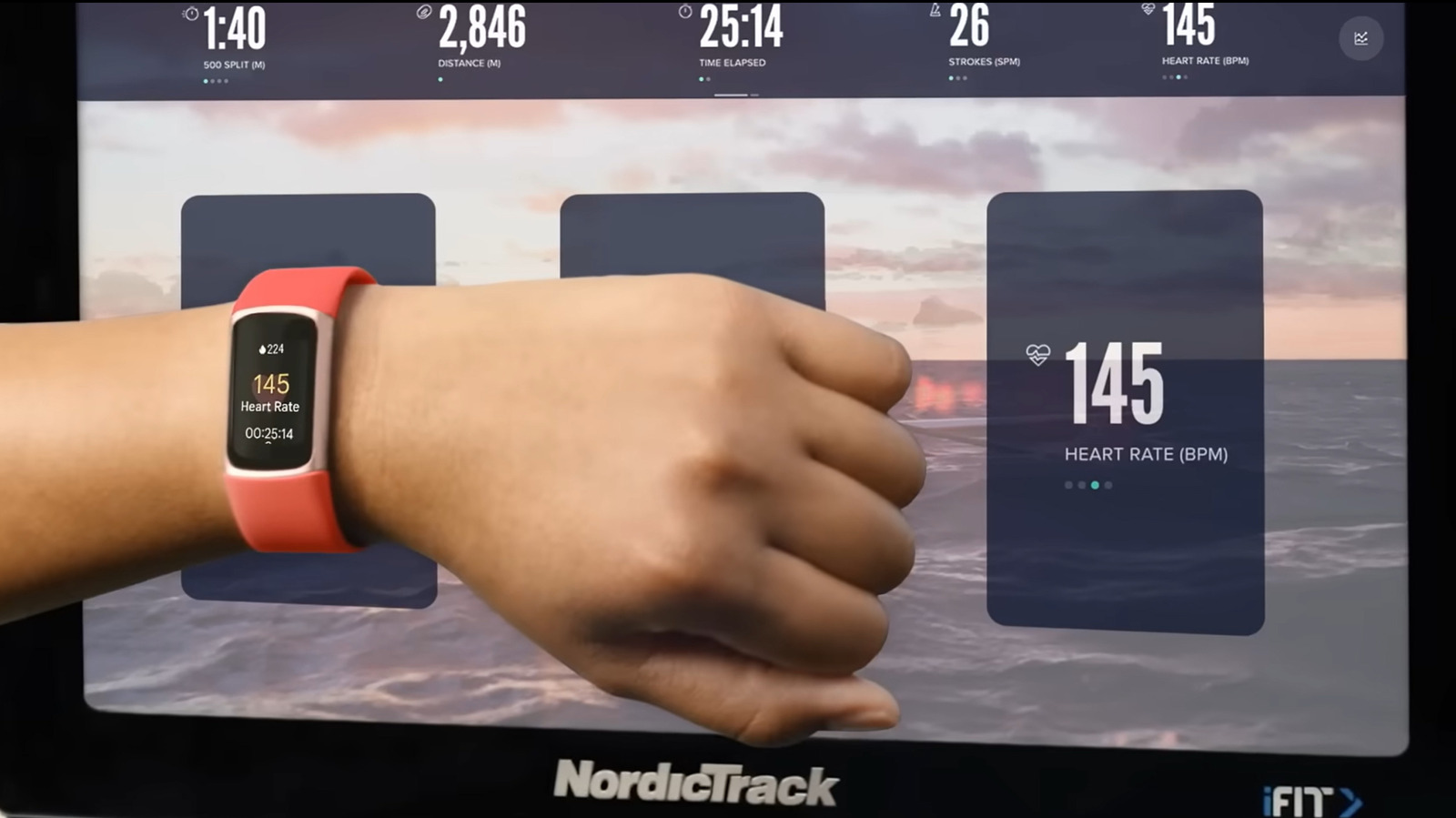
Your resting heart rate and heart rate variability (HRV) figures from your Fitbit are more personal than anyone else's. A resting heart rate reading of 62 beats per minute (bpm) is straightforward, but HRV - measured in milliseconds (ms) - is a bit more complex. HRV reflects the time intervals between your heartbeats and provides insight into your body's reaction to stress and recovery. However, comparing your HRV to someone else's is not particularly meaningful.
Your own HRV numbers, especially how they fluctuate over time, are far more revealing. A bpm of 60 is an average, not a guarantee of consistently timed beats. Even the smallest variations in heart rate are tied to your autonomic nervous system, which governs your body's response to stress and relaxation. Fitbit estimates these intervals using its optical heart rate sensor. Google then calculates HRV with a technique called root mean square of successive differences (RMSSD), resulting in a figure measured in milliseconds.
This HRV measurement differs from your heart rate, which you can observe during exercise. Fitbit uses the longest uninterrupted sleep period from the past 24 hours to compute HRV, requiring periods longer than three hours for a valid reading. If your sleep was insufficient or the sensor couldn't gather enough data, you won't see an HRV reading.
Your HRV numbers can be accessed in Google Health (previously the Fitbit app) under Health Vitals Heart rate variability. Over longer periods, you can observe trends and set personal ranges based on up to 30 days of data.
Compatible devices can track basic HRV without a Google Health Premium subscription. Google doesn't assign a specific "good" HRV value, as age, fitness level, and individual physiology all influence the reading. A normal HRV might be around 25ms for you, making 20ms fairly typical, but if your HRV is typically closer to 70ms, then 20ms would be quite unusual.
HRV can fluctuate due to poor sleep, intense workouts, stress, or alcohol use. A consistent decrease in HRV might be worth noting, particularly if your resting heart rate or sleep patterns are also changing.
A persistent decline in HRV shouldn't be immediately alarming if it coincides with a lower resting heart rate or sleep patterns. Google's Readiness score, which estimates your recovery status, uses HRV along with resting heart rate and sleep data to gauge recovery. A Readiness score below 30 is considered low. However, the accuracy of Fitbit's HRV readings has been questioned.
A 2024 study on the Fitbit Charge 4 found that the device tends to underestimate HRV. Factors like sensor placement and movement can affect optical readings, while an ECG provides a direct measurement of the heart's electrical activity. Comparing HRV readings across different brands isn't straightforward, as Apple Health uses a different HRV calculation (SDNN) on the Apple Watch 12.
Ultimately, while your Fitbit can monitor changes in HRV, it can't pinpoint the exact cause. If these changes are persistent, especially when accompanied by symptoms, it's advisable to consult a healthcare provider.
Written by urgent.news from Engadget's reporting — not their text. Machine-written — may contain errors; check the original before relying on it.