Haley Stevens Is Sending the Wrong Message
In trying to stand up for one minority religious group she is conveying her comfort with bigotry towards another.
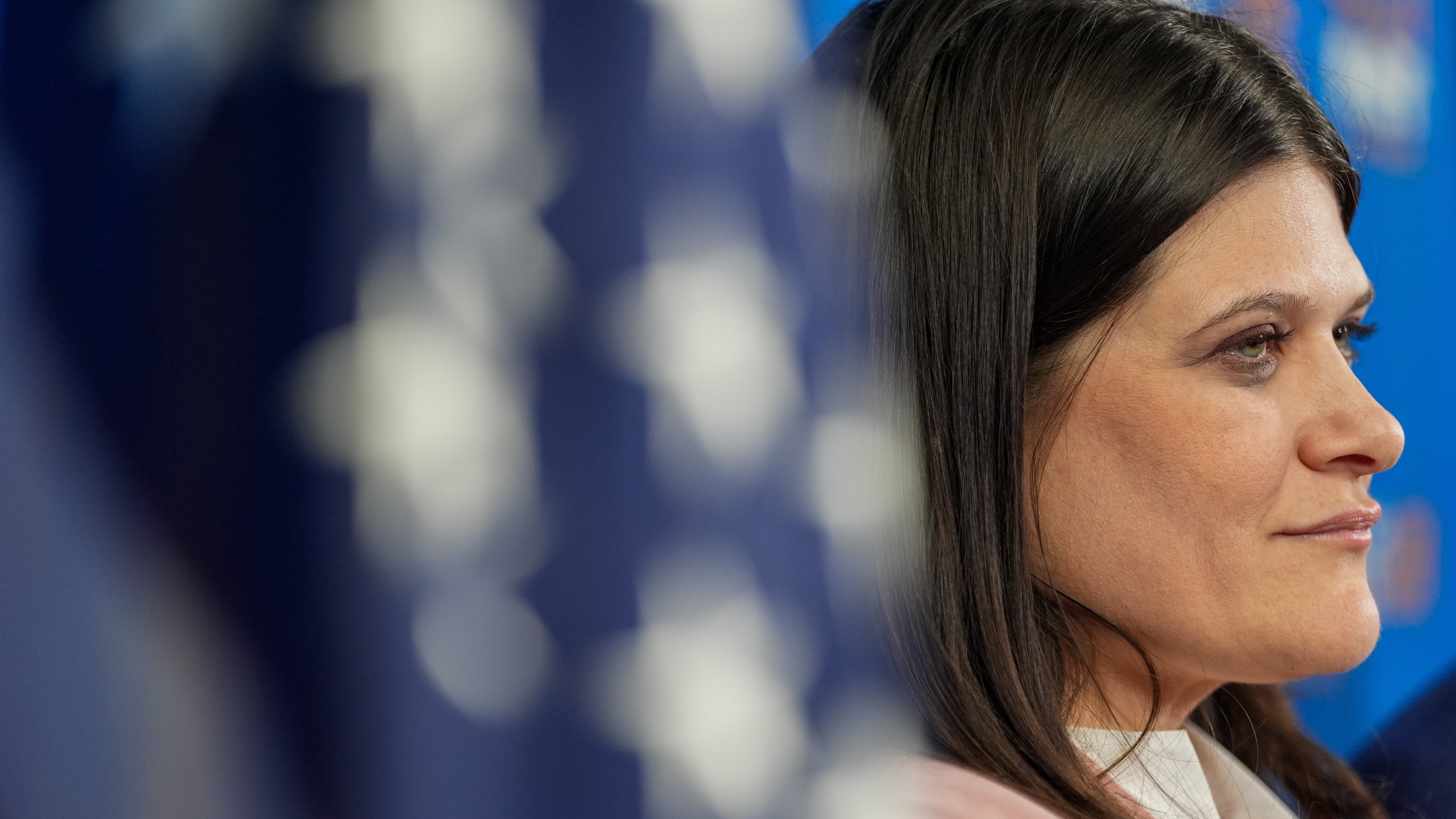
Haley Stevens nearly secured the Democratic nomination for senate in Michigan in August, only to endorse the winner Abdul El-Sayed. Since then, Stevens has vacillated between doubts about El-Sayed's campaign and maintaining her support. However, her most recent endorsement of El-Sayed's opponent, Mike Rogers, two days before the election, has raised eyebrows.
While some view this as opportunism or political stupidity, Stevens seems to be making a principled stand against El-Sayed's rhetoric and associations that are threatening to Michigan's Jewish population. Stevens claims that El-Sayed overlooks bigotry in his allies due to political convenience. However, her own endorsement of Rogers follows the same pattern.
Growing up in West Bloomfield, a heavily Jewish suburb of Detroit, Stevens knows many Jewish Michiganders who are concerned about El-Sayed's stance on Israel. El-Sayed has elevated anti-Zionism to the forefront of his campaign, treating the Israel lobby as the sole cause of America's economic and political problems. He has even associated with anti-Semitic figures, such as Amir Makled and Hasan Piker.
After facing criticism, El-Sayed apologized for his response to a terrorist attack on a Jewish nursery school, but he has since made little effort to address the concerns of Michigan's Jewish community. Stevens, who has principles against religious and ethnic intolerance, seems to apply her values selectively. While she condemns El-Sayed's rhetoric, she has not spoken out against the anti-Semitic attacks on El-Sayed from Donald Trump. This inconsistency undermines the values Stevens claims to uphold.
Written by urgent.news from The Atlantic's reporting — not their text. Machine-written — may contain errors; check the original before relying on it.