Gulf States proved resilience in confronting mounting security, economic challenges: GCC Secretary-General
<p>Manama: Secretary-General of the Gulf Cooperation Council (GCC), Jasem Mohamed Albudaiwi, underscored that member states have invariably demonstrated their ability to manage crises efficiently and effectively, sustain economic resilience, and maintain development momentum amid the region's extraordinary developments and mounting security and economic challenges.</p> <p>Albudaiwi made the…
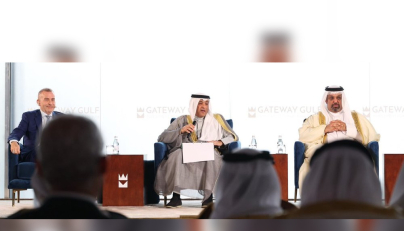
Manama, Bahrain - The Secretary-General of the Gulf Cooperation Council (GCC), Jasem Mohamed Albudaiwi, highlighted the region's remarkable resilience in the face of rising security and economic challenges. Speaking at a session during the fourth Gulf Gateway Forum in Bahrain, Albudaiwi emphasized that GCC member states have consistently shown their ability to handle crises effectively while maintaining economic growth and development.
The Iranian attacks on GCC states, Albudaiwi explained, introduced unprecedented difficulties that reverberated across various sectors, including energy, transport, logistics, and supply chains. Despite these hurdles, the GCC nations exhibited remarkable unity and the capability to mitigate the consequences of the attacks through close cooperation, strengthening institutional readiness, and preserving economic operations and essential services.
Albudaiwi stressed that this experience underscored the fact that Gulf integration is no longer just a development option, but a strategic imperative to protect national achievements and reinforce collective abilities to respond to crises. The leaders of the GCC states, he noted, had outlined a clear path for enhancing joint Gulf action during their 19th Consultative Meeting in Jeddah last April.
Their directives called for advancing strategic and integration projects, developing interconnected transport and logistics systems, strengthening connectivity in energy and water sectors, and reinforcing defense and security cooperation.
Recognizing the Strait of Hormuz as a crucial artery of the global economy, Albudaiwi stressed that ensuring its security and maintaining safe navigation through it is a shared international responsibility due to its significance for energy flows, international trade, and global market stability. He stressed that any threat to freedom of navigation in this international waterway could have far-reaching consequences beyond the region, impacting the global economy at large.
Albudaiwi called upon the international community to enforce United Nations Security Council Resolution 2817 of 2026, which emphasized the importance of preserving freedom of maritime navigation, securing international waterways, and preventing the weaponization of these waterways as tools for pressure or threats. Despite the numerous challenges they have encountered, Albudaiwi affirmed that GCC states remain firmly dedicated to advancing their development goals and strengthening their international collaborations, driven by the belief that security, stability, and economic growth are inseparable foundations for prosperity.
Written by urgent.news from The Peninsula Qatar's reporting — not their text. Machine-written — may contain errors; check the original before relying on it.