Google says Googlebook ‘detachables’ are coming soon
At the Android Dev Summit 2026 earlier this week, Google said that Googlebook detachables will be the next form factor after clamshells and convertibles. more…
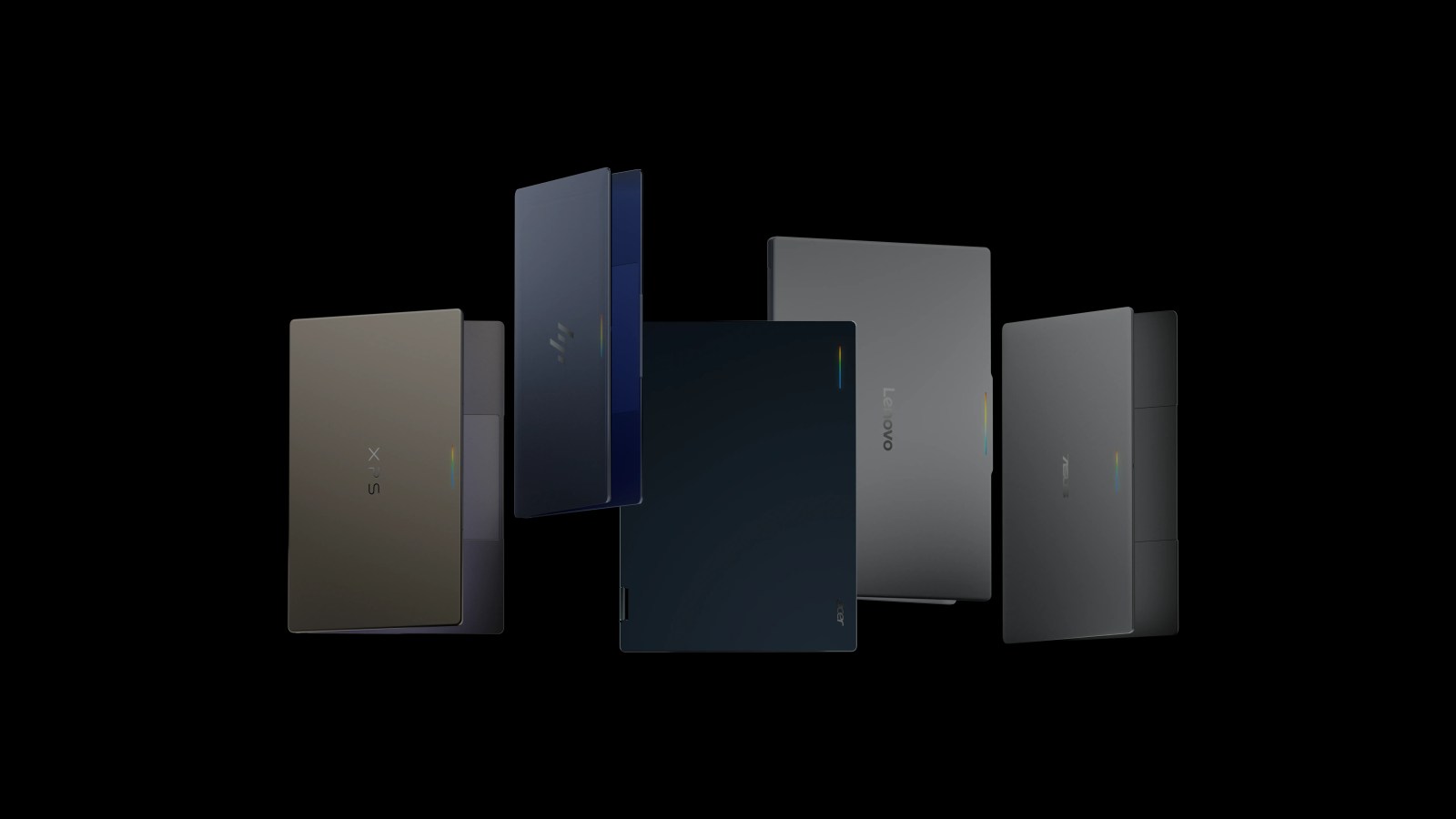
At the Android Dev Summit 2026, Google announced that detachable devices will be the next form factor following clamshells and convertibles. This revelation during the Wednesday developer keynote presentation is not unexpected, as leaks earlier in the year have hinted at such a development. During the keynote, Google emphasized the span of their Googlebook form factor across various screen sizes, including clamshells, convertibles, and the soon-to-be-released detachables.
At launch, four out of the five devices will be clamshells. The Acer Googlebook 14, priced at $899, serves as the sole convertible, offering a 2-in-1 form factor that can switch between laptop, tent, and tablet modes. However, there are certain limitations at launch, indicating that Google still needs to address a few issues before launching a pure detachable device.
Currently, the fullscreen applications can open in portrait mode on the tablet, but the Googlebook OS's homescreen, desktop, Overview, and app tray are only accessible in landscape mode. The first Googlebook detachable is anticipated to come from Lenovo, as indicated by a July leak. This device will feature both a detachable keyboard and kickstand, along with a Glowbar beside the camera.
This leaked device accompanied a laptop that is smaller than the current 15-inch model. As Googlebook OS gets introduced to tablets, questions arise about the operating system for high-end Android tablets in the future. While Android tablets will likely still have a significant role, Googlebook OS could potentially provide a more desktop-like experience as Google continues to refine its offerings. For additional news, viewers are directed to 9to5Google on YouTube.
Written by urgent.news from 9to5Google's reporting — not their text. Machine-written — may contain errors; check the original before relying on it.