Glasgow museum removes Egyptian mummies because the dead had never given consent
Kelvingrove Art Gallery and Museum in Glasgow has taken several ancient Egyptian human remains off public display after deciding the […]
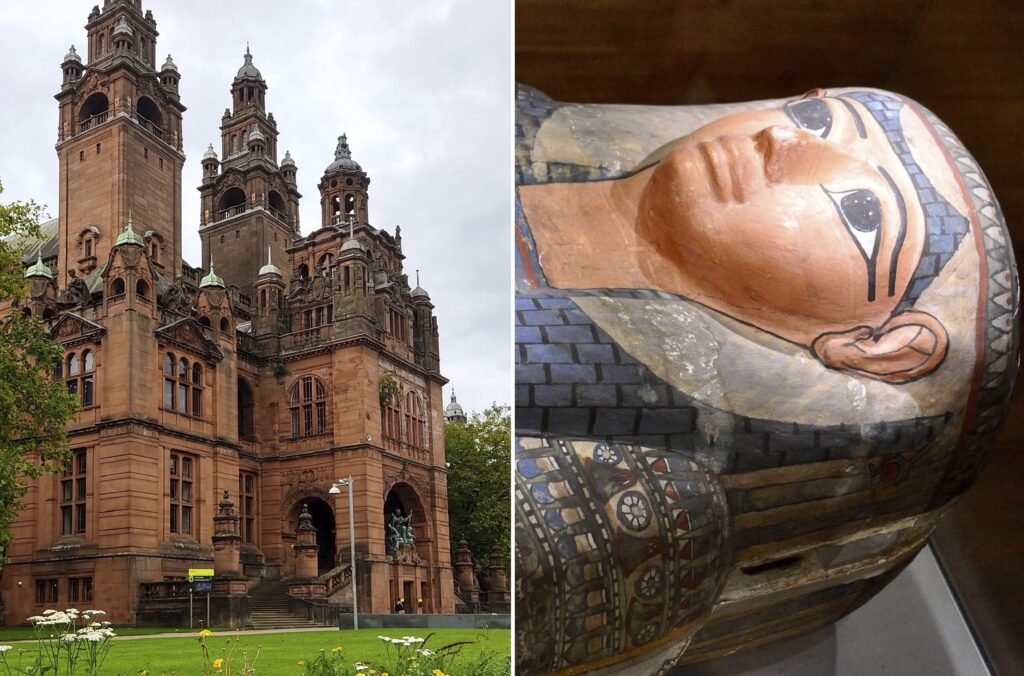
Kelvingrove Art Gallery and Museum in Glasgow has removed several ancient Egyptian human remains from public display, citing a lack of documented consent. Visitors now encounter empty cases and a notice stating: "We have removed human remains from this display as a mark of respect." The museum's action follows a draft policy requiring human remains to be displayed only with documented, informed consent from the deceased or their descendants.
Items taken down include the painted coffin and body of Nekht, an Egyptian priest from the Middle Kingdom period (1985-1797 BC) who was excavated at Beni Hasan and donated to Glasgow in 1923. A mummified right hand from the Valley of the Kings and a mummified male head and right foot have also been removed. Kelvingrove, which attracts over 1.3 million visitors annually, made the change evident.
Glasgow Life, the museum's operator, cited the International Council of Museums' revised Code of Ethics, which emphasizes respecting the dignity of human remains and promoting respect for their significance. Decisions regarding such material should involve descendants or communities of origin when identifiable. A 2025 report from the UK’s All-Party Parliamentary Group on Afrikan Reparations also criticized the practice, describing it as a disregard for the wishes of the originally buried.
Scottish Conservative MSP Murdo Fraser criticized the move as "woke madness," arguing that museums should showcase ancient civilisations without being swayed by modern sensibilities. Similar decisions have been made by other museums, such as Manchester Museum, which removed the mummified body of Asru in September 2026 after consulting Egyptian colleagues, members of the diaspora, and visitors.
At Glasgow’s Hunterian Museum, Lady Shep-En-Hor’s body is now covered by a textile, while her sarcophagus remains on display. National Museums Scotland has no plans to remove its Egyptian mummies, only when they aid in telling a clear story. The British Museum continues to display mummified people, and both Glasgow museums may consider repatriation if requested by Egypt or other appropriate bodies.
Written by urgent.news from Euro Weekly News's reporting — not their text. Machine-written — may contain errors; check the original before relying on it.