Fuel, forex and farmers: Why India is betting big on maize
A grain that once fed chickens now fuels cars and, soon, planes. The harder question is whether Indian farms can keep up with the demand it has created.
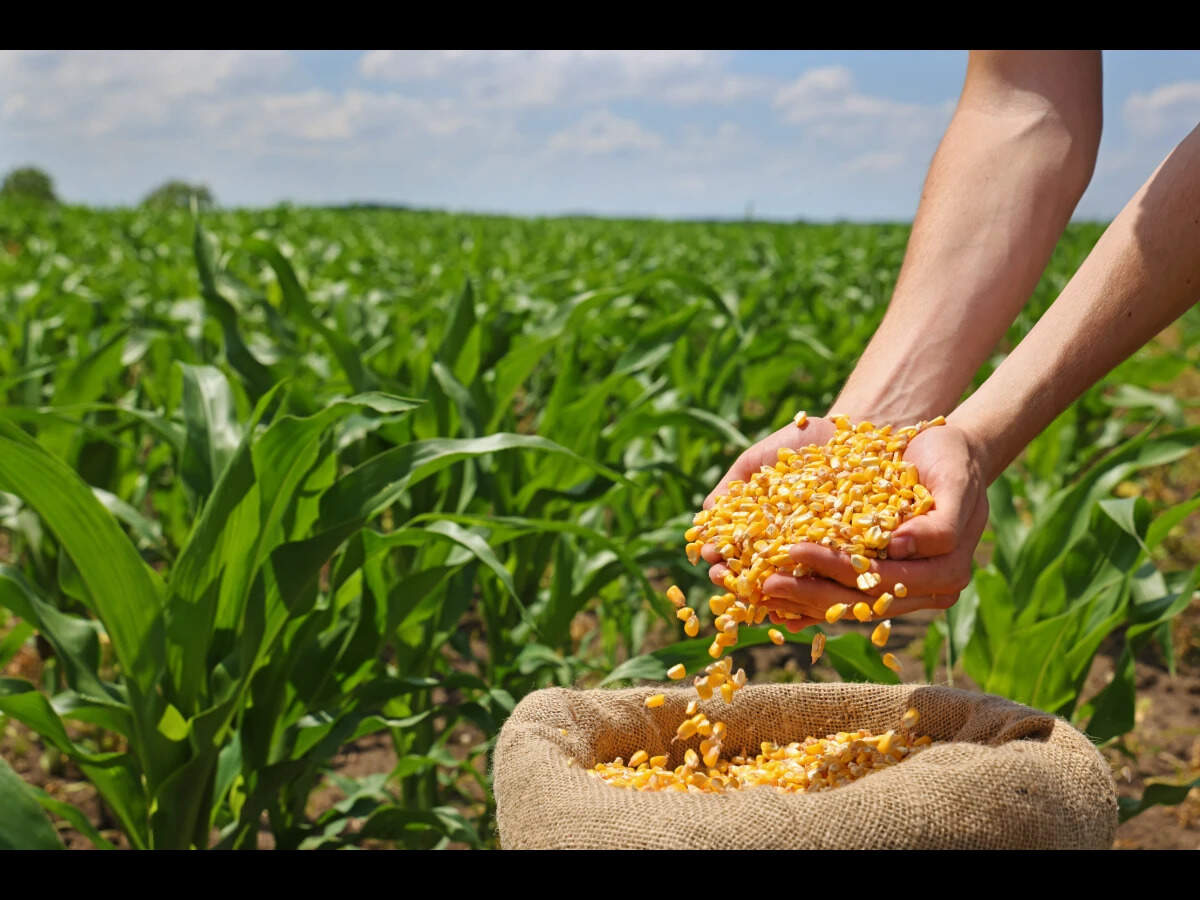
In 2021-22, India exported 3.7 million tonnes of maize, but by 2023-24 that number had dropped to nearly half. This shift was driven by maize being used more as a fuel source rather than poultry feed. Maize is now at the intersection of energy security, farm income, and import substitution, and planners are viewing it as an economy to be built rather than just a crop to be grown.
India is the sixth-largest producer of maize, producing about 55.1 million tonnes in 2025-26, up from 23.67 million tonnes in 2014-15. The crop accounts for 14.6% of foodgrain production and supports around seven million farmers across 27 states. The ethanol effect has greatly impacted the market, with maize diverted to fuel rising from 0.83 million tonnes in 2022-23 to 13.1 million tonnes in 2024-25.
This ethanol now takes up about a quarter of the roughly 50 million tonnes of grain India consumes. Poultry feed still leads at 44%, followed by starch at 14% and livestock feed at 10%. Using maize for ethanol saved about US$3.7 billion in foreign exchange between 2022-23 and 2024-25, and displaced around 5.7 million tonnes of crude oil.
The maize used for this purpose was worth about Rs 46,500 crore to growers at minimum support prices. Grain-based distillery capacity has overtaken molasses-based capacity. However, the savings are back-calculated and are gross, with the 2024-25 saving of about US$2.2 billion being only 1.6% of the crude import bill.
Written by urgent.news from The Economic Times - Economy's reporting — not their text. Machine-written — may contain errors; check the original before relying on it.