Federal prison law draft sent to interior ministry for approval
ISLAMABAD: A final draft of the Federal Prison and Correctional Facility Act, 2026, has been prepared and sent to the Ministry of Interior for approval before its introduction and implementation in the federal capital. The proposed legislation seeks to provide a legal framework for prisons, the reformation of prisoners and their rehabilitation. Officials familiar with the matter told Dawn that…
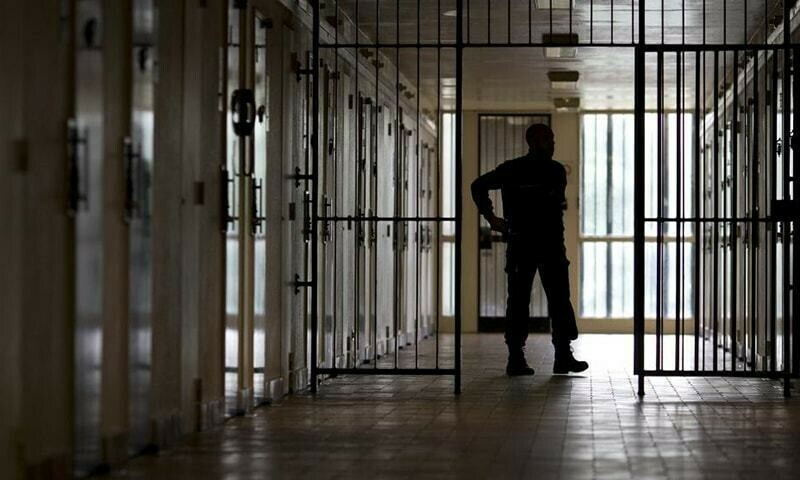
Islamabad - A comprehensive draft of the Federal Prison and Correctional Facility Act, 2026, has been finalized and forwarded to the Ministry of Interior for review prior to its presentation and enactment in the nation's capital. The proposed legislation aims to create a legal framework for prisons, prisoner reform, and rehabilitation within Pakistan.
Officials close to the matter disclosed to Dawn that the Act is being crafted to address the establishment, governance, safety, and security of prisons, as well as the care, custody, reform, and rehabilitation of prisoners.
Ali Akbar, a newly appointed Senior Superintendent of Prison, is credited with preparing the final draft of the Federal Prison and Correctional Facility Act, 2026. According to the proposed draft, the Federal Prison System seeks to contribute to the preservation and safeguarding of a just, peaceful, and secure society by enforcing sentences handed down by courts.
The Act's regulations will govern the treatment of prisoners, ensuring their fundamental rights are upheld and protected, as outlined in Pakistan's Constitution, international agreements to which the country is a signatory, and applicable laws, all without undermining the aims of punishment and correctional measures.
Key principles for handling prisoners include accepting prison officers' authority, exhibiting due respect for their inherent dignity and worth as human beings, and participating in the reform process. Incentives, such as special remissions and monetary benefits, may be provided to prisoners who actively engage in the reform process.
Discrimination is prohibited, except as specified under the law. The government may designate any building, enclosure, land, or premises as a Federal Prison and Correctional Facility in accordance with the Act.
The government can establish, modify, expand, or relocate prisons, specify their classification or category, declare a prison as no longer operational after a specified date, and direct the removal and transfer of prisoners to another facility indicated in a notification. Any place declared as a subsidiary or temporary prison for prisoner reception or detention falls under the Act's jurisdiction.
The Inspector General exercises administrative control and management over all declared prisons. A Prison Management Board, headed by the chief commissioner and consisting of additional members, is to be established. The board's role includes making recommendations for efficient and transparent prison management to ensure the highest standard of public service for prisoners and setting up an Oversight Committee for prisoner welfare, philanthropic initiatives, rehabilitation programs, monitoring prison administration, or any other relevant purpose.
Prison officers are provided with weapons, uniforms, equipment, and other necessary gear. Offenders found guilty of misconduct are liable to punishment based on disciplinary proceedings, with at least one right to appeal. Prisoners remain under the lawful custody of a prison officer throughout their imprisonment, must comply with prison discipline, the Act, and relevant rules, and are informed of their duties, rights, and obligations, which may be published.
Medical and psychological examinations are conducted as prescribed under the rules. Prisoners are granted the right to lodge complaints freely, and a modern complaint resolution mechanism is established to address such concerns.
Technological advancements are to be embraced and integrated to improve operational efficiency, accountability, security, and discipline within the prison system. Prisoners may exchange personal correspondence, communicate through audio and video calls, visit relatives, friends, or legal representatives, and enjoy conjugal rights.
Supervision of these activities is carried out by a designated prison officer. The Secretary of State for Pakistan can initiate action against a prisoner involved in a breach of discipline or a criminal offense under any law.
Written by urgent.news from Dawn - Pakistan's reporting — not their text. Machine-written — may contain errors; check the original before relying on it.