Could Taipei’s unexpectedly tight mayoral race add to cross-strait tensions?
Taipei Mayor Wayne Chiang Wan-an faces an unexpectedly tough re-election fight in a race closely watched for its potential to damage the main opposition party Kuomintang and further strain the island’s relations with Beijing. Just five months ago, Chiang appeared comfortably positioned for a second term in a city where the KMT has traditionally enjoyed an advantage over the ruling Democratic…
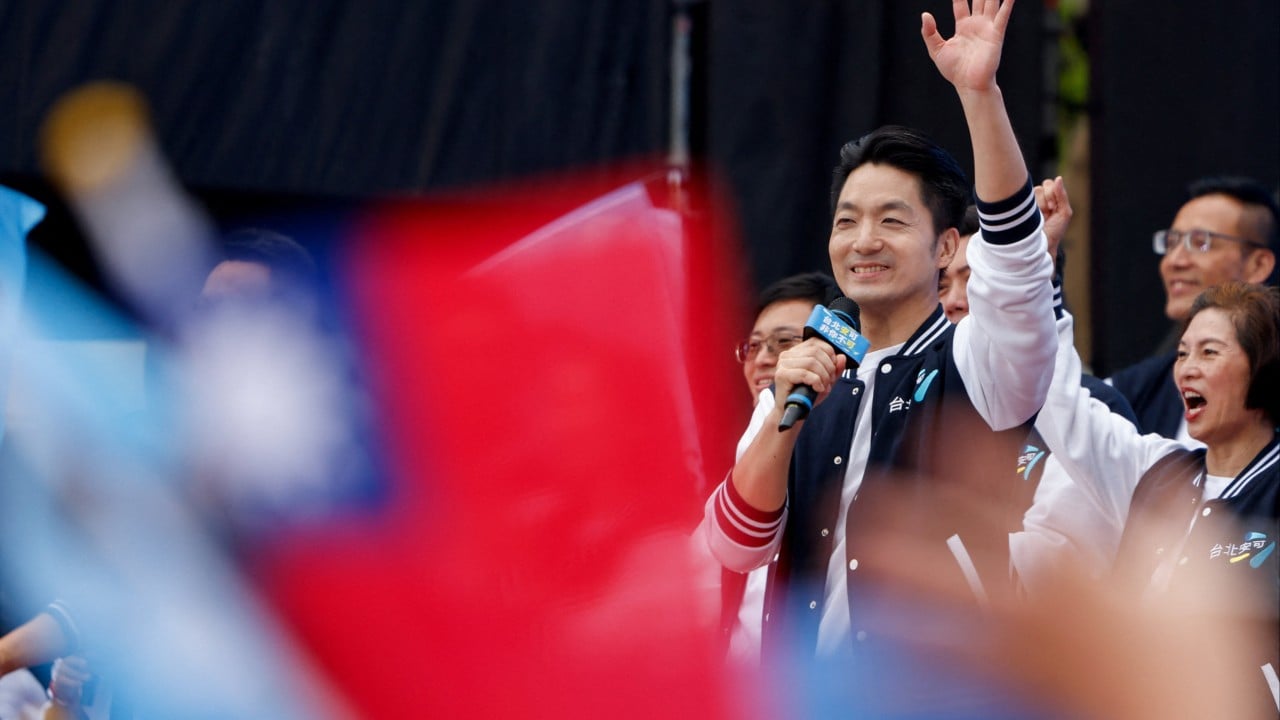
Taipei Mayor Wayne Chiang Wan-an is facing a tougher re-election battle than initially anticipated, a race closely monitored for its potential impact on cross-strait relations between Taiwan and Beijing. Chiang, who was once a clear favorite, now finds himself in a tight contest with Democratic Progressive Party challenger Puma Shen.
Initially leading by 28 percentage points in May, the gap had narrowed to eight points by October and had shrunk even further to within the margin of error by the following month. Shen's increasing popularity, attributed to a phenomenon called "yangliu" or "ocean current," has energized his supporters and projected a sense of grassroots enthusiasm.
The shift in political presentation, moving from a combative legislator to a warmer, more approachable candidate, has also contributed to Shen's rise. Chiang has been forced to rethink his campaign, focusing less on his incumbency and more on municipal and livelihood issues. The implications of this tight race extend beyond Taipei City Hall, as Taipei and neighboring New Taipei together account for more than a quarter of Taiwan's population.
A DPP breakthrough in northern Taiwan could strengthen Taiwanese leader William Lai Ching-te's position ahead of his expected re-election bid.
Written by urgent.news from South China Morning Post's reporting — not their text. Machine-written — may contain errors; check the original before relying on it.