Commentary: What revised Maju Forest plans could mean for future development decisions
Framing the outcome in terms of winners and losers risks reinforcing the zero-sum thinking we should move beyond, says NUS landscape architecture professor Yun Hye Hwang.
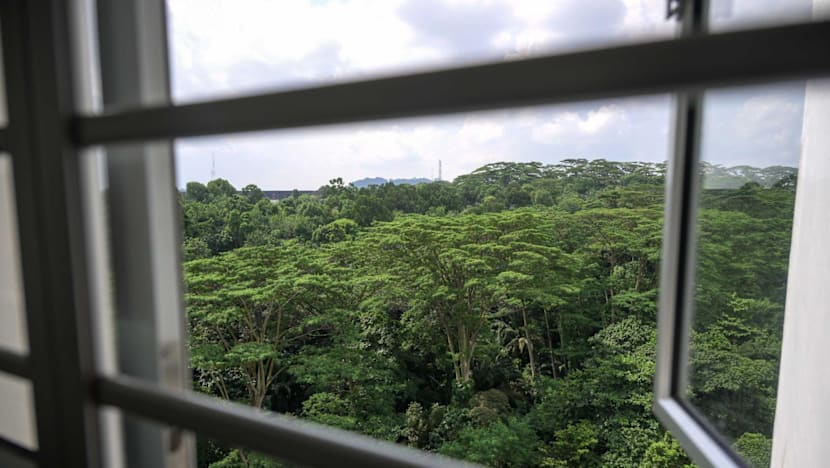
The Housing and Development Board (HDB) has announced revised housing plans for Maju Forest and Gillman Barracks, cutting approximately 1,200 homes while retaining six hectares of existing greenery. This decision, made amid Singapore's ongoing housing demand and environmental concerns, marks a shift towards more collaborative planning involving various stakeholders.
While this outcome may be seen as a win for nature groups, it also highlights the need to move beyond zero-sum thinking and recognize the social and cultural value of these sites. Despite HDB's efforts to consider stakeholder feedback, some residents have expressed disappointment that their requests for a review of the revised options were declined, underscoring the ongoing challenges in balancing development and conservation.
Brief written by urgent.news from CNA - Singapore's own syndicated text. Machine-written — may contain errors; check the original before relying on it.