Collective human metabolism produces 2 billion metric tons of CO₂ a year, global study estimates
A University of Bath–led study has estimated that the carbon dioxide produced by humans as our bodies turn food into energy rose by 74% between 1985 and 2015, reaching 2.05 billion metric tons a year. Researchers say the findings could help scientists better understand where carbon comes from, where it goes and how human activity fits into the bigger picture.

A groundbreaking study led by the University of Bath has revealed that the collective human metabolism generates 2.05 billion metric tons of carbon dioxide (CO₂) annually, marking a 74% increase from 1985 to 2015. This substantial rise in CO₂ production, primarily stemming from the 60% population growth, has been discovered by researchers from the Center for Exercise, Nutrition, and Metabolism.
Professor Javier Gonzalez, the lead author of the study published in The Lancet Planetary Health, explained that while each individual exhales CO₂ as a result of converting food into energy, this process is distinct from carbon emissions caused by burning fossil fuels. The carbon emitted through human respiration originates from the food consumed, which was recently extracted from the atmosphere by plants.
The researchers utilized thousands of real-world measurements on individuals of all ages, alongside global population and body-weight data to calculate the total CO₂ produced through metabolic processes. This finding provides scientists with a more precise understanding of the carbon cycle and aids in refining predictions for carbon reduction strategies.
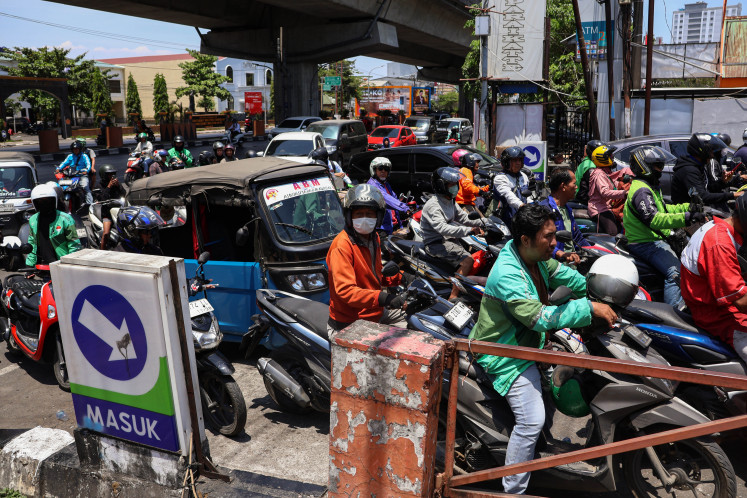
The study emphasizes that human metabolism contributes significantly to carbon emissions, particularly in densely populated urban areas, but cautions that this does not imply breathing is a primary driver of climate change. Instead, this research aims to enhance the accuracy of carbon accounting, allowing for more effective carbon reduction efforts.
Written by urgent.news from Phys.org's reporting — not their text. Machine-written — may contain errors; check the original before relying on it.