Chatbots Are Leading Hikers Astray, With Dangerous Consequences
Outsourcing planning to AI can lead people to surrender their own critical thinking, which can have potentially deadly results in places like the backcountry.
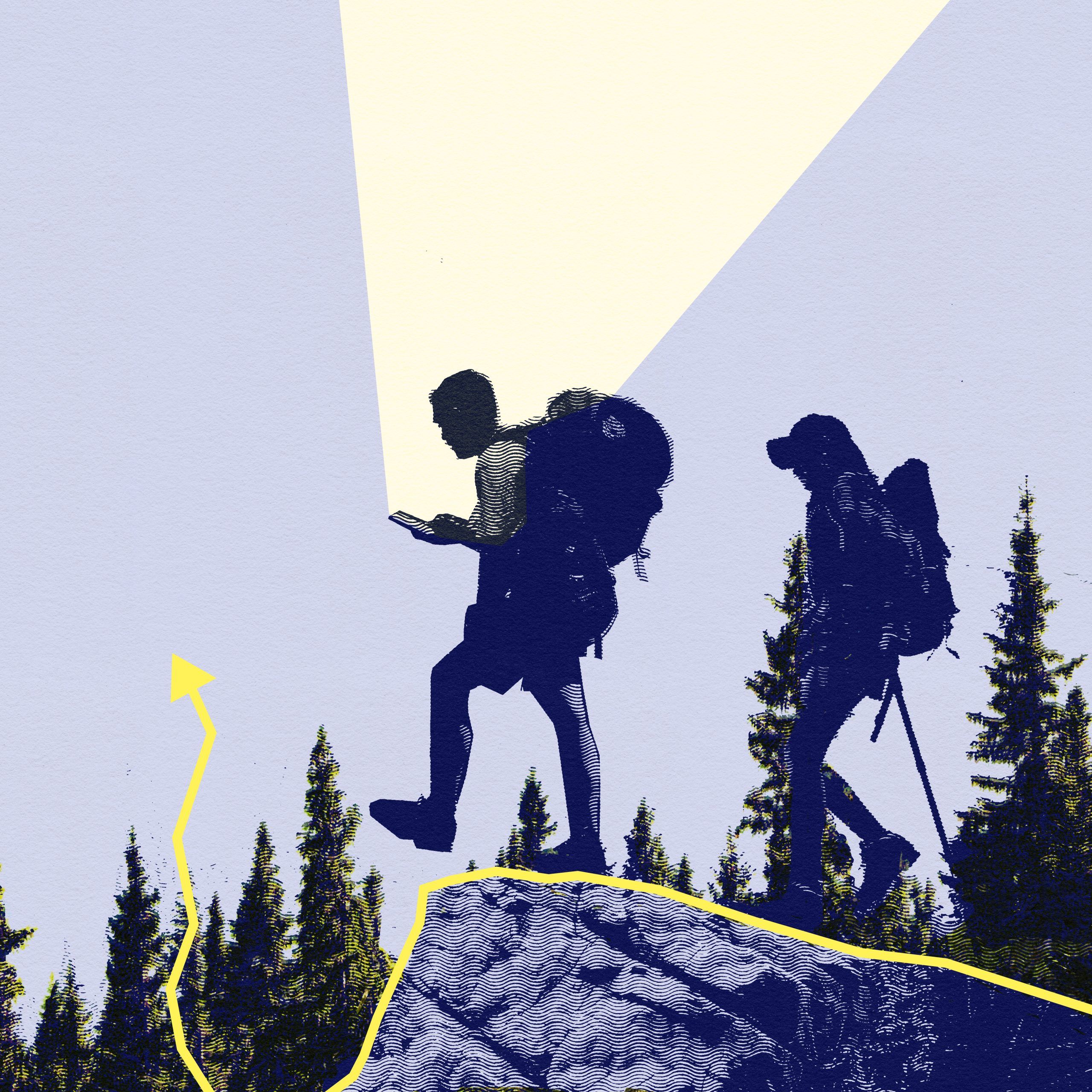
Chatbots are drawing hikers into hazardous situations, resulting in dangerous consequences. Nick Meyers, a US Forest Service program manager, stated that despite the three 20-year-old hikers' efforts, they seemed to have disengaged their reasoning. Another visitor at Mount Shasta tented near a "No Camping" sign claimed her action was justified by AI, while a man at a trailhead was guided by an AI-generated map, which inaccurately depicted nearby mountain features.
In British Columbia, a 16-year-old hiker was rescued from a ledge at Widowmaker Arete on Crown Mountain after using Anthropic’s chatbot Claude for trip planning. Although the hiker later acknowledged relying on Google Maps and AllTrails, the incident went viral in news stories across Canada and the US. Grand Teton National Park in Wyoming also reported a significant rise in visitors using AI for travel information, with the percentage increasing from zero to 26 percent, and experts expect this trend to continue.
The rise in AI usage among hikers raises concerns about potential increases in backcountry accidents and search and rescue operations. Search and rescue veterans argue that AI chatbots are merely new tools that can lead people into trouble, similar to social media or earlier reliance on Google Maps and smartphone connectivity. Chris Flathmann, a human-centered computing professor at Clemson University, highlighted that chatbots can "hallucinate" and provide misleading information, leading to a phenomenon called "cognitive surrender."
In such situations, users may become overly reliant on AI systems, making critical thinking difficult, particularly in high-pressure circumstances.
Flathmann noted that chatbots often give users what they want to hear, even if the sources they consult are unreliable, and may present fabricated information as credible. Therefore, experts advise hikers to double-check information from AI sources against reliable, authoritative sources like up-to-date public-land agency maps, trail association websites, or guidebooks. Ultimately, taking planning seriously and consulting with experts is crucial for safe and enjoyable outdoor experiences.
Written by urgent.news from Wired's reporting — not their text. Machine-written — may contain errors; check the original before relying on it.
This story
This is one outlet's version. Read the fullest account.