Banks Must Pay Up
The Supreme Court’s suo motu intervention in the growing menace of digital arrest scams in the country is a step in the right direction. The Court is right in asking banks to compensate those who have lost money in such scams. Banks have so far washed their hands of the issue, claiming that account holders themselves transfer money to scammers posing as officials of the CBI, ED or RBI. The…
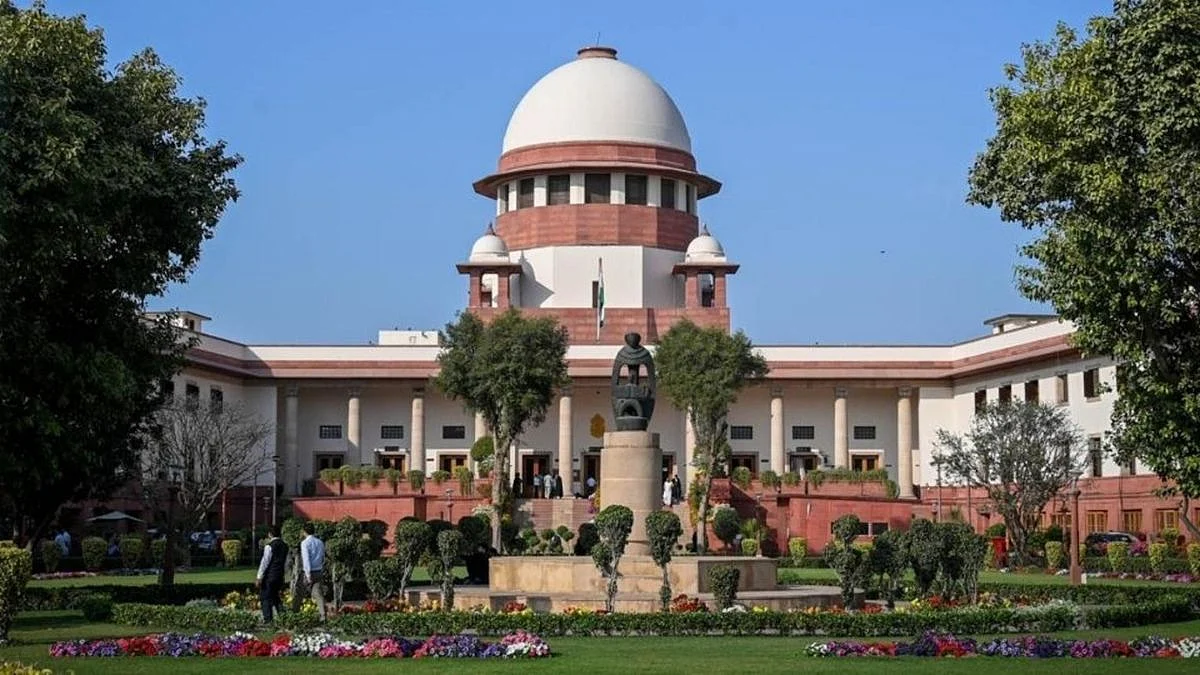
The Supreme Court has intervened in the issue of digital arrest scams, compelling banks to compensate victims. Banks have previously dismissed the problem, arguing that account holders transfer funds to scammers posing as CBI, ED or RBI officials. The Court has criticized this stance and questioned why individuals cannot be compensated, especially considering the large sums of unpaid loans.
Most victims are senior citizens. The Attorney General acknowledged the decrease in cases since the Court's intervention but warned that any directive could have serious implications for banks. The Reserve Bank of India (RBI) is drafting rules and guidelines to address these scams, with ongoing consultations with banks. However, the matter needs prompt action, and a deadline should be set for implementing rules and procedures.
Banks cannot escape responsibility for these scams, despite generally alerting account holders about suspicious transactions. To prevent scams, banks should implement computerized programs that automatically halt suspicious transactions from senior citizens' accounts for 24 hours. Additionally, banks should discourage internet banking for vulnerable individuals.
A parallel police campaign targeting scam perpetrators operating in specific areas of Jharkhand and Haryana is also recommended. The recent closure of scam call centers in Cambodia and Myanmar highlights the effectiveness of police action, but rising cases suggest potential involvement of banking agents or insiders. Banks should also terminate contracts with freelance loan and insurance agents who operate without supervision.
Written by urgent.news from Free Press Journal's reporting — not their text. Machine-written — may contain errors; check the original before relying on it.