Bangladesh to form wage board after garment protests shut factories
DHAKA: Bangladesh will set up a wage board on Sunday to review garment workers' pay after protests shut dozens of factories and triggered clashes with police, putting fresh strain on the country's key export industry.
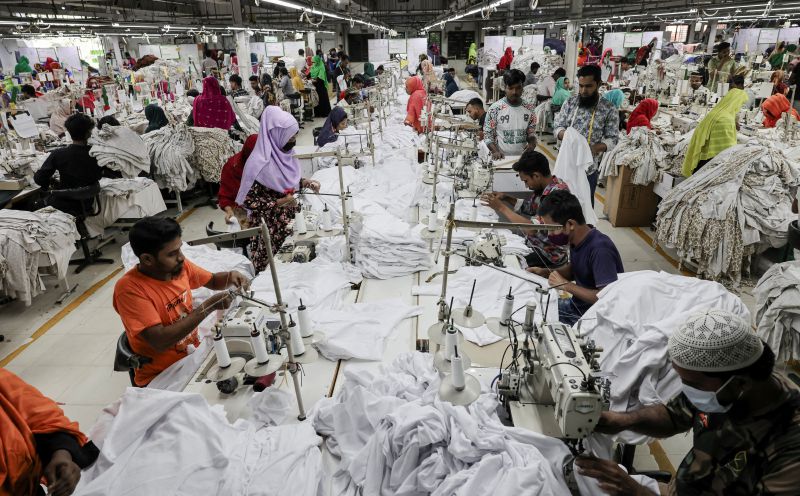
Bangladesh will establish a wage board on Sunday to assess garment workers' pay following protests that halted production in numerous factories and led to confrontations with law enforcement, exacerbating pressure on the country's crucial export sector. Workers in Bangladesh are seeking a minimum monthly salary of 30,000 taka (US$245), which is nearly double the existing 12,500 taka, arguing that escalating expenses for food, housing, transportation, and healthcare have significantly diminished their purchasing power.
The dispute has sparked concerns about disruptions to an industry that employs approximately four million individuals, generates over 80% of Bangladesh's export revenue, and supplies apparel to numerous prominent Western brands. Labor and Employment Minister Ariful Haque Chowdhury announced that the government would officially establish the wage board following consultations with labor leaders and industry representatives aimed at resolving the unrest.
Protests on Saturday compelled around 30 garment factories in Ashulia, a crucial manufacturing center on the outskirts of Dhaka, to declare holidays, according to Mohammad Mominul Islam Bhuiyan, superintendent of the Ashulia Industrial Police. Hundreds of workers obstructed a major intersection in the capital, while demonstrations in other industrial zones disrupted traffic and factory activities.
Clashes between workers and police in Ashulia resulted in several injuries, including police officers, according to police reports. Officers utilized tear gas and sound grenades to disperse protesters. Chowdhury implored workers to resume work, asserting that the government's decision to review the wage structure addressed their primary demand.
He cautioned that prolonged factory closures and production disruptions might delay export shipments and payments from overseas buyers, resulting in further challenges for manufacturers and workers. Bangladesh's ready-made garment industry, the world's largest after China, accounts for about 10% of gross domestic product and forms the economic foundation of the nation.
However, manufacturers contend that the sector is grappling with mounting challenges, such as escalating production costs, intermittent electricity and gas shortages, and uncertainty in energy markets influenced by tensions in the Middle East.
Written by urgent.news from New Straits Times's reporting — not their text. Machine-written — may contain errors; check the original before relying on it.
This story
This is one outlet's version. Read the fullest account.