ASX set to slip, Wall Street hit by tech rout; Binance sees withdrawals spike as it returns online
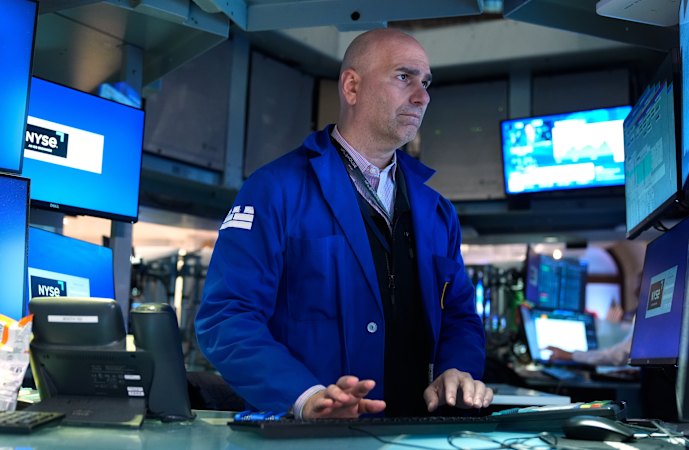
A selloff for tech stocks got even worse on worries that Wall Street’s frenzy around artificial-intelligence technology sent prices too high.
Binance resumed withdrawals after hackers attempted to steal more than $6 billion, with North Korean groups implicated and 90% of losses covered. The platform suspended withdrawals for over two days following the unprecedented cyberattack, which targeted assets worth the largest single theft in cryptocurrency history. Binance began restoring withdrawals on Sunday, with the first phase covering 15 digital tokens, including Bitcoin, Ethereum, and the two largest stablecoins: USDT and USDC.
The FBI accused North Korea of orchestrating the attack, citing the involvement of the North Korean hacking group TraderTraitor, previously linked to the 2022 Bybit exchange breach. The hackers reportedly converted most stolen assets into Ethereum, intending to launder them through decentralized finance services and instant swaps.
Most major cryptocurrencies experienced minimal price changes on Sunday, indicating renewed investor confidence following Binance's pledge to fully compensate customers. Binance confirmed covering approximately 90% of stolen crypto assets, absorbing the financial impact and not passing losses onto users. Co-CEO Richard Teng attributed the ability to cover losses to the company's investment in cryptocurrencies, while Co-CEO Yi He stated that Binance's revenues this year would entirely cover the lost assets' value.
Experts noted the rapid response reflects the sector's maturity, while concerns over AI's role in cyberattacks grew, as North Korean hackers allegedly employed AI tools for intelligence gathering and social engineering. Recent cyberattacks on Polymarket, South Korean financial firms, and Japan's GMO Internet Group crypto exchange highlight the escalating threat.
Binance, holding assets valued at around $135 billion, surpassed competitors like OKX, which holds about $29 billion. The Secure Asset Fund for Users (SAFU), established in 2018, typically maintains around $1 billion but fluctuates with market conditions. The attack may have been linked to a compromised laptop belonging to a software engineer, though there was no evidence of private key leaks.
Written by urgent.news from Ajel English's reporting — not their text. Machine-written — may contain errors; check the original before relying on it.
This story
This is one outlet's version. Read the fullest account.