ANALYSIS: New mayors beware — SA’s local government revolt is waiting for a spark
Whoever takes power in Johannesburg may inherit more than a governance crisis: a deepening crisis of legitimacy.
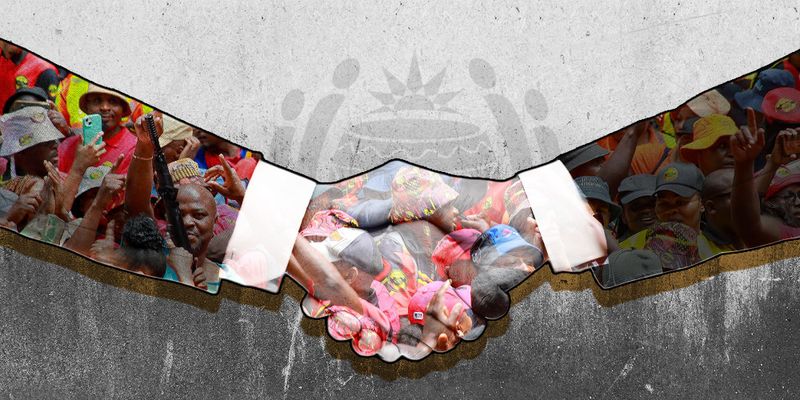
As the results of South Africa's upcoming local elections approach, the possibility of a new mayor taking office in Johannesburg is accompanied by concern over a deepening crisis of legitimacy. While most focus remains on potential coalition combinations, this crisis could make it difficult for any party combination to improve governance. Recent polls reveal that 73% of surveyed individuals expressed little to no trust in local government, with more people in some communities even deciding not to vote.
In Johannesburg, many residents are frustrated with the current ANC-led coalition and its perceived failures. Should this group be returned to power, middle-class residents may choose not to accept the result, leading to a rejection of the city's legitimacy. Instead of engaging in open protests, these individuals could refuse to pay rates, stop registering boreholes, or take over road maintenance, sparking disobedience and "enclavisation" of society.
Such disobedience could escalate into more extreme measures, like barricading roads or evading legal penalties. For example, a DA-led administration might face opposition from both the South African Municipal Workers' Union and the electorate over policies like prepaid meters. These unions and residents may refuse to comply with the administration's directives, leading to a potential "go-slow" or work-to-rule situation.
While a coalition led by the DA and ANC might prevent these scenarios, local management and new mayors could play a crucial role in preventing escalation. Middle-ground coalitions, clever political maneuvers, and effective community engagement may be necessary to avoid a potentially volatile situation.
Written by urgent.news from Daily Maverick's reporting — not their text. Machine-written — may contain errors; check the original before relying on it.