AI is stealing Indigenous Australian art and churning out ‘Temu slop’, artist says
Chair of National Gallery’s First Nations advisory group says the technology is undermining artists’ agency and the authenticity of their work Get our breaking news email , free app or daily news podcast AI is taking First Nations art and turning it into “Temu slop”, the Pitjantjatjara artist Sally Scales has said. Scales, the chair of the National Gallery of Australia’s First Nations advisory…
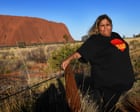
A Pitjantjatjara artist is accusing artificial intelligence of stealing her work and producing low-quality imitations, likening the output to items sold on Chinese e-commerce site Temu. Sally Scales, who chairs the National Gallery of Australia's First Nations advisory group, asserts that AI undermines the agency of Indigenous artists and the authenticity of their creations, effectively committing a form of "theft" of cultural knowledge.
Despite Prime Minister Anthony Albanese's pledge to shield Australian creators from copyright infringement and the Attorney-General Michelle Rowland's assurance that there are "no plans to weaken copyright protections," AI has already been trained using the works of renowned Australian artists without the artists' consent. Experts warn that AI presents a significant threat to Indigenous cultural and intellectual property (ICIP), particularly as AI companies can scrape any data found online, including sacred cultural information.
The peak body for Australian visual artists has expressed concerns that AI-generated works bearing Aboriginal-style designs and attributed to Indigenous artists are causing "cultural and economic harm." Searches on platforms like Temu and Shein reveal numerous items described as Aboriginal paintings, often without proper attribution to the original artist.
Intellectual property specialist Kathy Bowrey from UNSW Law highlights that copyright infringement is already a problem for one in five creators, and the complexity of these issues is heightened for Indigenous creators due to limited control over ownership and respect for Aboriginal culture. She cites an example where an organization pays for the use of Aboriginal artwork and images, only to repurpose them with AI without permission, resulting in unattributed derivative works that can negatively impact the original artists' opportunities.
The National Association for the Visual Arts (Nava) emphasizes the importance of Indigenous data sovereignty, advocating for First Nations peoples' authority over their data, cultural material, and knowledge. Nava's submission to the joint select committee inquiry on AI points to AI scraping Indigenous art center websites, removing artists' names, and altering their work.
They also express worry about AI-generated "Aboriginal-style" images and designs that misrepresent community-specific techniques, stories, and mark-making, potentially spreading misinformation and causing cultural and economic harm. Scales and creative technologies expert Oliver Bown propose a "Copyright Plus" framework, which would give creators greater control over their work by requiring AI companies to disclose their data sources and granting artists the right to refuse scraping or mimicking.
The framework would also involve imposing a levy on AI companies to create a scheme for compensating creative professionals and establishing a cultural fund.
Written by urgent.news from Guardian Technology's reporting — not their text. Machine-written — may contain errors; check the original before relying on it.
This story
This is one outlet's version. Read the fullest account.