A Hindu-Muslim friendship amid the 1946 riots: A graphic novel’s lost dream
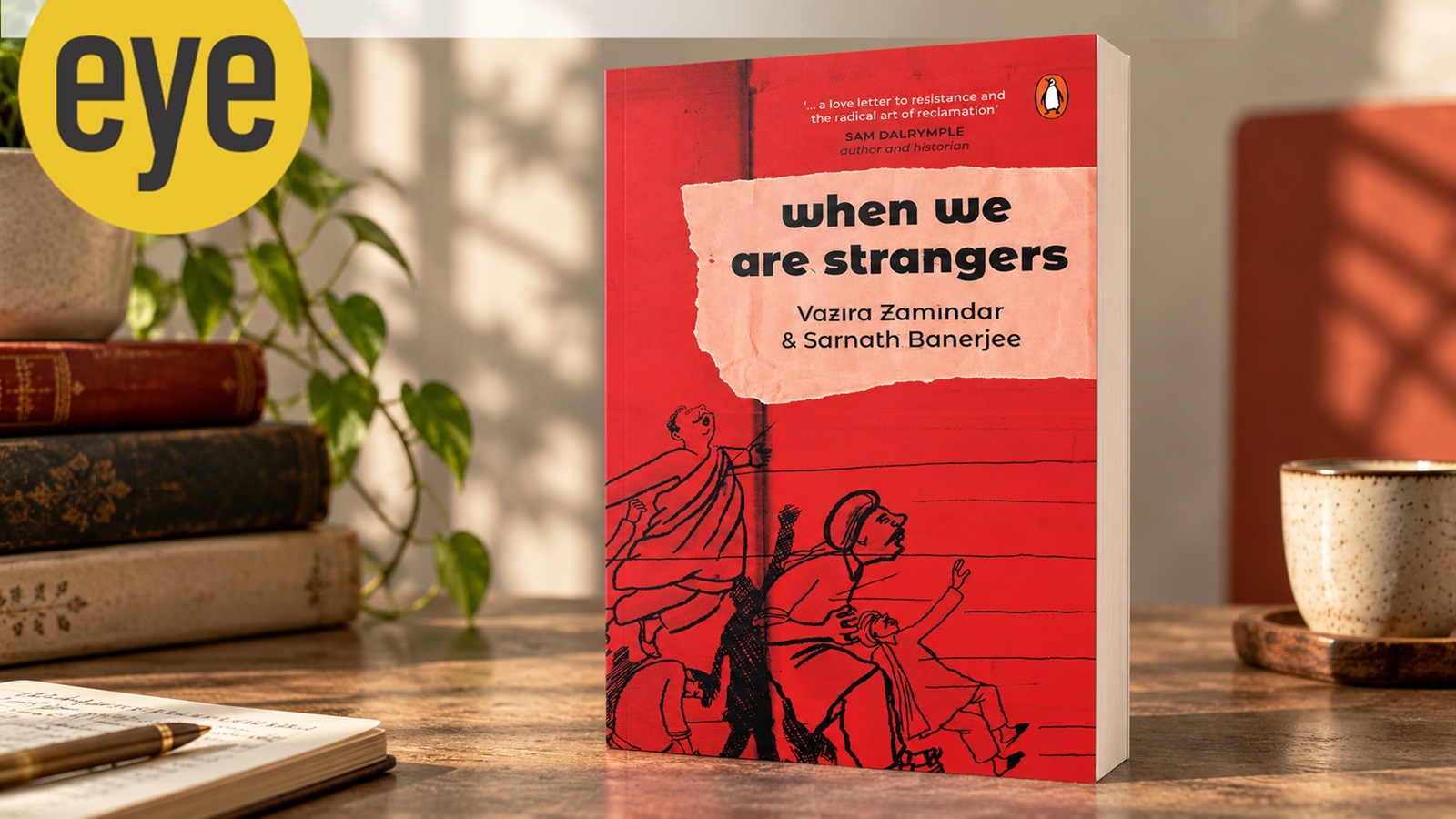
When We are Strangers, a graphic novel, opens with the tumultuous 1946 Calcutta riots and the unlikely friendship between a Hindu follower of Mahatma Gandhi, Sita, and a Muslim student at Khan Abdul Ghaffar Khan's Azad School, Mahmud. This bond is central to the story, as they take their cause forward. The novel's style is simple, reminiscent of less vibrant Manga and comic books, but it effectively highlights the unique bond between Gandhi and Khan.
Their contrasting physical appearance, with Gandhi's small build and Khan's larger stature, serves as a visual representation of their bond. The red shirts worn by the Khudai Khitmatgars symbolize their shared spirit that could potentially overturn imperial powers. The tale begins during the violent riots, when Sita and Mahmud manage to sneak into the British-controlled Indian Museum, stealing valuable artifacts, including remnants of the Hastnagar Buddha.
This act is seen as their initial step towards envisioning a shared, independent future. The 1946 Calcutta riots were not just about communal tensions; they were also a fierce local struggle for control over city spaces and neighborhoods, as explained by Janam Mukherjee in Hungry Bengal. The riots were a culmination of a "brutalization of consciousness" during the 1943 Bengal famine, which was triggered by the British, who destroyed boats and confiscated foodgrains after the fall of Burma during World War II.
This historical context makes Sita and Mahmud's act of stealing back from the British more than just a retaliation - it is also about two individuals uniting in the anti-colonial struggle while maintaining their religious identities. The novel posits that their shared struggle was the foundation for their friendship, a sentiment that resonates even today.
However, the book's historical focus and the limited understanding of Fanon's philosophy are its limitations when it comes to finding answers. Partition altered the Hindu-Muslim dynamics, leading to a narrowing of identities across nation-states, a consequence of a lack of imagination for a truly equal society. Frantz Fanon's perspective, discussed briefly in the book, provides a deeper understanding of this situation.
Written by urgent.news from The Indian Express's reporting — not their text. Machine-written — may contain errors; check the original before relying on it.