A fire that devastated a river — and sparked its rejuvenation
On November 1, 1986, a fire at a Sandoz agrochemical warehouse near Basel, Switzerland, caused toxic chemicals to spill into the Rhine River. This tragedy, occurring just after the Bhopal and Chernobyl disasters, prompted an international response. Rhine riparian countries convened in Rotterdam and commissioned the International Commission for the Protection of the Rhine (ICPR) to create the Rhine Action Programme (RAP).
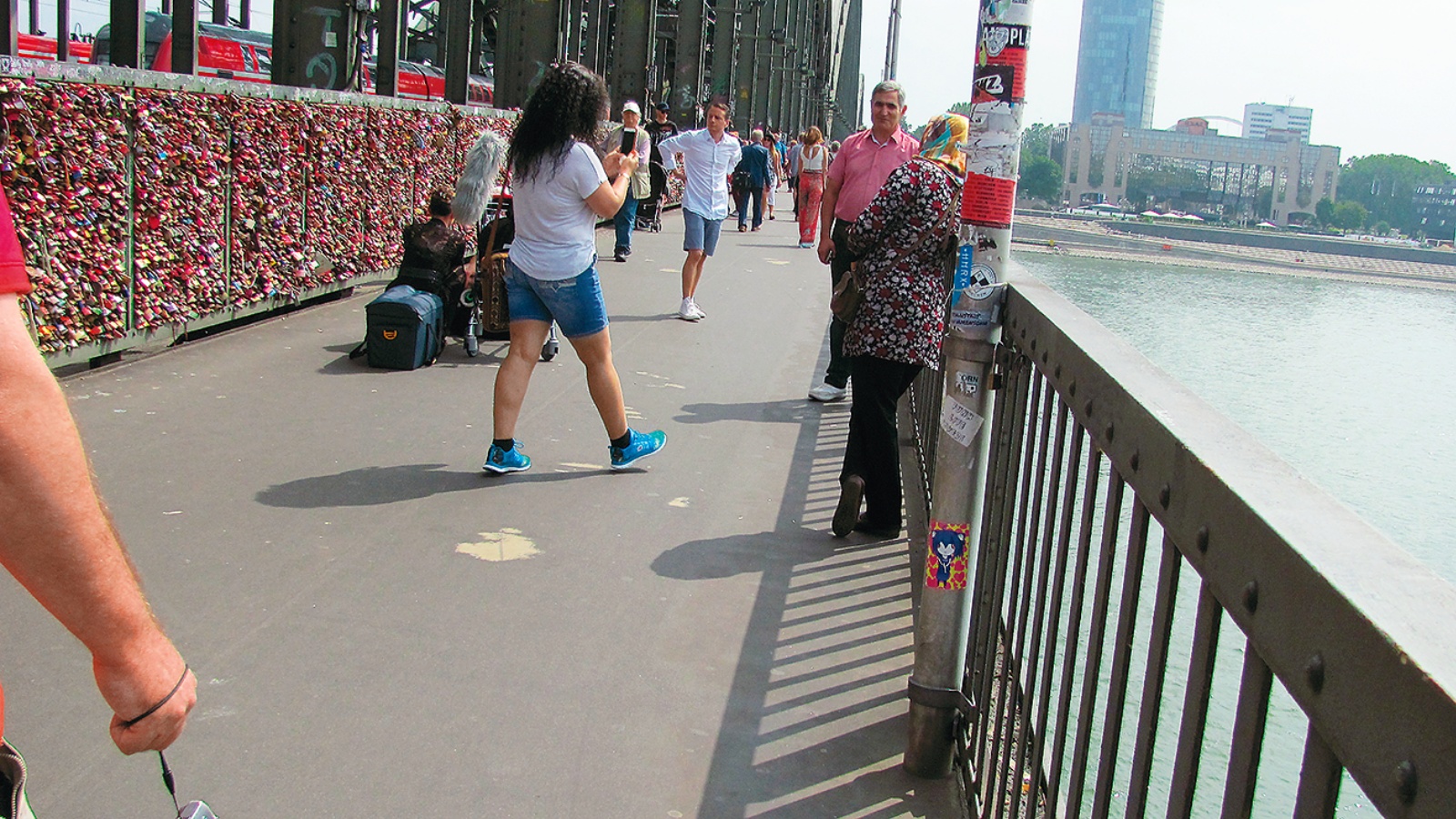
Approved in October 1987, the RAP aimed to restore the river's biodiversity by 2000, including the return of fish species like salmon, improve water quality, and prevent pollution. As a result, the Rhine's water quality improved significantly, supporting over 70 fish species and even reintroducing extinct ones like salmon. The ICPR's efforts have been successful, evident in the river's clean current that supports shipping and cruises, and the connection it has cultivated with the public, such as the Hohenzollern Bridge in Cologne, where couples attach engraved padlocks as a symbol of love.
However, even though the Rhine's rejuvenation is a testament to the power of international cooperation and environmental regulation, similar initiatives in India, such as the Ganga Action Plan and Namami Gange, have not yielded comparable results. Despite building institutions and launching programs, the number of polluted river stretches has only increased, with the Yamuna remaining one of the most contaminated rivers in the world.
Written by urgent.news from The Indian Express's reporting — not their text. Machine-written — may contain errors; check the original before relying on it.