2026 was meant to be the Philippines’ year—yet the country remains stuck in an ‘recurring cycle of underachievement’
What was meant to be a breakout year, highlighted by the Philippines’ turn as ASEAN chair, has instead become a case study in how it keeps falling short.
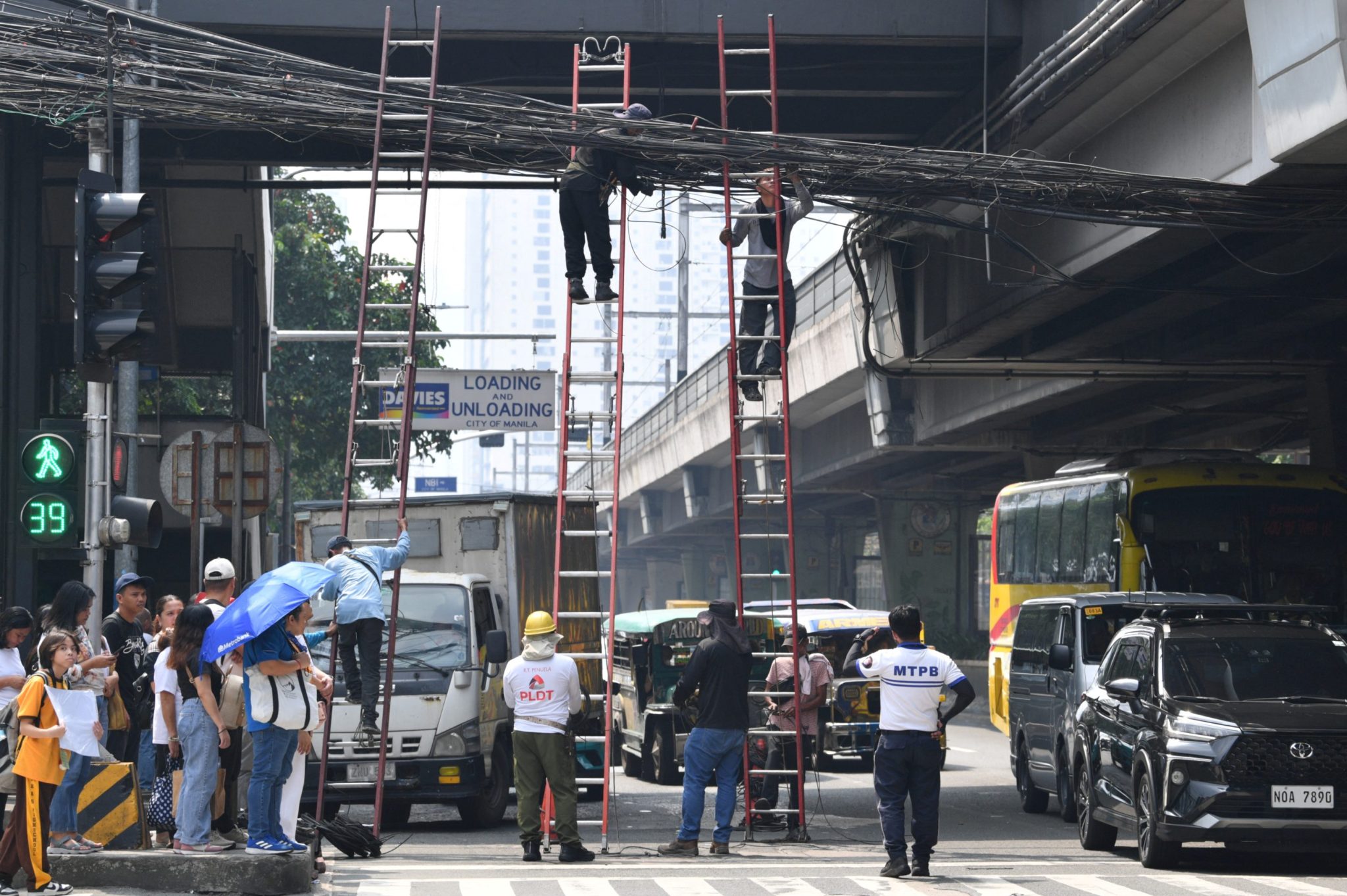
In 2026, the Philippines aimed to accelerate its growth trajectory after assuming the chairmanship of the Association of Southeast Asian Nations (ASEAN). However, the country has struggled to live up to the expectations set by its high-income neighbors driving regional expansion. With two months remaining in the year, the country has become Southeast Asia's worst-hit by high energy prices stemming from the U.S.-Iran conflict that commenced in February.
Ruben Carlo Asuncion, chief economist at the Union Bank of the Philippines, highlights that while the nation boasts a youthful population, a vast domestic market, strategic location, and skilled workforce, it has continually faltered at translating these strengths into sustained investment, productivity, and competitiveness. At the onset of 2026, forecasts were optimistic, anticipating robust growth fueled by subdued inflation, reduced interest rates, resilient household spending, and infrastructure investments.
Unfortunately, a cascade of shocks ensued, thwarting momentum and reigniting inflationary pressures. The country's well-established advantages have been overshadowed by corruption, institutional dysfunction, and energy insecurity. Some of these issues, particularly energy prices, are beyond the Philippines' control and may abate in 2027.
However, Asuncion remains cautious, emphasizing the need for the nation to break away from its recurring cycle of underachievement. The World Bank has projected a rebound to 5.2% economic growth in 2027, driven by increased public spending and declining inflation. Nevertheless, Peter L. U, dean of economics at the University of Asia and the Pacific, projects a more subdued growth rate of 3.7% due to high oil prices and reduced public spending resulting from a significant flood control infrastructure scandal.
Though a silver lining is the World Bank's reclassification of the Philippines as an upper-middle-income economy, Asuncion views it as a milestone rather than a destination. The Philippines' stagnation contrasts sharply with Vietnam, which, as an upper-middle-income nation, is expected to witness a 7.8% growth in 2026 per Asian Development Bank forecasts.
The Philippines' export figures pale in comparison, amounting to only $64 billion against Vietnam's $375 billion. U underscores the milestone in domestic terms, likening it to a 13-year-old child still grappling with the same maturity as before. The biggest hurdle for the Philippines to climb the income ladder lies in attracting investors to fund projects.
Elevated electricity costs, bureaucratic hurdles, and pervasive corruption exacerbate the cost of doing business. Energy insecurity caused by ongoing Middle Eastern tensions ensures that inflation remains stubbornly high, currently trading at a 7.2% peak. The central bank has been increasing interest rates to combat inflation, which may further stifle consumption spending—a traditional growth driver.
The Bangko Sentral ng Pilipinas has already raised its benchmark rate by 50 basis points to 5.5%, with further hikes anticipated. While external events have exposed the nation's inherent weaknesses, Asuncion stresses that successful economies possess strong institutions and the resilience to effectively respond to external shocks.
Written by urgent.news from Fortune's reporting — not their text. Machine-written — may contain errors; check the original before relying on it.