Why You Shouldn't Toss Your Old Halloween Pumpkins In The Trash
Millions of pumpkins need to be disposed of after Halloween.
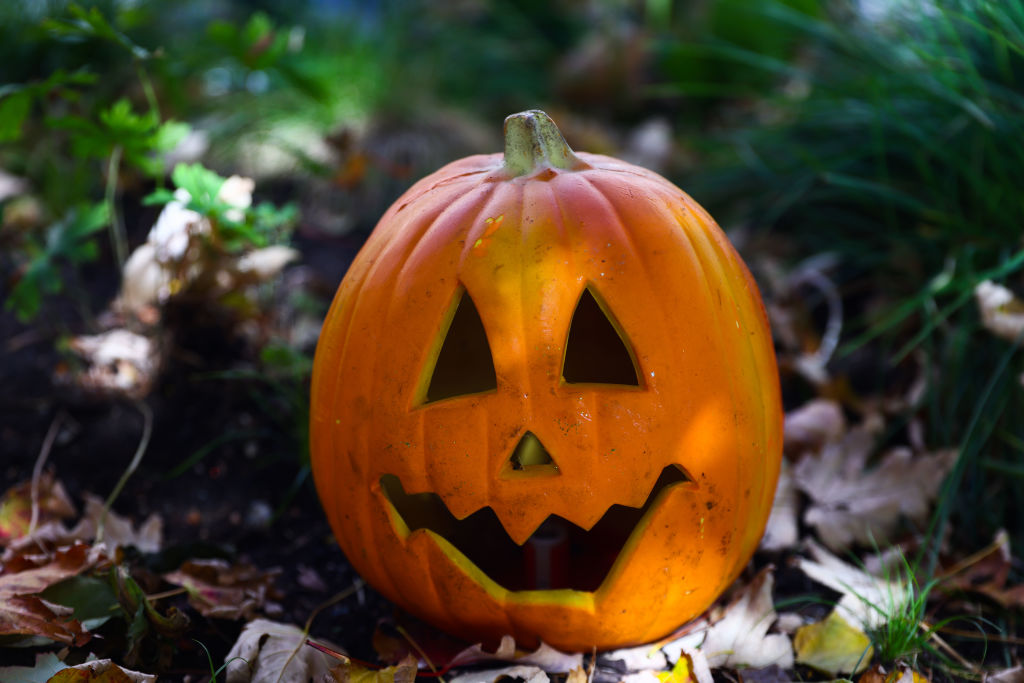
Around Halloween, many people find themselves with leftover jack-o'-lanterns that they don't know what to do with. While it may be tempting to toss them in the trash, experts warn against this practice. When pumpkins end up in landfills, they release methane, a potent greenhouse gas that traps heat in the atmosphere 80 times more effectively than carbon dioxide over a 20-year period.
The decomposition of pumpkins in landfills also creates toxic leachate, which can pollute the environment. Composting is a much better alternative. It introduces water and oxygen, along with helpful decomposers like microbes, bacteria, and fungi, to begin an aerobic composting process. This process avoids the production of methane and turns the pumpkins into nutrient-rich organic matter that can be used to enrich gardens.
You can compost your pumpkin by checking if your curbside compost bin or apartment building has a designated compost area. If not, look for drop-off composting sites or dedicated pumpkin composting events in your area. Pumpkins are compostable, and composting them is better for the environment than trashing them. They're not the only compostable material either; food waste is the single most common item in U.S. landfills and is responsible for 58% of landfill methane emissions.
Starting a home compost pile in the fall, using pumpkins as part of the mix, is a great way to turn potential environmental harm into a beneficial resource for your garden.
Written by urgent.news from Time's reporting — not their text. Machine-written — may contain errors; check the original before relying on it.