Why SNES games are so expensive
Scarcity and increased interest in retro games makes for an expensive combo.
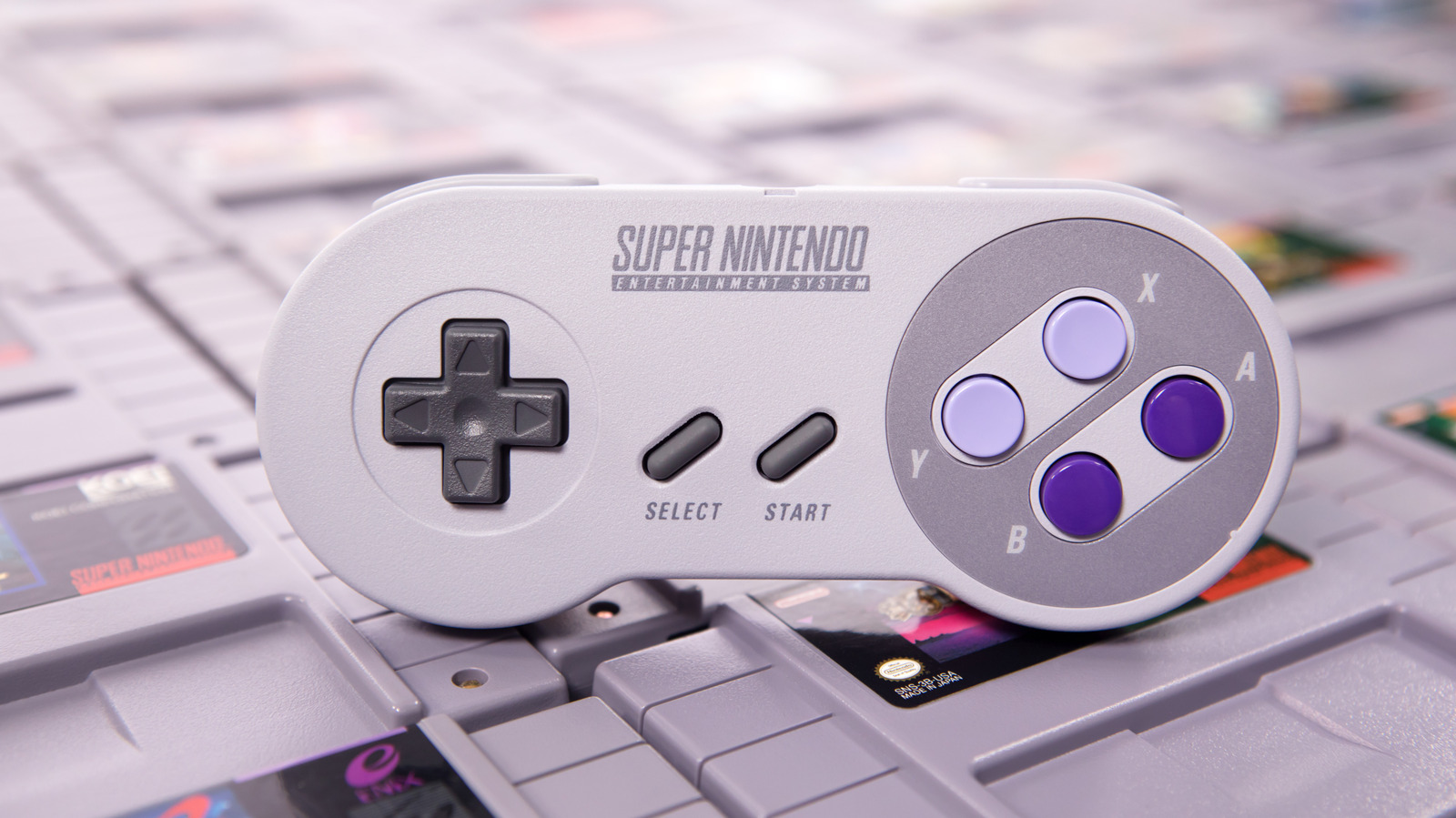
Interest in retro games has increased significantly, but there are limited physical copies available. While emulators like Super ZSNES exist, the allure of owning and displaying a genuine SNES cartridge is still appealing. The prices of SNES games in 2026 have been quite surprising. The SNES was released in Japan in late 1990 and in the United States in 1991, selling over 49 million units globally.
Although this number is less impressive compared to other Nintendo consoles like the Wii or NES, the SNES's popularity remains strong. As production of SNES cartridges ceased long ago, there is a finite supply of them in circulation today. Many of the 379 million software units sold during the console's lifespan ended up broken, misplaced, or lost over time.
This scarcity, combined with rising demand, has led to high prices for SNES games. Some games, like Super Mario World, sell for around $17 on eBay, while others, such as Earthbound, can cost nearly $400 due to their rarity and cult status. The prices of SNES games have notably increased over the years, with Zelda: A Link to the Past costing about $17 in 2010 and now averaging around $45.
Factors contributing to the rise in retro gaming prices include nostalgia, technological advancements in gaming, and growing interest among new audiences. The rise of platforms like YouTube and Nintendo Switch Online's library of classic games has also contributed to the renewed fascination with retro gaming. However, despite the availability of alternatives like remakes and emulators, some players prefer to own the original copies, even if it means paying a higher price.
Written by urgent.news from Engadget's reporting — not their text. Machine-written — may contain errors; check the original before relying on it.